
Disclosure: This page contains commercial links. BizBot may earn a commission from qualifying purchases. Paid placements do not buy a better ranking. Read our affiliate disclosure.
As an entrepreneur, understanding and utilizing key legal tools is crucial for protecting your business interests, ensuring compliance, and avoiding costly disputes. Here are the five essential business law tools you should know:
- Business Contracts: Legally binding agreements that outline the terms of a business deal, including payment terms, delivery schedules, warranties, and termination clauses. Contracts provide security, stability, and ensure compliance with regulations.
- Non-Disclosure Agreements (NDAs): Legal contracts that protect confidential information, such as trade secrets, intellectual property, financial information, and business strategies. NDAs are legally binding and help businesses comply with data protection laws.
- Employment Agreements: Clearly define job roles, responsibilities, and company structure, leading to better accountability, productivity, and protection of business interests through confidentiality, non-compete, and non-solicitation clauses.
- Intellectual Property (IP) Assignment Agreements: Ensure your company owns the intellectual property created by employees, contractors, or founders, avoiding ownership disputes and issues with investors.
- Articles of Incorporation/Operating Agreement: Define the structure, ownership, rules, and regulations for a corporation or LLC, establishing internal governance, management structure, and compliance with state laws.
By understanding and implementing these essential legal tools, entrepreneurs can build a strong legal foundation, protect their business interests, ensure compliance, and set themselves up for long-term success.
Related video from YouTube
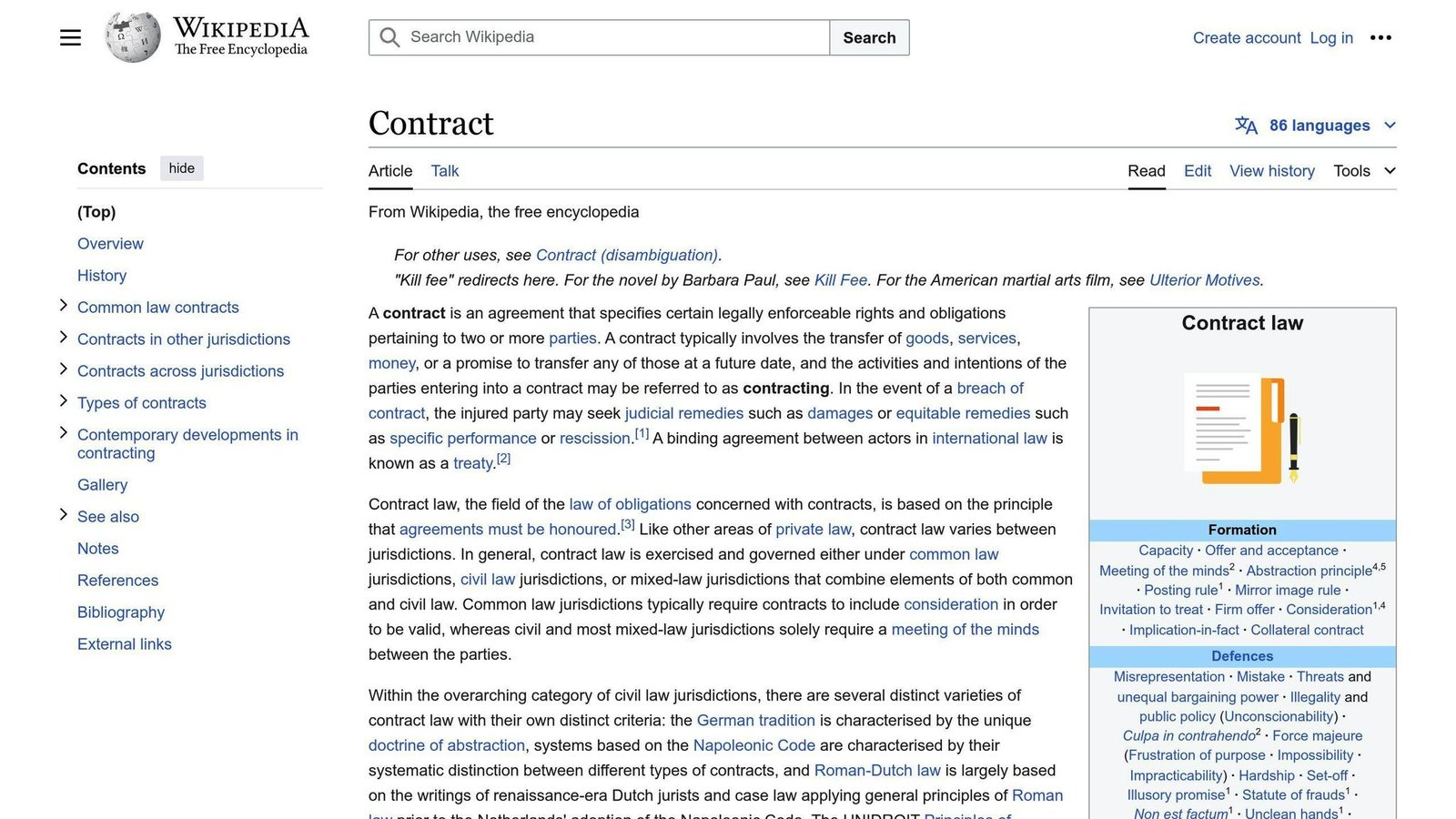
Business Contracts: The Backbone of Business Agreements
Business contracts are key to any business deal. They create a legal agreement between two or more parties, setting out the terms of their relationship. A clear contract helps everyone understand their rights and duties, reducing the chance of disputes.
Customization
Contracts can be tailored to each business deal. They can cover:
- Payment terms
- Delivery schedules
- Warranties
- Termination clauses
This ensures the agreement fits the specific needs of the business.
Legal Binding
Contracts are legally binding. If one party doesn’t meet their obligations, the other can take legal action. This provides security and stability, allowing businesses to operate confidently.
Compliance
Contracts can help businesses follow laws and regulations. By including specific legal requirements, businesses can ensure they meet their obligations and avoid legal issues.
2. Non-Disclosure Agreements (NDAs)
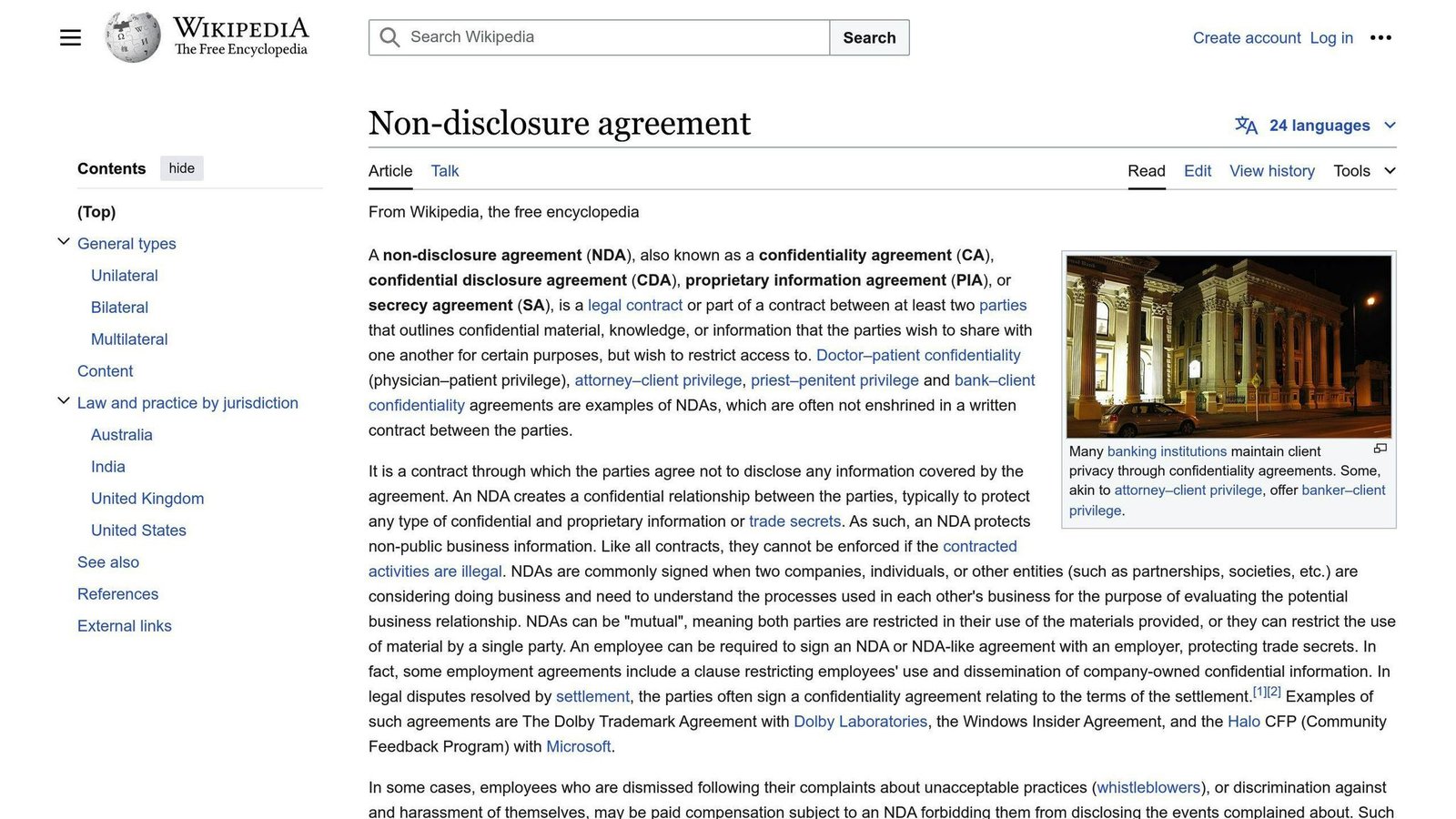
Protecting Confidential Information
Non-disclosure agreements (NDAs) help businesses keep their confidential information safe. An NDA is a legal contract between parties that outlines what information is shared and how it must be kept secret.
Customization
NDAs can be customized to cover specific information, such as:
- Trade secrets
- Intellectual property
- Financial information
- Business strategies
This ensures the agreement fits the business’s needs and protects the shared information.
Legal Binding
NDAs are legally binding. If one party breaks the agreement, the other can take legal action to protect their information. This provides security and stability.
Compliance
NDAs help businesses follow laws and regulations, like data protection laws, by outlining how to handle confidential information.
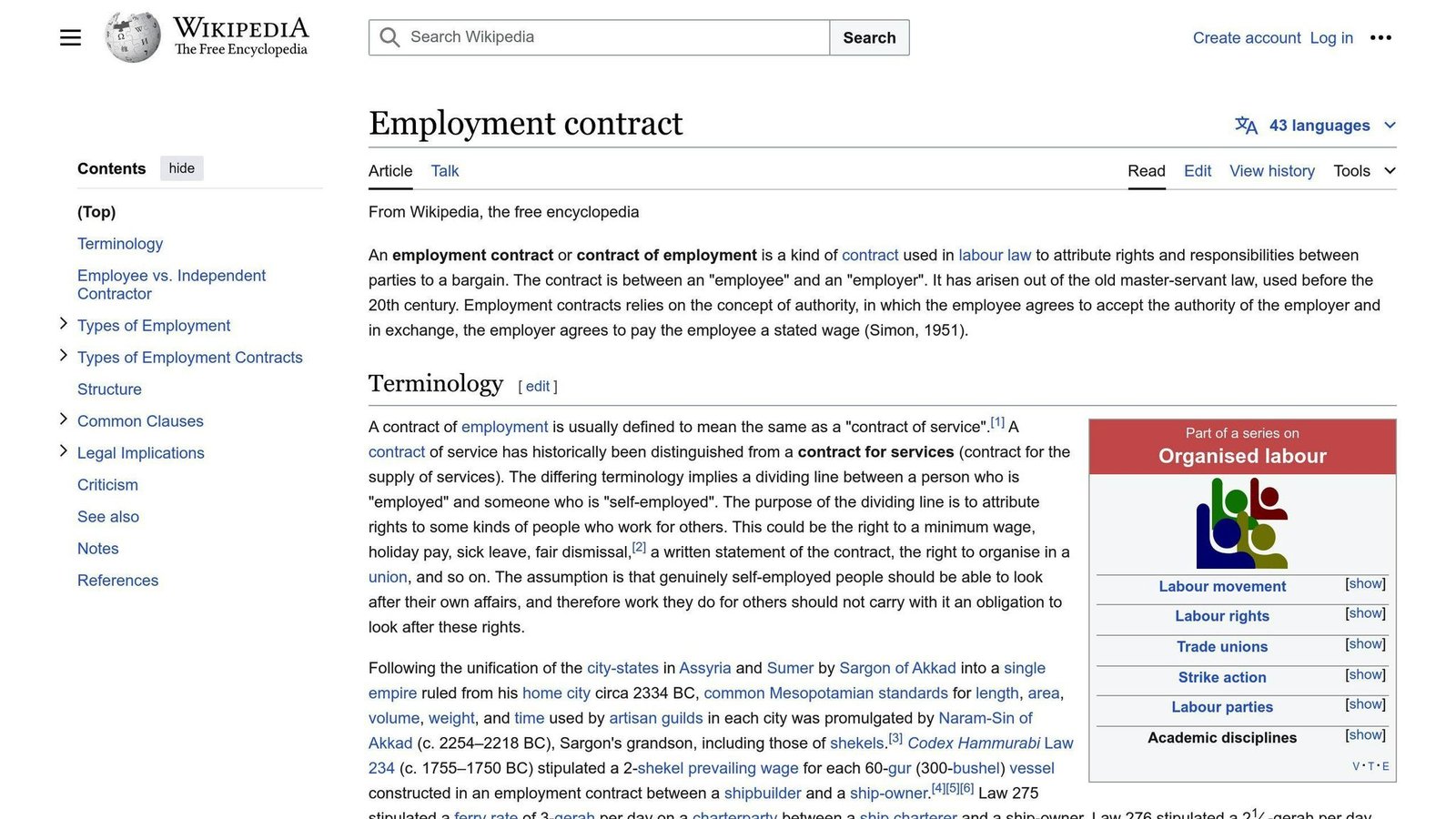
Attracting Top Talents
Employment agreements can help bring top talents to your business. By clearly stating benefits and job security, these contracts can make your company more appealing in a competitive job market.
Better Accountability and Productivity
An employment contract outlines job roles, responsibilities, and company structure. This clarity helps employees perform better, stay focused, and be more accountable. Clear expectations lead to higher productivity and motivation.
Protecting Business Interests
Employment agreements can include clauses to protect your business, such as:
- Confidentiality Clauses: Prevents employees from sharing sensitive information.
- Non-Compete Clauses: Stops employees from working for competitors.
- Non-Solicitation Clauses: Prevents employees from taking other staff with them if they leave.
Quick Review of Rights and Obligations
In case of a dispute, an employment agreement provides a clear review of the rights and duties of both parties. This helps resolve issues faster and may avoid the need for court action.
4. Intellectual Property (IP) Assignment Agreements
Ownership
IP Assignment Agreements ensure that your company owns the intellectual property created by employees, contractors, or founders. Without these agreements, your company might face ownership disputes and issues with investors.
Legal Binding
An IP assignment agreement is a legal contract that transfers ownership of intellectual property from one party to another. It should clearly outline:
- The type of IP being assigned
- The terms of the transfer
- Any warranties or representations made by the assignor
Customization
These agreements should be tailored to your company’s needs. For example, if your company develops software, the agreement should cover:
- Ownership of the code
- Trade secrets
- Other relevant IP
The agreement should also specify the rights and duties of both parties, including the assignor’s warranties and representations.
Articles of Incorporation and Operating Agreements define the structure and ownership of a company. These documents set the rules and regulations for a corporation or LLC, making sure everyone knows their roles, responsibilities, and rights.
Customization
These documents can be tailored to fit a business’s needs. For example:
- Operating Agreement (LLC): Covers ownership interests, management structure, and financial arrangements.
- Articles of Incorporation (Corporation): Specifies the company’s purpose, structure, and initial board of directors.
Legal Binding
Both documents are legally binding and provide a framework for resolving disputes and ensuring compliance with state laws. They act as a contract between the company and its owners, outlining everyone’s rights and duties.
Compliance
Filing Articles of Incorporation with the state is a key step in forming a corporation. Similarly, having an Operating Agreement is highly recommended for LLCs to establish internal governance and management structure. These documents help businesses comply with state laws and regulations.
Ownership
These documents also establish ownership of a company:
- Articles of Incorporation: Outline initial shareholders and their ownership interests.
- Operating Agreement: Specifies ownership interests of members and their rights and responsibilities.
Conclusion
Understanding and using these five business law tools—business contracts, non-disclosure agreements (NDAs), employment agreements, intellectual property (IP) assignment agreements, and articles of incorporation/operating agreements—is key for entrepreneurs to run and protect their businesses. By integrating these legal tools into their business plans, entrepreneurs can:
- Ensure Compliance: Follow state laws and regulations.
- Clarify Roles: Define clear roles and responsibilities.
- Protect IP: Safeguard intellectual property.
- Stay Competitive: Maintain an edge in the market.
Taking the time to learn and apply these legal tools helps entrepreneurs avoid costly legal disputes, protect their business interests, and focus on growth and innovation. A well-structured business relies on a strong legal foundation. By prioritizing these tools, entrepreneurs can set themselves up for long-term success.
None of this is urgent until it is. The cheapest time to write these documents down is before there is anything to argue about, which is also the time nobody feels like doing it.
More on this topic
Browse all 86 articles on Business Operations, or jump straight to our buying guide: Best Productivity Tools for Small Teams.