
Disclosure: This page contains commercial links. BizBot may earn a commission from qualifying purchases. Paid placements do not buy a better ranking. Read our affiliate disclosure.
Every start-up needs the right tools to run operations, connect with investors, and raise money. Here are five investor tools worth knowing about. Product names and vendor claims below were checked in August 2026; confirm anything price-sensitive with the vendor before you commit.
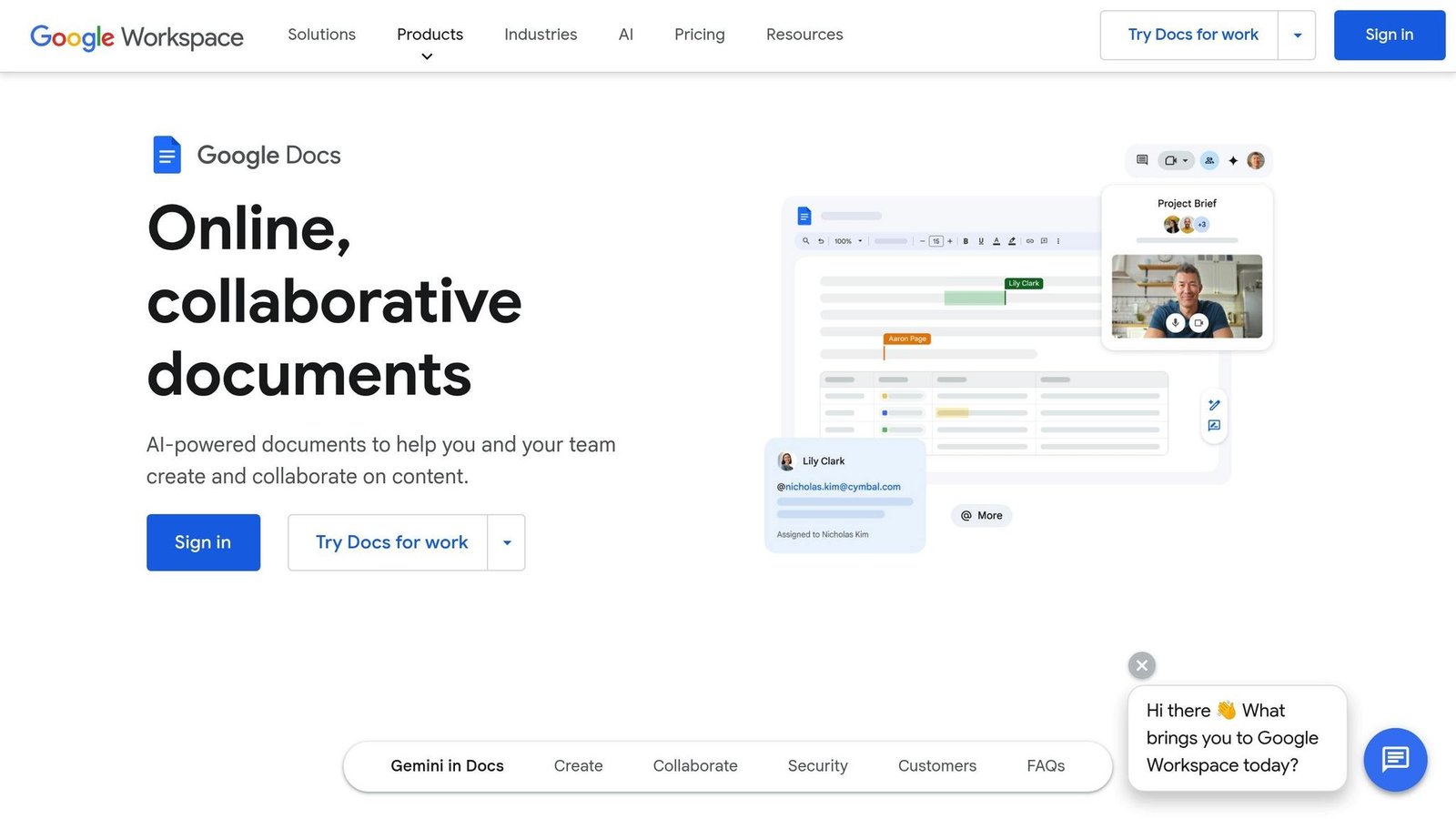
- Google Workspace: The productivity suite formerly sold as Google Apps. Gmail, Docs, Sheets, Slides, Meet and Chat for team collaboration and document management.
- Crunchbase: A database of company details, financials, team information and news, used for market research and building investor lists.
- Foundersuite: A cloud-based platform with an Investor CRM, a database Foundersuite states holds 216,000 investors, a data room, pitch deck hosting, investor updates and bulk email tools.
- DocuSign: An electronic signature solution with audit trails, cloud storage integration and compliance certifications.
- AngelList: Now a fund administration and private markets platform. It is no longer the startup profile and jobs site many founders remember.
Used together, these cover the four jobs a raising founder actually has: run the company, research investors, share material securely, and sign what comes back.
1. Google Workspace (formerly Google Apps)
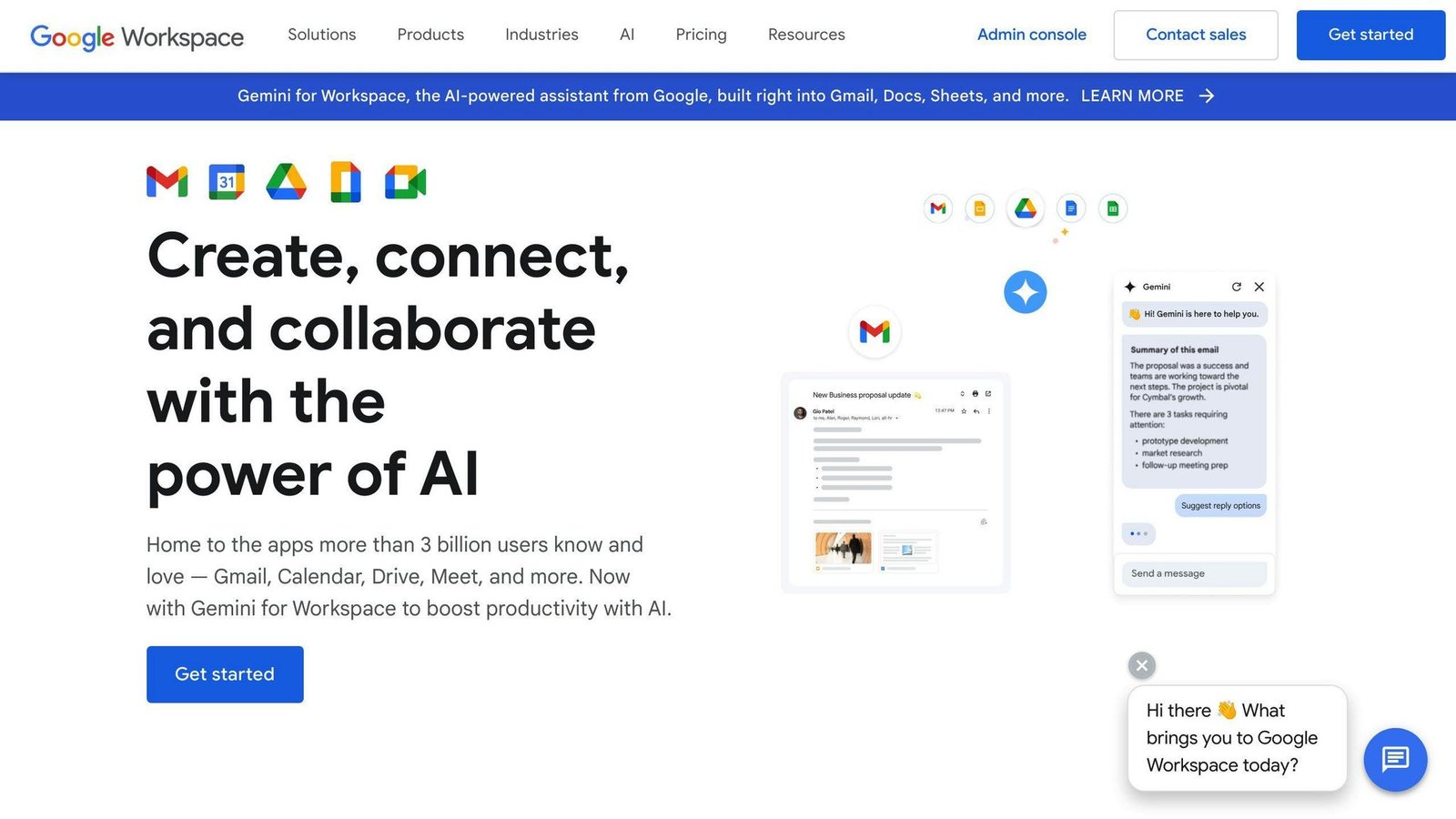
If you are working from an older shortlist, note the name change. Google Apps became G Suite, and G Suite became Google Workspace. Anyone still selling you “Google Apps” is quoting a brand Google retired.
What is in it
- Gmail: Email on your own domain.
- Google Docs: Create and share documents.
- Google Sheets: Spreadsheets, including the cap table you will outgrow.
- Google Slides: Presentations, including the pitch deck.
- Google Meet: Video calls with investors and team members.
- Google Chat: Team messaging.
Google Hangouts is gone. Google retired it on 1 November 2022 and moved users to Google Chat, with Google Meet handling video. Older guides still list Hangouts as a current Workspace app. It is not.
Security and access
Workspace includes two-step verification, admin controls over device and file access, and audit logging on the business tiers. Google publishes its compliance certifications; the specific controls you get vary by tier, so check the tier before assuming a control is included.
Pricing
Workspace is sold per user per month, with separate monthly and annual commitment rates and a lower price if you pay for a year up front. Google changes these rates and occasionally the tier names, so read the current pricing page rather than a figure republished in an article.
2. Crunchbase
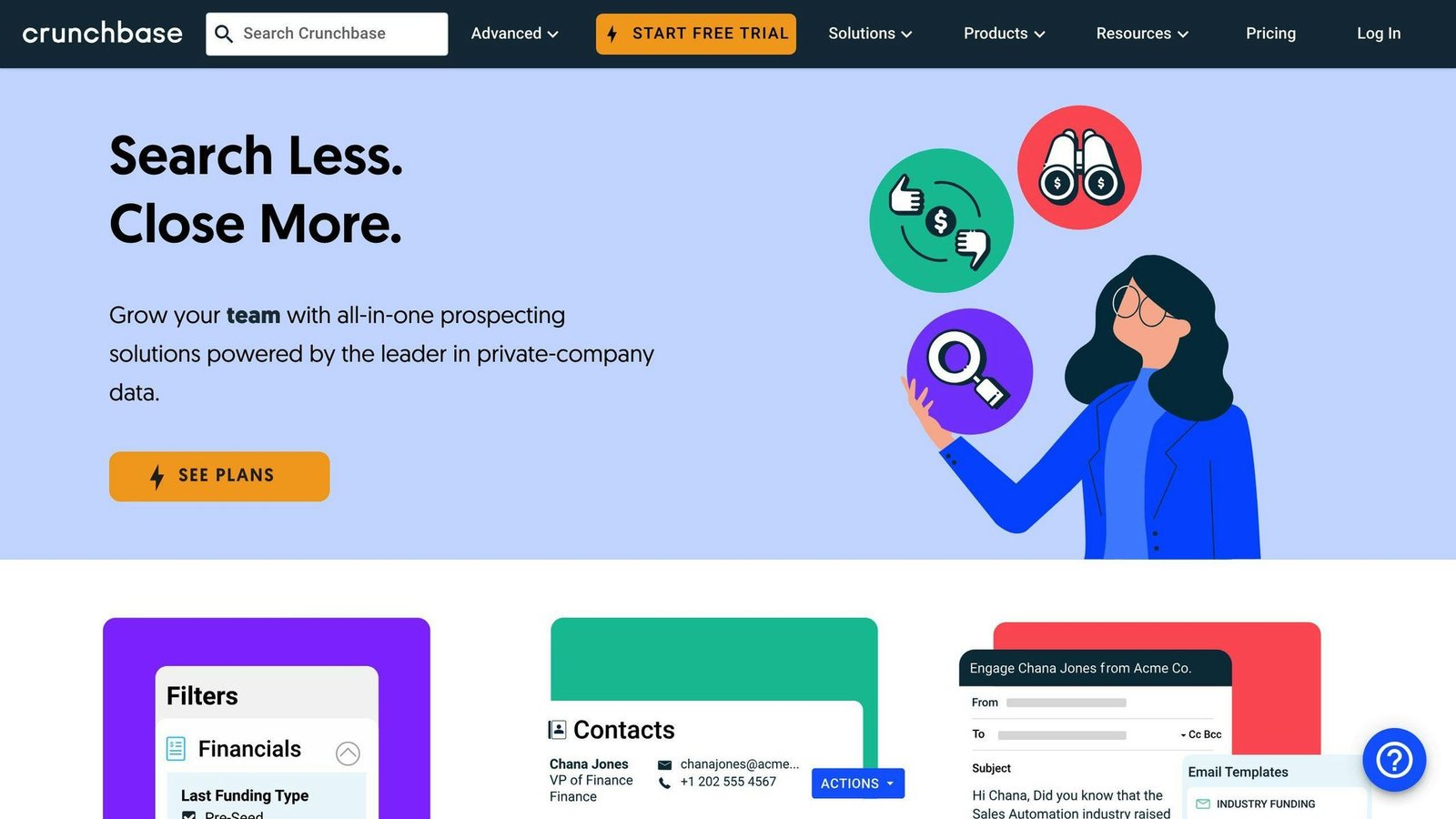
Crunchbase is a database of startup companies and their investors. It is useful for building a target list and for checking who has already backed companies like yours.
Data and insights
Crunchbase records include:
- Company details
- Funding history
- Founding team members
- Products and services
- Recent news
What it is good for
- Market research
- Building an investor target list
- Sales prospecting
One caution. Crunchbase is partly crowd-maintained and partly vendor-supplied, so coverage is uneven. Treat a funding round with no press link as unconfirmed, and check anything you plan to repeat in a pitch. An earlier version of this article claimed a specific number of investment firms updating their profiles monthly. Crunchbase does not publish that figure, so it has been removed.
Networking and fundraising
Users can add or edit company and investor profiles. That helps you:
- Find investors active in your industry
- Reach people already backing similar ventures
- Filter by the funding stage you are actually raising
Pricing
Crunchbase sells a free tier and paid seats billed per user, with annual and monthly options and enterprise pricing quoted on request. Rates change; check the vendor’s pricing page.
3. Foundersuite
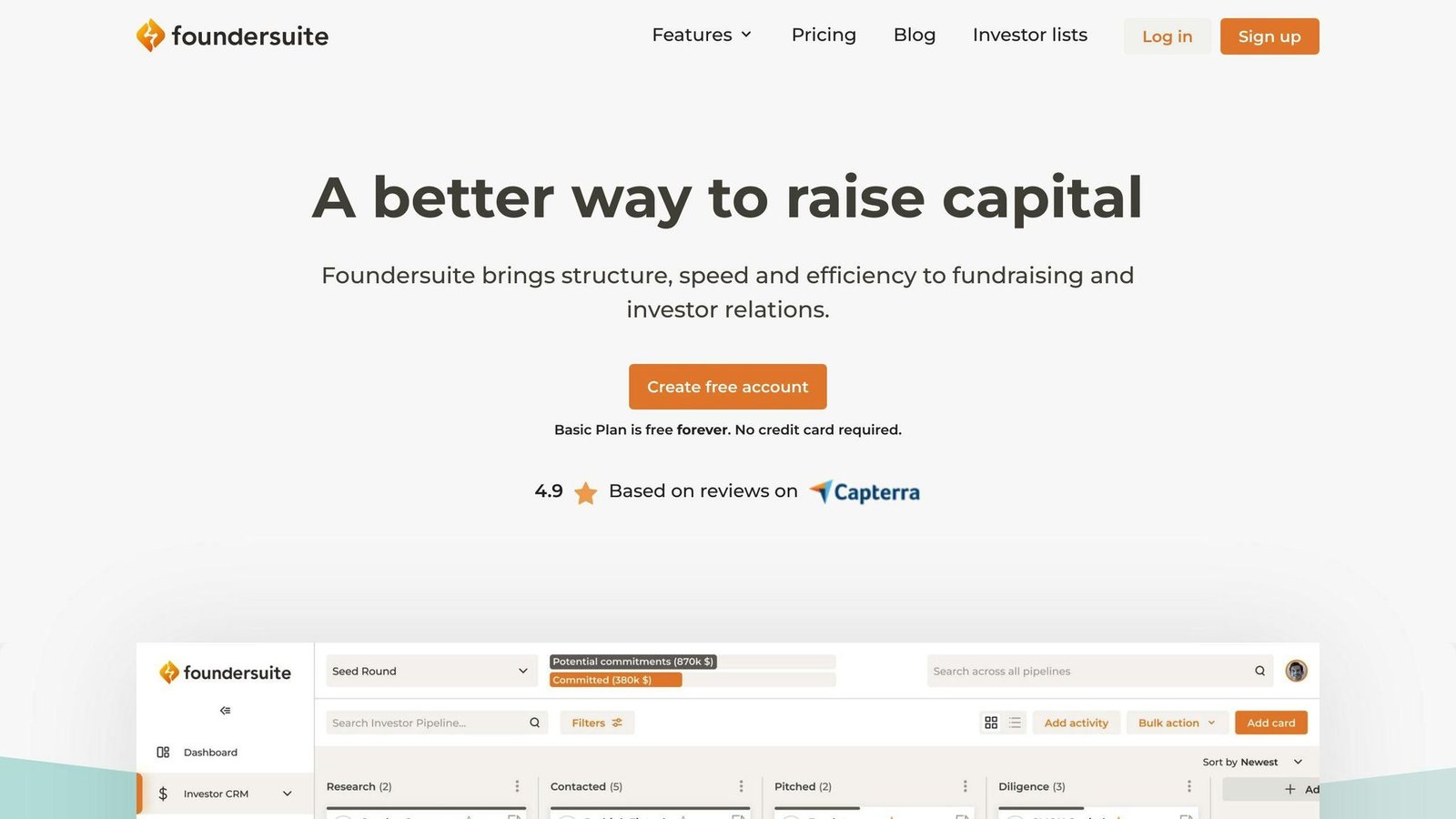
Foundersuite is a cloud-based tool for running a fundraise as a pipeline rather than a pile of email threads. It publishes a running total of capital its users have raised; that number is self-reported and not independently audited, so an older figure quoted in this article has been removed rather than updated.
Investor management
The Investor CRM tracks conversations, stages and follow-ups. Foundersuite’s own site states the database holds 216,000 investors, including VC firms, angels, family offices and funds of funds. That is the vendor’s figure, checked in August 2026.
Data and insights
The database can be searched and filtered by location, industry and investment stage, which is the fastest way to cut a list of thousands down to a list you can actually work.
Security and compliance
The Data Room provides a controlled space for sharing confidential documents during due diligence, so material goes to named parties rather than into an email chain you cannot recall.
Networking and fundraising
| Feature | Description |
|---|---|
| Pitch Deck Hosting | Upload and share pitch decks online with view tracking. |
| Investor Updates | Build and send periodic investor newsletters. |
| Bulk Email | Send personalised emails to multiple investors at once, with tracking. |
Pricing
Foundersuite advertises a free Basic plan and paid plans above it. Paid rates and what sits in each tier change, so read the pricing page before budgeting.
4. DocuSign
What it does
DocuSign handles the signing end of a raise. You can:
- Upload and send documents for signature
- Track document status
- Store executed documents online
That removes printing, scanning and faxing from the loop.
Security and compliance
DocuSign’s eSignature product produces a certificate of completion and an audit trail for each envelope, and the company publishes its compliance certifications. Whether an electronic signature is binding for a particular document is a question of local law, not of the software, so check that separately for anything unusual.
Fit for start-ups
It integrates with Google Drive, Dropbox and OneDrive, which matters if your documents already live in one of those. For a small team signing a handful of documents a year, the free tier of a competitor or the signature feature built into your existing suite may be enough. Do not buy a seat per person until you know who actually sends envelopes.
Pricing
DocuSign is sold per user per month with an envelope allowance per plan, and the annual rate is lower than the monthly one. Overage rules on envelopes are the part people miss. Check the current plan comparison before you sign up.
5. AngelList
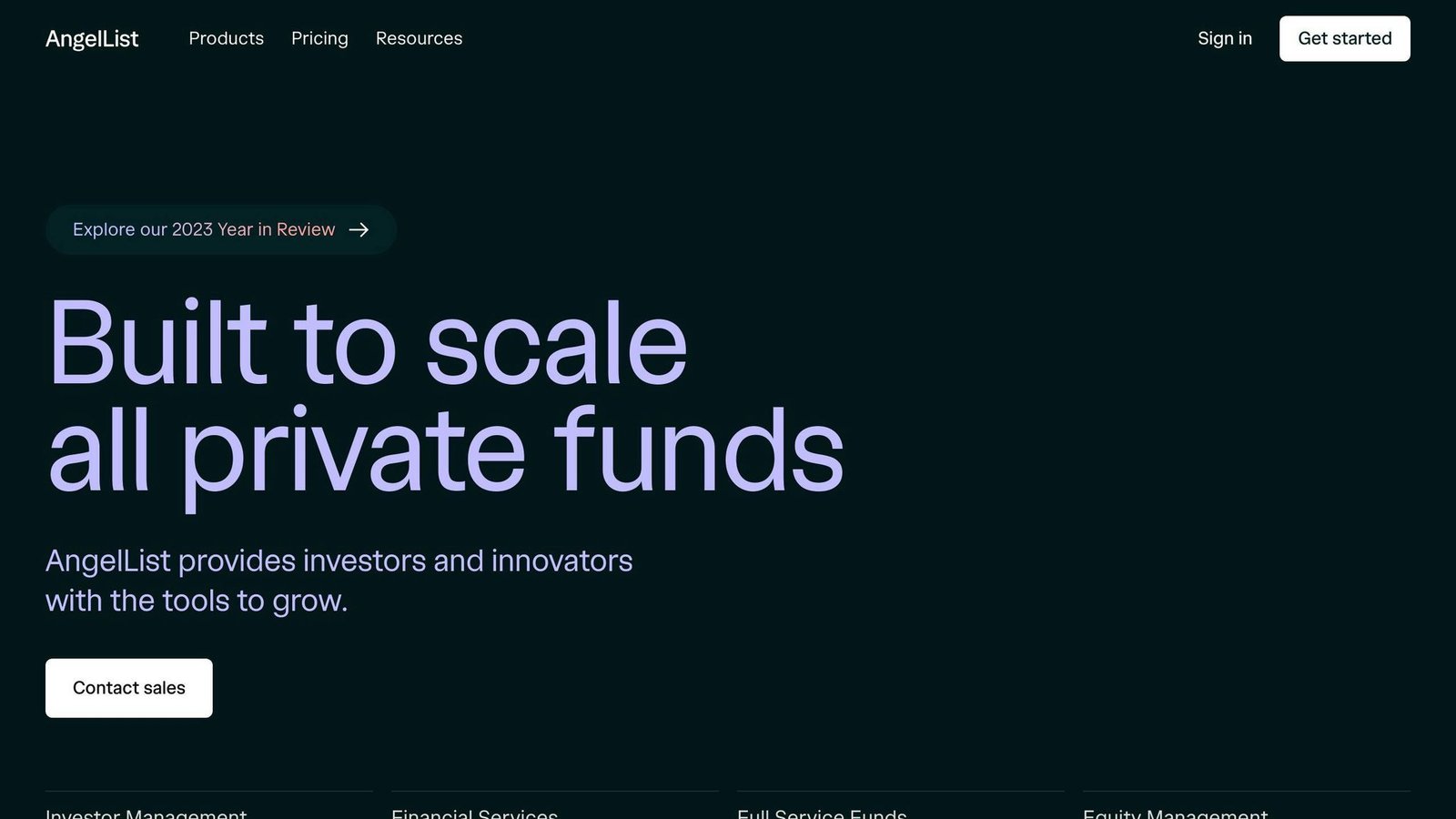
Read this section before you act on an old shortlist. AngelList is not what it was. It now describes itself as the financial system for private markets, and its products are aimed at funds and syndicates: fund administration, SPVs, investor onboarding and reporting, cap table and equity tooling for the companies those funds back.
The jobs board has left
The startup profile and hiring side of the old AngelList was spun out and now trades as Wellfound, at wellfound.com. AngelList’s own site states that Wellfound is no longer part of its portfolio. If what you wanted was to post a job to a startup audience, Wellfound is the successor product, not AngelList.
What AngelList is useful for now
- Raising through a syndicate: Syndicate leads run SPVs on AngelList, so if an angel offers to bring others in, this is often the rail the money travels on.
- Fund and SPV administration: If you are starting a small fund rather than a company, this is the part of the product that matters.
- Cap table and equity administration: Aimed at companies already inside that ecosystem.
An earlier version of this article credited AngelList with specific counts of angel investors and startup profiles, and described a jobs board it no longer runs. Those claims were unsourced and are now inaccurate, so they have been removed rather than restated with new numbers.
Pricing
AngelList’s fund and SPV products are priced per vehicle with setup and annual administration fees, and syndicate deals typically carry carry to the lead. None of that is a flat published rate you can budget from an article. Get a quote.
Summary
What actually changed
Two of the five entries in the original version of this article named products that had moved on. Google Apps is Google Workspace, and Hangouts is retired. AngelList has become a fund administration business and no longer runs the startup jobs board founders associate with the name. Both of those are the kind of thing that quietly wastes a week if you are working from an old list, which is the whole reason to check growth and funding tooling before you adopt it.
| Tool | What it is for |
|---|---|
| Google Workspace | Email, documents and meetings. Formerly Google Apps, then G Suite. |
| Crunchbase | Company and funding data for building an investor target list. |
| Foundersuite | Investor CRM, data room and outreach for running a raise. |
| DocuSign | Electronic signature with an audit trail. |
| AngelList | Fund and SPV administration. Jobs and startup profiles moved to Wellfound. |
More on this topic
Browse all 53 articles on Finance & Accounting, or jump straight to our buying guide: Best Accounting Software for Small Businesses.