
Disclosure: This page contains commercial links. BizBot may earn a commission from qualifying purchases. Paid placements do not buy a better ranking. Read our affiliate disclosure.
Looking to fund your next big idea or cause? Here’s a quick rundown of the 7 best crowdfunding platforms:
- Kickstarter: Best for creative projects
- Indiegogo: Flexible funding for various campaigns
- GoFundMe: Ideal for personal causes and donations
- SeedInvest (now part of StartEngine): Equity crowdfunding for startups – StartEngine acquired SeedInvest in 2023 and the SeedInvest platform no longer operates on its own
- Fundrise: Real estate investing for the masses
- LendingClub: Peer-to-peer lending platform
- Kiva: Microloans for small businesses worldwide
Quick Comparison
| Platform | Type | Min. Investment | Best For |
|---|---|---|---|
| Kickstarter | Reward | $1 | Creative projects |
| Indiegogo | Reward/Equity | $1 | Flexible campaigns |
| GoFundMe | Donation | No minimum | Personal causes |
| SeedInvest (now StartEngine) | Equity | See StartEngine | Startup investments |
| Fundrise | Real Estate | $10 | Real estate investing |
| LendingClub | Debt | $1,000 (borrowing) | Personal loans |
| Kiva | Microloans | $25 (lending) | Small business loans |
Each platform has its own strengths. Kickstarter and Indiegogo are great for product launches, while GoFundMe shines for personal fundraising. If you’re into investing, check out SeedInvest for startups or Fundrise for real estate. Need a loan? LendingClub offers peer-to-peer lending, and Kiva provides microloans for small businesses.
Choose based on your project type, funding needs, and target audience. Consider fees, payout times, and platform features before diving in.
Kickstarter: Project-Based Crowdfunding
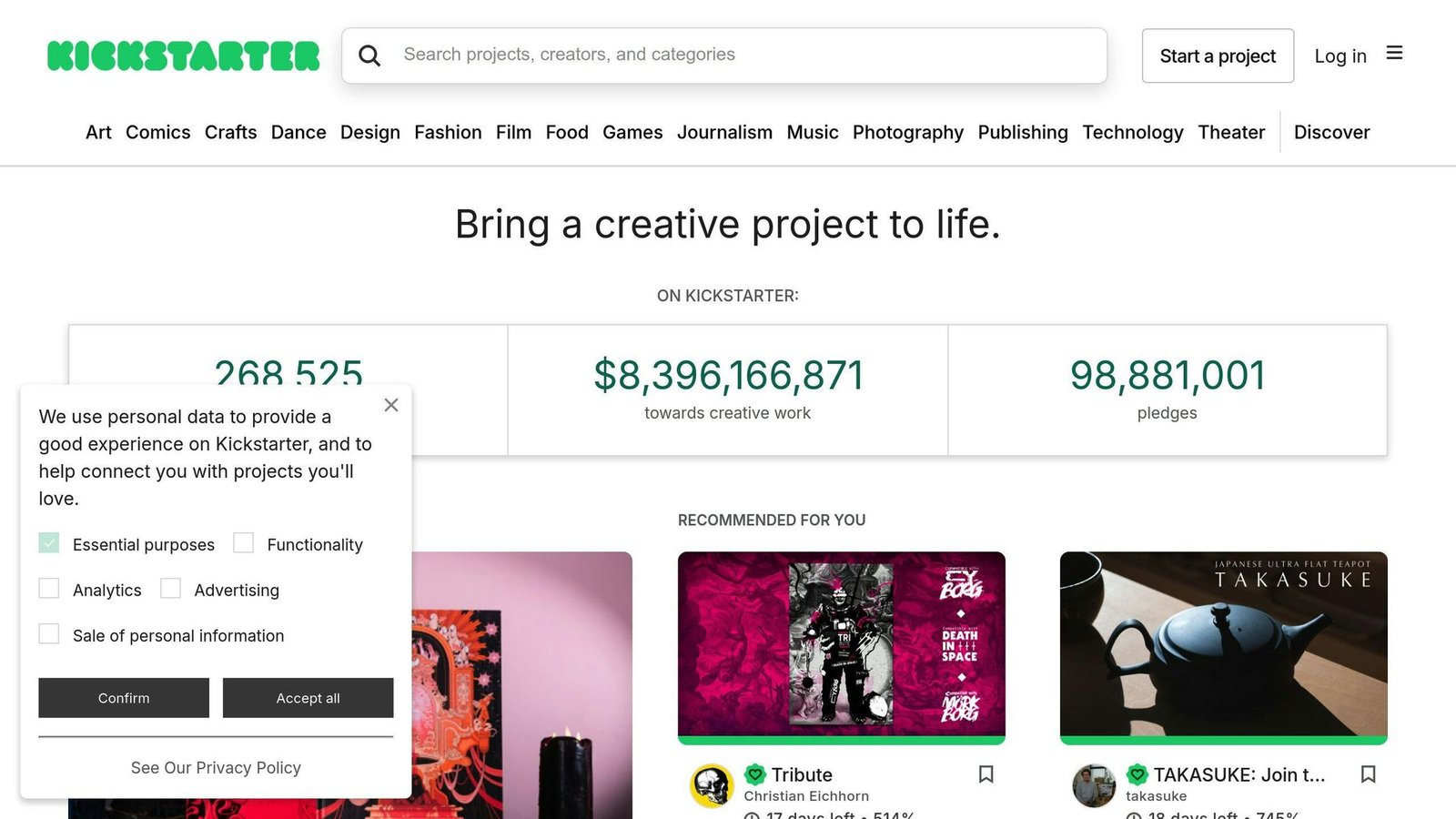
Kickstarter has been the go-to name in crowdfunding since 2009. It’s all about creative projects and rewards-based funding. Here’s the lowdown:
How It Works:
Creators set a goal and deadline. Backers pledge cash for rewards. If the goal’s hit, it’s funded. If not, no one pays.
By the Numbers:
- Kickstarter publishes live totals for money pledged, success rate and funded projects on its stats page
- Games are consistently the largest category by money pledged, ahead of design and technology
Specific figures previously listed here were not sourced and change constantly; check Kickstarter’s own stats page for current numbers.
Costs:
Kickstarter takes 5% of what you raise if you hit your goal, plus payment processing of 3% + $0.30 per pledge. Pledges under $10 get a discounted micropledge rate of 5% + $0.08. The “3-5% processing” and “5% + $0.05” figures previously published here do not match Kickstarter’s own fees page. All in, expect 8-10% depending on how small your average pledge is – which is why a campaign built on $5 backers keeps less than one built on $50 backers.
What Works:
- Aim low: $10,000 targets do better
- 30-day campaigns hit the sweet spot
- Launch in February, March, April, October, or November
Remember “Exploding Kittens”? That card game blew up, raising $8.7 million in under a month. They hit their $10,000 goal in just 8 minutes!
Creator Tips:
- Set realistic goals
- Build buzz early (6 months ahead is ideal)
- Make your campaign page pop
- Offer cool rewards
- Tap your network for early support
Suann Song, who founded Appointed, says:
“Kickstarter didn’t just help me raise cash. It gave me credibility and momentum – that was priceless.”
Who It’s For:
Kickstarter shines for B2C projects, especially in creative fields. It’s not your best bet for B2B or government-focused ventures.
2. Indiegogo: Flexible Funding Options
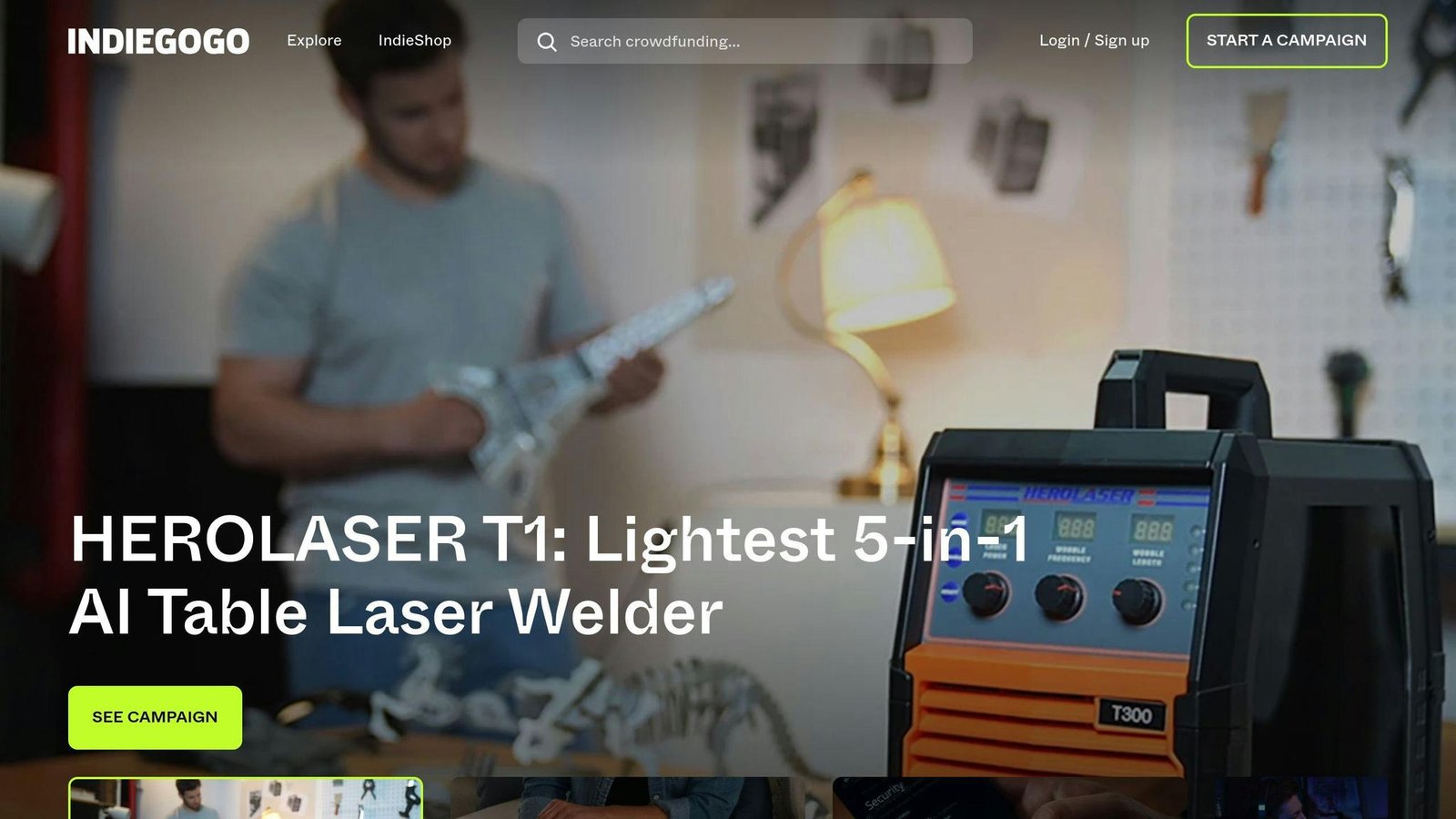
Indiegogo shakes things up in the crowdfunding world. Here’s why:
Funding Flexibility
Indiegogo’s big draw? You’ve got options:
1. Fixed Funding: Hit your goal, or get nothing.
2. Flexible Funding: Keep what you raise, even if you miss the mark.
That flexibility matters. Just look at “Super Troopers 2” – they raked in $4.6 million on Indiegogo.
Global Reach and Diverse Projects
Indiegogo goes big:
- 223 countries and territories
- 25 currencies via PayPal
- 28 project categories
The numbers speak for themselves:
- Nearly 800,000 funded projects
- Over $1 billion raised
- 9 million backers
Costs and Considerations
Here’s the fee breakdown:
Indiegogo charges a platform fee plus payment processing on every contribution, and the flexible-funding option costs more than fixed funding when you miss your goal. We are not quoting percentages here: Indiegogo’s fee documentation now sits behind a login, so we could not verify the figures this article previously published. Get them in writing from Indiegogo before you launch, and ask specifically what changes if you fall short of your target.
Success Stories and Strategies
Most Indiegogo campaigns do not reach their goal – a success rate previously given here as about 9% was unsourced and has been removed. When campaigns do work, they can be large:
- NOMATIC travel bag: $3 million raised
- HyperDrive Thunderbolt 3 USB-C Hub: Over $1 million
“Indiegogo let us fast-forward our five-year business plan”, says Jon Roketenetz, CEO of BullRest, after raising $381,000 for their travel pillow.
Tips for Indiegogo Success
- Use InDemand to keep raising funds after your campaign
- Update backers monthly
- Set realistic goals
- Use Indiegogo’s Education Center and Experts Directory
Indiegogo’s flexibility and global reach make it a solid choice for creators who want options and a diverse backer base. But remember: with flexibility comes responsibility. Plan smart, communicate clearly, and deliver on your promises.
3. GoFundMe: Personal Fundraising
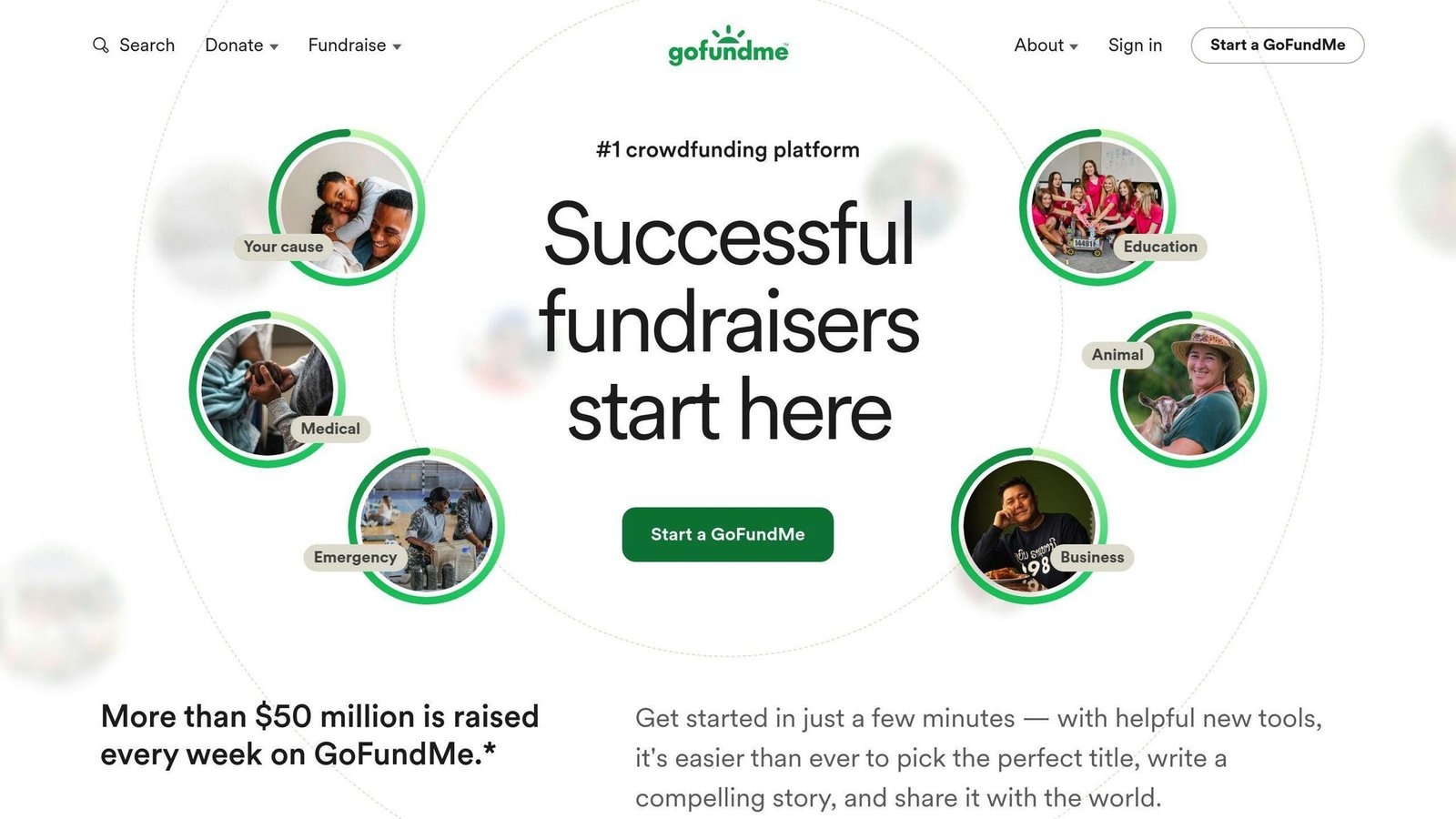
Since 2010, GoFundMe has been the go-to platform for personal fundraising. With over $30 billion raised, it’s where people turn when they need financial help for emergencies, medical bills, or charitable causes.
What’s Cool About GoFundMe?
- Works in 19 countries, including the US, Canada, and parts of Europe
- No platform fee for personal fundraisers in the US and Canada
- Takes 2.9% + $0.30 per donation for processing
- You keep what you raise, even if you don’t hit your goal
How Much Does It Cost?
| What | How Much |
|---|---|
| Platform Fee | 0% |
| Processing Fee | 2.9% + $0.30 per donation |
| Tip (Your Choice) | 12-15% (donors can change this) |
So, if someone donates $100, you’d get $96.80 if they don’t add a tip.
Tips to Raise More:
- Tell a story that grabs people (shoot for at least 550 characters)
- Use great, personal photos
- Set goals you can reach (GoFundMe will help you figure this out)
- Share on social media like crazy
- Keep people updated (this can triple what you raise!)
Rob Solomon, who used to run GoFundMe, said:
“As we’ve rolled this new model out in the US, we’ve had a huge amount of positive feedback from our community. It’s a win-win move, and we think people in the UK will recognize the outstanding service we provide – and now we’re offering that service for free.”
Is It Safe?
You bet. GoFundMe has a Giving Guarantee and fraud protection. They’ve got people watching out for scams all the time. That’s better than Facebook, which doesn’t offer the same protection for fundraisers.
Who Should Use It?
GoFundMe is perfect if you’re:
- Dealing with a personal crisis
- Facing big medical bills
- Supporting a cause you care about
It’s easy to use and reaches tons of people, so it’s great if you’re new to this or want to connect with lots of potential donors.
4. SeedInvest, now StartEngine: Startup Investment Platform
Read this section as history. StartEngine acquired SeedInvest and completed the deal in May 2023. SeedInvest no longer runs as a separate platform, and seedinvest.com now points to StartEngine. If SeedInvest is on your shortlist, the platform to evaluate is StartEngine, and its fees and minimums are its own – do not assume any of the figures below carried over.
What SeedInvest did, and what StartEngine now does in its place, was let ordinary investors buy into startup rounds under Regulation CF and Regulation A+. The investor economics of that model have not changed: minimums are low, the money is illiquid, and you should expect to wait years for any outcome, most often none.
Investor fees and the acceptance rate previously quoted here – a 2% fee capped at $300, and a claim that only 1% of applicants were accepted – applied to a platform that no longer exists, so they have been removed.
Who Can Invest?
Anyone. You don’t need to be a millionaire. SeedInvest offers:
- Regulation CF: For everyone
- Regulation A+: Bigger raises, still open to all
They focus on tech and consumer businesses, with companies raising $100,000 to $50 million.
For founders: the fee structure previously listed here – 7.5% of the raise, 5% warrant coverage and up to $4,000 of costs – belonged to SeedInvest and has been removed along with a fundraising quote attributed to its CEO. Ask StartEngine for its current schedule. What is worth knowing structurally is that equity crowdfunding costs a percentage of the raise plus legal and filing costs, and that those fixed costs hurt small raises disproportionately.
Tips for Investors:
- Spread your bets with Auto Invest
- Be ready to wait (startups take time to grow)
- Do your own research (even though SeedInvest vets companies)
5. Fundrise: Real Estate Investment Platform
Fundrise makes real estate investing accessible to everyday people. Since 2012, they’ve helped over 393,000 investors put money into more than $7 billion worth of property. Here’s what you need to know:
Start Small, Think Big
You can jump in with just $10 for a standard account. That’s cheaper than most lunches! But for an IRA, you’ll need $1,000 to start.
Fees That Make Sense
| Fee Type | Amount |
|---|---|
| Annual Advisory Fee | 0.15% |
| Real Estate Funds Fee | 0.85% |
| Innovation Fund Fee | 1.85% |
| Fundrise Pro Membership | Optional add-on; check current price with Fundrise |
The 0.15% advisory fee is confirmed on Fundrise’s own pricing page, which also states there is no promote or carried interest. The fund-level management fees shown above and the Fundrise Pro price we could not confirm there in August 2026, so treat them as indicative and check before investing.
Plans for Every Investor
Whether you want growth, income, or a mix of both, Fundrise has options. They’ve tailored their offerings to fit different investor goals.
Numbers That Count
An average annual income return of 4.81% was previously quoted here with no period attached and no source. It has been removed. Fundrise publishes historical returns by year on its own site; read them alongside the five-year lock-up below, because the return means little if you cannot get out.
What You Should Know
- Investments aren’t FDIC insured
- Expect a five-year lock-up period for eREIT or eFund shares
- Early redemptions might cost you
- Quarterly redemptions aren’t guaranteed
Ben Miller, Fundrise’s CEO, says:
“We’re democratizing access to high-quality real estate investments that were previously only available to large institutions and the ultra-wealthy.”
Is Fundrise For You?
It might be if you:
- Have a long-term investment outlook
- Want to get into private real estate markets
- Can handle less liquidity than public markets offer
Fundrise outperformed public REITs in five out of seven years from 2017 to Q3 2023. That’s impressive, but remember: past performance doesn’t guarantee future results.
Quick Tip: the standard account minimum is $10, so you can test the platform with very little money. A “Starter Portfolio at $500” was previously suggested here; that product name is not on the current site. Check the terms of any satisfaction guarantee before relying on it.
Fundrise is shaking up real estate investing. It’s not risk-free, but if you want to diversify into real estate without a huge bank account, it’s worth a look.
6. LendingClub: Peer-to-Peer Lending
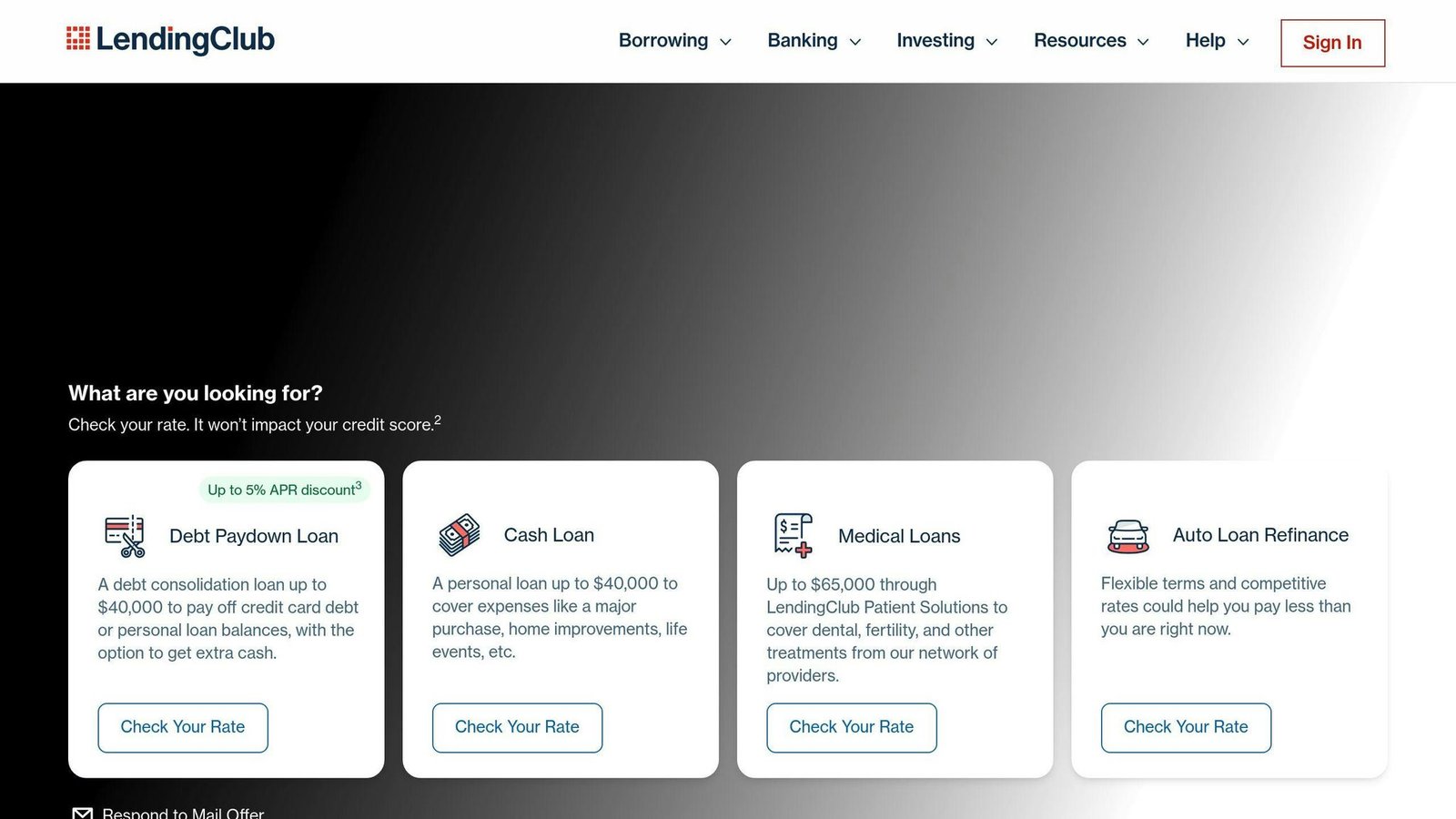
LendingClub has been shaking up the lending world since 2007. They’ve dished out over $60 billion in loans to more than 3 million members. How? By connecting borrowers and investors online.
Here’s the scoop on LendingClub:
Loan Basics:
- Borrow $1,000 to $40,000
- Pay it back in 2 to 5 years
- APRs from 8.98% to 35.99%
- Origination fee: 3% to 8% of your loan
These loans are perfect for crushing credit card debt, consolidating bills, or handling those “uh-oh” moments. But don’t try to use them for school or playing the stock market.
Who Gets the Green Light? You need to be:
- A U.S. citizen, permanent resident, or long-term visa holder
- At least 18 years old
- The proud owner of a bank account
- Someone with 3+ years of credit history
LendingClub likes to see credit scores over 600, but their typical borrowers are rocking 700+. They also prefer you’re not drowning in debt (aim for a debt-to-income ratio under 40%).
For investors: LendingClub is no longer a peer-to-peer platform in any meaningful sense. It closed its retail Notes platform in 2020 and now operates as a bank; individuals cannot fund consumer loans on it the way they once could. A historical return range of 10-15% previously quoted here has been removed – it described a product retail investors can no longer buy.
Watch Out for These Fees:
| Fee Type | How Much? |
|---|---|
| Origination | 3% to 8% of your loan |
| Late Payment | $15 or 5% of what you owe (whichever’s more) |
| Insufficient Funds | $15 |
Pro Tip: Curious about rates? Pre-qualify on their site. It won’t ding your credit score, and you’ll get a sneak peek at what you might qualify for.
A quotation from Fundrise’s CEO was previously repeated here, in a section about LendingClub, and again at the end of the comparison. It has been removed from both places; it was about a different company.
Is LendingClub Your Match?
It might be if:
- Your credit’s decent (or better)
- You’re drowning in debt and need a life raft
- You need cash ASAP (45% of loans are funded within 24 hours of approval)
- You’re cool with borrowing online
7. Kiva: Small Business Microloans
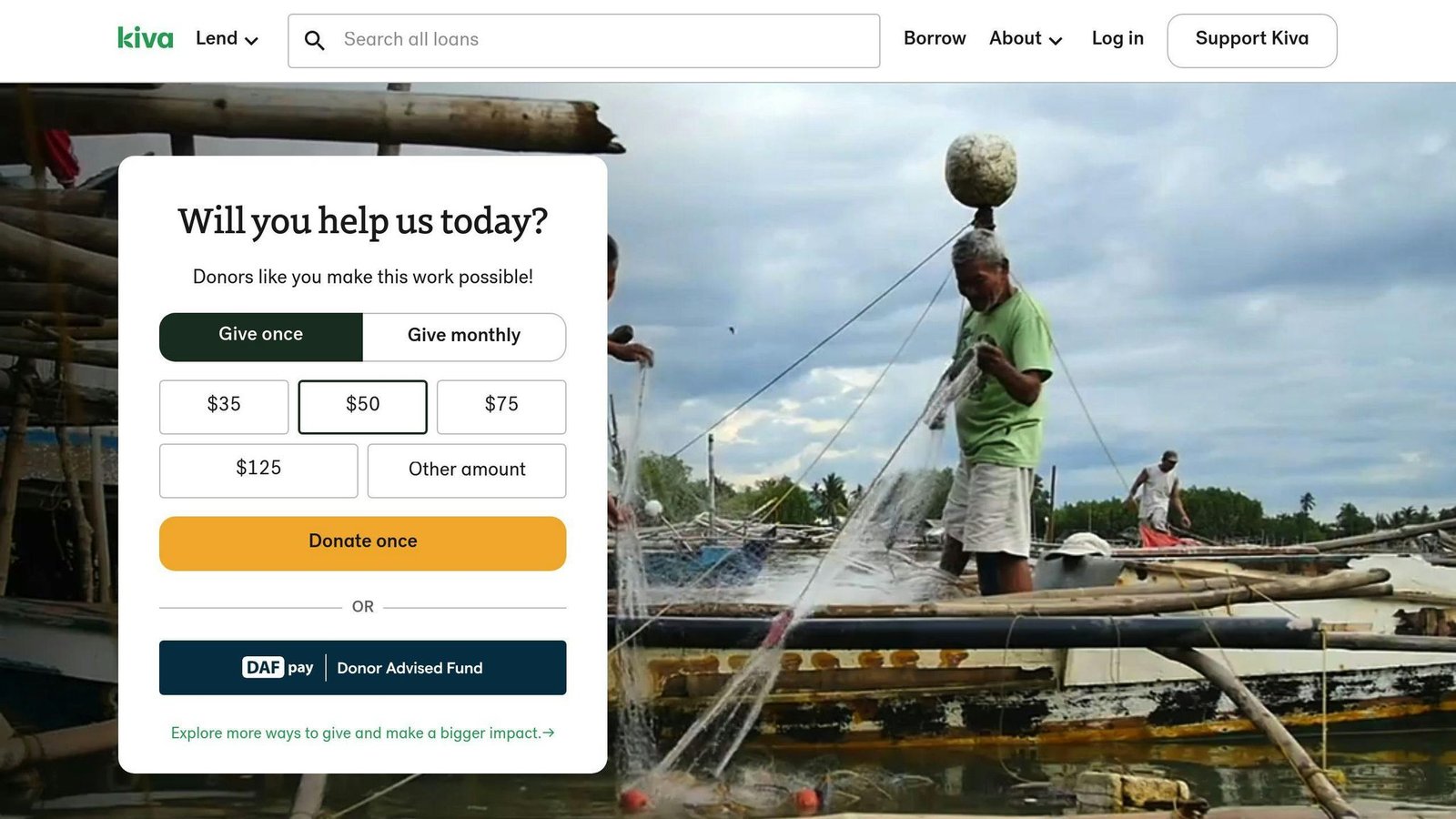
Kiva isn’t your typical crowdfunding platform. They’re all about microloans for entrepreneurs worldwide, with a special focus on developing countries. Since 2005, this non-profit has been playing matchmaker between lenders and small business owners.
Here’s the scoop on Kiva:
- Loans from $1,000 to $15,000
- 0% interest rate (yes, you read that right)
- Pay back in 6 months to 3 years
- Lend as little as $25
Kiva’s reach? It’s huge. They’ve got over 290 microfinance buddies in 77 countries, helping entrepreneurs who’d normally get the cold shoulder from traditional banks.
So how does it work? Borrowers apply through local partners, lenders pick projects they like, and when the funding goal is hit, the entrepreneur gets their cash. As they pay it back, lenders can either reinvest or cash out.
Let’s talk numbers:
| Metric | Value |
|---|---|
| Total Loans | $1.7 billion+ |
| Borrowers Helped | 2.5 million |
| Repayment Rate | 98.5% |
| Number of Lenders | 2.1 million |
Kiva Zip, launched in 2011, is their secret weapon. It offers 0% interest loans by tapping into an entrepreneur’s personal network for credibility. It reaches people conventional lenders will not touch.
A borrower testimonial from a named shop owner in Peru previously appeared here, complete with loan size and outcome. We could not source it, so it has been removed.
Want to borrow? Here’s your game plan:
- Craft a killer business plan
- Get your financial ducks in a row (tax returns included)
- Paint a clear picture of your business and why you need the loan
- Use your own network during the 15-day private fundraising period
For you lenders out there, Kiva’s website lets you browse entrepreneur profiles. Filter by industry, region, or whatever floats your boat to find projects that light your fire.
Kiva’s proving that even small change can make big waves. By focusing on character over credit scores, they’re not just changing lives – they’re fueling global entrepreneurship, one tiny loan at a time.
Platform Features at a Glance
Let’s dive into the key features of our top 7 crowdfunding platforms. This breakdown will help you pick the best option for your equity, debt, or donation needs.
| Platform | Type | Fees | Minimum Investment | Payout Time | Best For |
|---|---|---|---|---|---|
| Kickstarter | Reward-based | 5% platform + 3% and $0.30 per pledge | $1 | ~14 days | Creative projects |
| Indiegogo | Reward/Equity | Platform fee plus processing; confirm current rates with Indiegogo | $1 | 15 business days | Flexible campaigns |
| GoFundMe | Donation | 2.9% + $0.30 processing | No minimum | 2-5 business days | Personal causes |
| SeedInvest (now StartEngine) | Equity | See StartEngine’s current schedule | See StartEngine | Varies | Startup investments |
| Fundrise | Real Estate | 0.15% advisory + 0.85% management | $10 | Quarterly | Real estate investing |
| LendingClub | Debt (no longer peer-to-peer) | 3-8% origination fee for borrowers | $1,000 (borrowing) | 1-4 business days | Personal loans |
| Kiva | Microloans | 0% interest for borrowers | $25 (lending) | 6-12 months (repayment) | Small business loans |
Kickstarter: The big name in creative project funding. It’s all-or-nothing, so you’d better hit that goal. Fees are 5% plus 3% and $0.30 a pledge, with a discounted rate on pledges under $10.
Indiegogo: More wiggle room here. Choose fixed or flexible funding. Flexible costs more if you miss your goal, and Indiegogo no longer publishes its fee schedule openly – get it in writing.
GoFundMe: Personal causes are the name of the game. No platform fee, but you’ll still pay 2.9% + $0.30 for processing. Want your cash fast? 2-5 business days and it’s yours.
SeedInvest: gone as a standalone platform since StartEngine bought it in 2023. Evaluate StartEngine instead, on its own current fees.
Fundrise: Real estate for the masses. Start with just $10. The advisory fee is 0.15%, with fund-level fees on top; check the current total before you assume it is cheap.
LendingClub: Debt’s the word here. Borrowers pay a 3-8% origination fee. It is no longer peer-to-peer: retail investors cannot fund loans on it since the Notes platform closed in 2020.
Kiva: 0% interest microloans. That’s right, zero. Lend with $25, borrow up to $15,000. Small businesses, this one’s for you.
Crowdfunding isn’t just changing the game; it’s creating a whole new playing field. Whether you’re the next big artist, a budding entrepreneur, or just want to help out, there’s a platform with your name on it.
How to Pick Your Platform
Picking the right crowdfunding platform can make or break your campaign. Here’s how to choose:
Know Your Funding Type
First, figure out what kind of funding you need. Different platforms cater to different types of projects:
| Funding Type | Best For | Example Platform |
|---|---|---|
| Reward-based | Creative projects | Kickstarter |
| Donation-based | Personal causes | GoFundMe |
| Equity-based | Startups | StartEngine (which absorbed SeedInvest) |
| Debt-based | Small businesses | LendingClub |
Set Clear Goals
How much do you need to raise? By when? Answering these questions will help you pick a platform that fits your needs.
Understand the Fees
Crowdfunding isn’t free. Here’s a quick look at some platform fees:
| Platform | Platform Fee | Processing Fee |
|---|---|---|
| Kickstarter | 5% | 3% + $0.30 per pledge |
| Indiegogo | Confirm with vendor | Confirm with vendor |
| GoFundMe | 0% | 2.9% + $0.30 |
Fees in this article were checked in August 2026 against each platform’s own published schedule where one exists. Confirm them before you launch or invest.
Check the Fine Print
Some platforms use an all-or-nothing model (like Kickstarter), while others offer flexible funding (like Indiegogo). Make sure you know what you’re signing up for.
Evaluate Platform Features
Look for platforms with:
- An easy-to-use interface
- Good social sharing tools
- Solid customer support
“Time is money. Starting with a large number of fans is a no-brainer. As such, crowdfunding is the perfect funding route for Rnwl”, says the former CEO of SyndicateRoom.
This quote highlights why it’s smart to choose a platform with lots of active users.
Research Similar Campaigns
Check out successful campaigns in your niche. For example, CircleUp focuses on consumer and retail companies, while MicroVentures offers opportunities in FinTech and space travel.
Consider Multiple Platforms
Don’t limit yourself to just one platform. Using multiple platforms can help you reach more people and boost your chances of success.
More on this topic
Browse all 53 articles on Finance & Accounting, or jump straight to our buying guide: Best Accounting Software for Small Businesses.