Paymo is a project management tool for client work that keeps tasks, time tracking and invoicing in one place. Instead of running a task board in one app, timesheets in another and billing in a third, you plan the project, log hours against its tasks, and turn those billable hours straight into an invoice. It is built for teams whose projects are sold to clients, so the whole flow bends toward answering what a job cost and what should be charged for it.
What you can actually do with it
The parts fit together around a project record, which is what makes it more than the sum of a task app and a timer.
- Plan work in the view that suits you. Task lists, kanban boards, a spreadsheet-style table, calendar and Gantt charts all read from the same tasks, with subtasks, dependencies and milestones.
- Track time several ways. Web, desktop and mobile timers, plus an automatic desktop tracker that records app activity for you to assign later.
- Turn hours into invoices. Billable time and expenses roll into invoices and estimates, with recurring billing and online payment collection.
- Schedule your team. Employee scheduling and workload views show who is booked, who is free and where leave falls before you promise a deadline.
- Work with clients directly. Guest access, a client portal, comments and file proofing with versioning keep feedback attached to the work rather than lost in email.
- Track expenses and budgets. Log costs against a project, capture receipts and watch actual hours against the estimate as the job runs.
- Report on profitability. Timesheet reports and project reports show where time went, which is the number most agencies discover they were guessing at.
Who it fits best
Paymo is aimed at freelancers, small agencies and professional service teams, typically from one person up to a few dozen: design and marketing studios, consultancies, architects, engineers, and anyone else who bills by project or hour. If your current setup is a project tool plus a spreadsheet of hours plus manual invoices, this is the category of product that collapses those three into one.
It suits businesses where the same person often plans, does and bills the work, since the handoff between those steps is where Paymo saves the most effort. Larger organisations with dedicated PMOs, heavy resource forecasting or complex approval chains will find it lighter than enterprise tooling, which may be a feature or a problem depending on your appetite for process.
Things worth knowing before you commit
- The free and solo tiers are single-user and capped. They limit clients, projects and storage, so they are for trying it out or working alone, not for a team.
- Key features are tier-gated. Gantt charts, scheduling and workload, timesheet approvals and leave management sit on the top tier, while invoicing and proofing start on the middle one. Pick the plan by the feature you cannot live without.
- Reporting is solid but not analytical. You get good project and timesheet reports; you do not get a flexible BI layer, so unusual questions still mean exporting data.
- The mobile apps are companions, not replacements. Fine for logging time and checking tasks, weaker for planning and administration.
- Fewer integrations than the big platforms. Check that your accounting package, calendar and file storage connect the way you need before you migrate.
Alternatives to compare it against
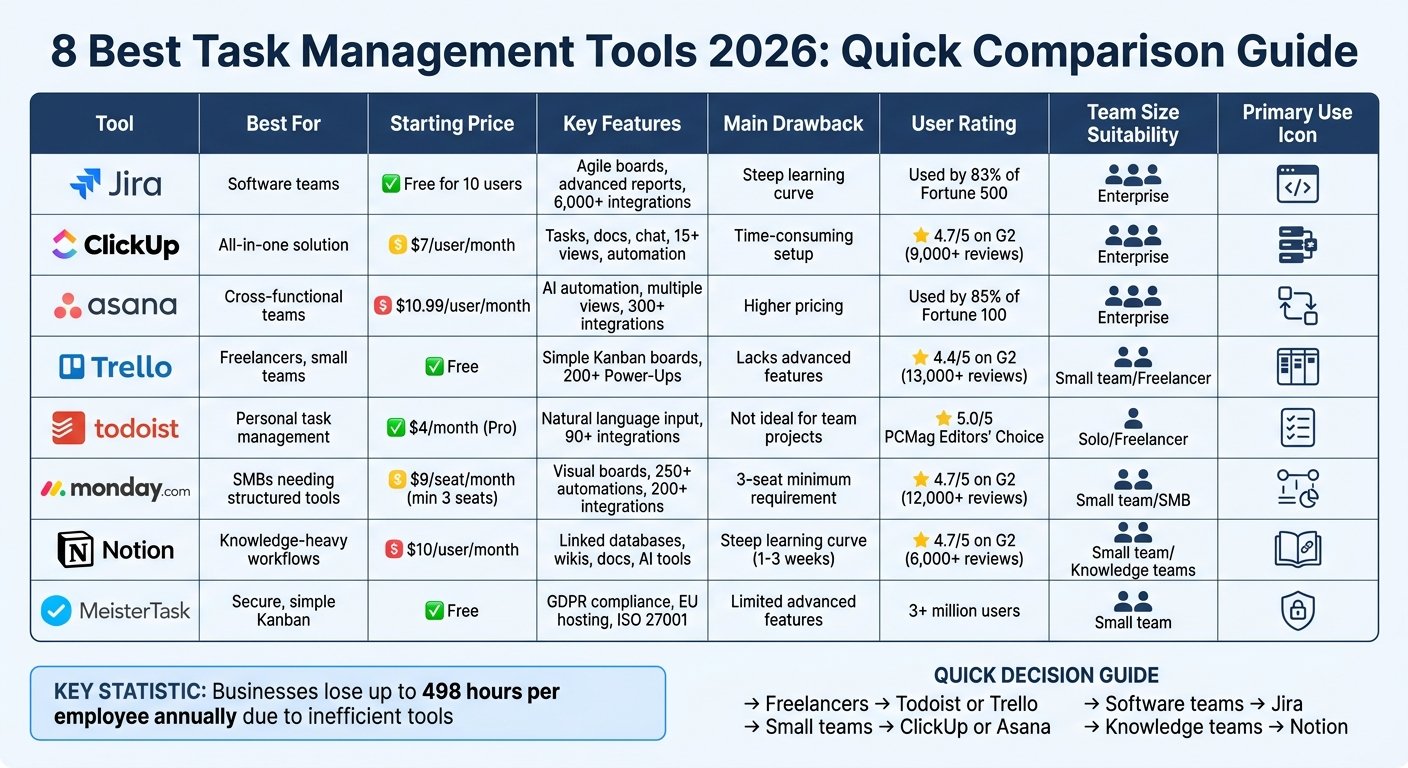
If project planning matters more than billing, general work management tools such as Asana, ClickUp or monday.com go deeper on views, automation and integrations, though you will bolt on time tracking and invoicing. If billing matters more than planning, an invoicing or accounting package such as FreshBooks covers estimates, expenses and payments better while doing little for task management. And if you only need hours and rates, a dedicated tracker like Toggl Track or Clockify is cheaper and simpler. Paymo’s argument is the middle ground: one system from brief to invoice.
Plan contents, user limits and pricing change over time. Check Paymo’s own pricing page for the current details before you decide.
Further reading
- Best Project Time Management Software for Small Businesses — the closest comparison set for a tool whose core is hours logged against projects.
- The 7 Best Project Management Software for Businesses in 2024 — what you gain in planning depth by splitting projects away from billing.
- 7 Key Features of Top Resource Scheduling Software — a yardstick for Paymo’s top-tier scheduling and workload views.
- Choosing the Right Self Employed Invoice Generator — relevant if invoicing is the only part of the bundle you actually need.
Have you used Paymo?
One sentence is enough. Would you pick it again, and why or why not? We publish the critical reviews too — that is the point.