Managing employee benefits is crucial for keeping your team healthy and productive. Here’s a quick guide on how to get started:
- Set Up The Benefits Package: Identify and offer perks employees value within your budget, ensuring legal compliance.
- Administer The Benefits Plan: Enroll employees, manage finances, and handle life changes and queries.
- Communicate With Employees: Educate them about their benefits and encourage usage.
- Evaluate And Optimize: Monitor usage and costs, gather feedback, and adjust offerings accordingly.
Employee benefits range from health insurance and retirement savings to paid time off and work-life balance perks. Software for administration saves time on the paperwork. Regular evaluation based on feedback and usage data is what keeps you from paying for benefits nobody uses.
A note on figures. An earlier version of this guide quoted a set of percentages – cost savings of 15-30%, 95% of workers valuing benefits, 60% willing to change jobs for better ones, 12-15 days per employee spent on manual administration, and specific time savings for two named vendors. None could be traced to a published source, and the administration figure was not even plausible. All of them have been removed. What remains are the legal requirements, which are checkable, and the mechanics, which you can measure in your own company.
What are Employee Benefits?
Employee benefits are non-wage compensation: things a company provides on top of salary. Health plans, retirement contributions, paid time off.
Some common employee benefits include:
- Health insurance (medical, and often dental and vision)
- Retirement plans such as a 401(k)
- Paid time off for holidays, vacation and sickness
- Tuition assistance
- Workplace extras such as gym subsidies or staff discounts
- Expense support such as relocation or equipment allowances
Some of these are legally required, some are competitive necessities, and some are cheap gestures that look better in a job ad than they feel in practice. Knowing which is which is most of the job.
Common Types of Employee Benefits
Health Insurance
Covers doctor visits, hospital stays and prescriptions, and sometimes dental and vision. The employer usually pays a share of the premium. For most US employees this is the benefit that dominates the decision, because the alternative is expensive.
Retirement Savings Plans
A 401(k) lets employees defer pre-tax pay towards retirement. Many employers match some portion of contributions. The match, not the plan, is what employees actually value.
Paid Time Off
Paid vacation, sick days and holidays. Note that the US has no federal statutory minimum for paid vacation, so whatever you offer is a competitive choice rather than a compliance one.
Tuition Reimbursement
Employer support for further study. Uptake is usually low, which makes it cheap to advertise and worth checking before you renew it.
Additional Perks
Gym memberships, discounts, remote work options. These are the easiest to cut and the easiest to over-value when designing a package.
The Business Case for Benefits Management
Where Benefits Management Actually Saves Money
Managing benefits properly saves money in specific, identifiable ways:
- Consolidating systems removes duplicate subscriptions and duplicate data entry.
- Buying insurance as a group, or through a PEO, gets you rates a small employer cannot get alone.
- Automating enrollment removes the per-employee admin hours.
- Auditing carrier invoices catches people who left months ago and are still being billed for. This is the single most reliable saving on the list and nobody does it.
- Dropping benefits with low utilization frees budget for ones people use.
How much any of that is worth depends entirely on how bad your current position is. Count your own duplicate invoices before believing anyone’s percentage.
Benefits and Retention
Benefits affect hiring and retention, and health insurance in particular is a reason people stay in jobs they would otherwise leave. That much is uncontroversial. What we cannot tell you is by how much, because the survey figures circulating on this subject are usually vendor-published and rarely link to a methodology.
Measure it internally instead. Ask leavers in exit interviews whether benefits were a factor, and track whether your offer-acceptance rate changes after you improve the package. Those two numbers are specific to you and they are the ones that justify the spend.
Efficient Administration Saves Time
Handling benefits by hand takes real time: open enrollment paperwork, mid-year life-event changes, carrier reconciliation, COBRA notices.
Automating and centralizing these tasks helps most with:
- Enrollment and re-enrollment
- Life-event changes
- Carrier data exchange
- Record keeping and audit trails
Before buying, time one open enrollment cycle. That number is what a platform has to beat, and it is the only honest business case you will get.
Setting Up Your Employee Benefits Program
Conduct a Competitive Analysis
To pitch benefits that are competitive without overspending, look at what comparable employers do:
- Use official statistics. The Bureau of Labor Statistics publishes the National Compensation Survey / Employee Benefits Survey, which gives access and participation rates by industry and employer size. It is free and it is real data, unlike most benefits statistics you will see quoted.
- Ask local recruiters and HR groups what similar businesses in your area offer.
- Consider your actual workforce. Parental leave and student loan help matter to a young team; retirement matching matters more to an older one.
Aim to be clearly better than competitors in one or two areas that matter to your team, and merely adequate elsewhere. Being mediocre across the board is the expensive option.
Survey Employees on Benefit Preferences
Ask your team what they value, anonymously. Useful questions:
- Rank these in order of importance: health insurance, retirement matching, flexible vacation, remote work, learning budget.
- Would better benefits elsewhere make you consider leaving?
- What do you wish we offered?
Then spend the budget on the top two answers rather than spreading it thin.
Compare Software Platform Options
When choosing a benefits administration platform, look at:
- Integrations – does it connect to your payroll and HRIS, and to your carriers?
- Self-service – can employees enroll and make life-event changes without HR involvement?
- Analytics – can you see enrollment and utilization by benefit?
- Support – what happens during open enrollment when something breaks?
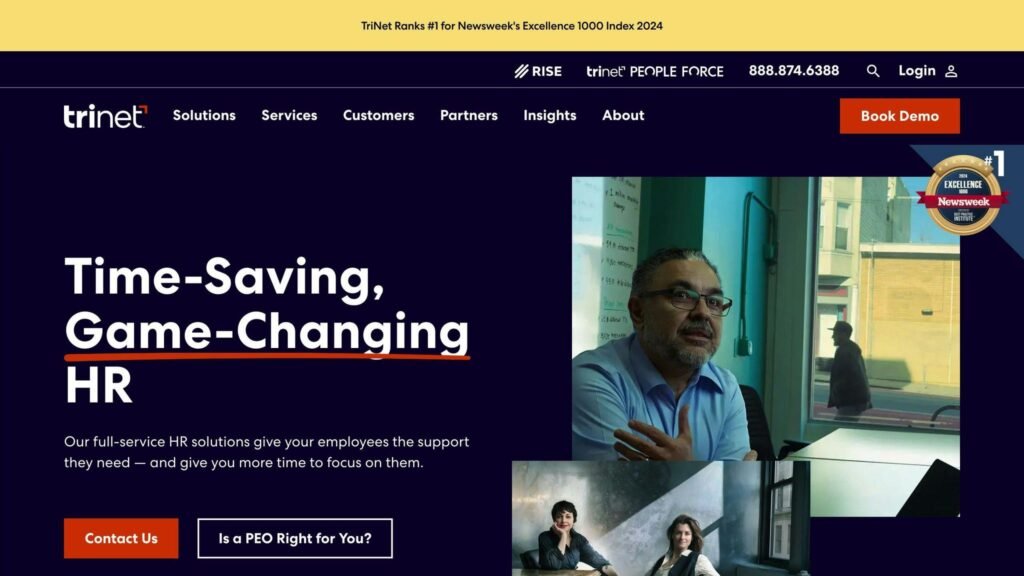
Common options include Gusto, Rippling, Justworks, BambooHR and TriNet. Note that Zenefits, which older guides recommend by name, was acquired by TriNet and is now sold as the TriNet HR platform, so search under the current name when comparing.
Develop a Rollout and Communication Plan
When you launch new benefits, communicate them properly:
- Use your intranet, email, and chat tools.
- Run question sessions and record short explainer videos. Repeat the message; one announcement reaches nobody.
- Brief managers well enough to answer basics and to know when to escalate to HR.
- Offer one-to-one sessions for anything involving individual medical or financial circumstances.
Unused benefits are wasted money. Communication is what determines utilization.
Key Components of a Benefits Package
Health Insurance
Practical steps to find workable cover:
- Quote at least three carriers. Ask about group size discounts.
- Compare HMO and PPO structures. PPOs offer broader networks at higher cost; HMOs are cheaper with a narrower network. Check the network against where your staff actually live.
- Confirm the plan covers ACA essential health benefits, including preventive care and mental health.
- Small employers should check the SHOP Marketplace and whether they qualify for the small business health care tax credit.
- Offer tiered plans so employees can trade premium against deductible.
- Run employee contributions through payroll on a pre-tax basis.
Retirement Savings Plans
- Use an established recordkeeper. Compare total plan fees, not headline pricing – fees are where small 401(k) plans quietly cost participants money.
- Consider matching contributions up to a set percentage of pay. The match drives participation more than any amount of education does.
- Provide clear information so employees can make informed choices.
- Let employees change contribution rates and investments at reasonable intervals.
- Make sure leavers can roll over their balance without difficulty.
Supplemental Insurances
- Dental insurance for cleanings and treatment. Employer-funded at 50% is common.
- Vision insurance for exams and glasses. Often employee-paid, because the cost is low and predictable.
- Disability insurance replaces part of salary during illness or injury. Short-term cover is the version employees are most likely to need and least likely to have.
- Life insurance pays a benefit to dependants. A basic policy at one times salary is a common starting point.
Work-Life Balance Benefits
- Flexible schedules let people shift start and end times around family and appointments. Costs nothing, valued highly.
- Remote work options remove commuting time.
- Paid time off covering sickness, vacation and holidays. There is no federal minimum, so this is where employers differentiate.
- Parental leave beyond the unpaid FMLA entitlement. Paid leave is a genuine differentiator because it is still uncommon at small employers.
- Wellness perks such as gym discounts or equipment budgets. Check utilization annually; these are the benefits most likely to be paid for and forgotten.
Compliance Requirements for Managing Benefits
Americans with Disabilities Act (ADA)
The ADA requires equal treatment of employees with disabilities, including in benefits:
- Insurance benefits – employees with disabilities must have the same access to insurance offered to everyone else.
- Facility access – workplaces must be accessible, including parking, restrooms and break areas.
- Wellness programs – health programs must offer reasonable alternatives for employees who cannot participate because of a disability.
- Leave policies – leave can be a reasonable accommodation under the ADA, separately from FMLA entitlement.
Consolidated Omnibus Budget Reconciliation Act (COBRA)
COBRA lets former employees keep group health coverage for a period after leaving, and generally applies to employers with 20 or more employees:
- The same coverage continues.
- It lasts 18 to 36 months depending on the qualifying event, and the individual pays the full premium plus an administrative charge.
- You must send an election notice when employment ends. Missing this deadline is one of the most common and most expensive benefits administration failures.
Employee Retirement Income Security Act (ERISA)
ERISA sets standards for retirement and welfare plans:
- Vesting: employer contributions must vest on at least a three-year cliff or six-year graded schedule.
- Reporting: plans must file annual reports.
- Disclosures: participants must receive plan documents and summaries.
- Fiduciary duties: plan fiduciaries must act in participants’ interests, which includes monitoring plan fees.
Family and Medical Leave Act (FMLA)
FMLA gives eligible employees job-protected leave at employers with 50 or more employees, for reasons including:
- Birth or adoption of a child
- A serious personal health condition
- Caring for a seriously ill family member
Up to 12 weeks per year, unpaid, with group health coverage maintained. Note the word unpaid – many employees assume otherwise, and several states have their own paid leave programmes that run alongside it.
Health Insurance Portability and Accountability Act (HIPAA)
- Portability – HIPAA limited preexisting condition exclusions in group plans. The ACA later eliminated them entirely.
- Privacy Rule – restricts who may access and use protected health information.
- Security Rule – sets safeguards for electronic health information.
Patient Protection and Affordable Care Act (ACA)
- Dependants can stay on a parent’s plan until age 26.
- No denial or exclusion for preexisting conditions.
- Preventive services covered without cost sharing.
- Plans must cover essential health benefits.
- The federal individual mandate penalty has been $0 since 2019, though some states impose their own.
- Employers with 50 or more full-time equivalent employees face the employer shared responsibility requirements.
Using Software for Benefits Administration
Software vs. Manual Administration
| Metric | Software | Manual |
|---|---|---|
| Efficiency | Automates repetitive enrollment and change tasks | Time-consuming, scales badly with headcount |
| Accuracy | Fewer transcription errors between systems | Re-keying introduces mistakes |
| Reporting | Enrollment and cost reports on demand | Reports require manual assembly |
| Compliance | Prompts for COBRA and ACA deadlines | Deadlines depend on someone remembering |
| Cost | Per-employee-per-month subscription | No licence cost, higher labour cost |
Note that the cost row is a genuine trade rather than a free win. Software replaces staff hours with a recurring per-seat fee, and below a certain headcount the spreadsheet is cheaper. The compliance prompts are usually what tips the decision, not the time saving.
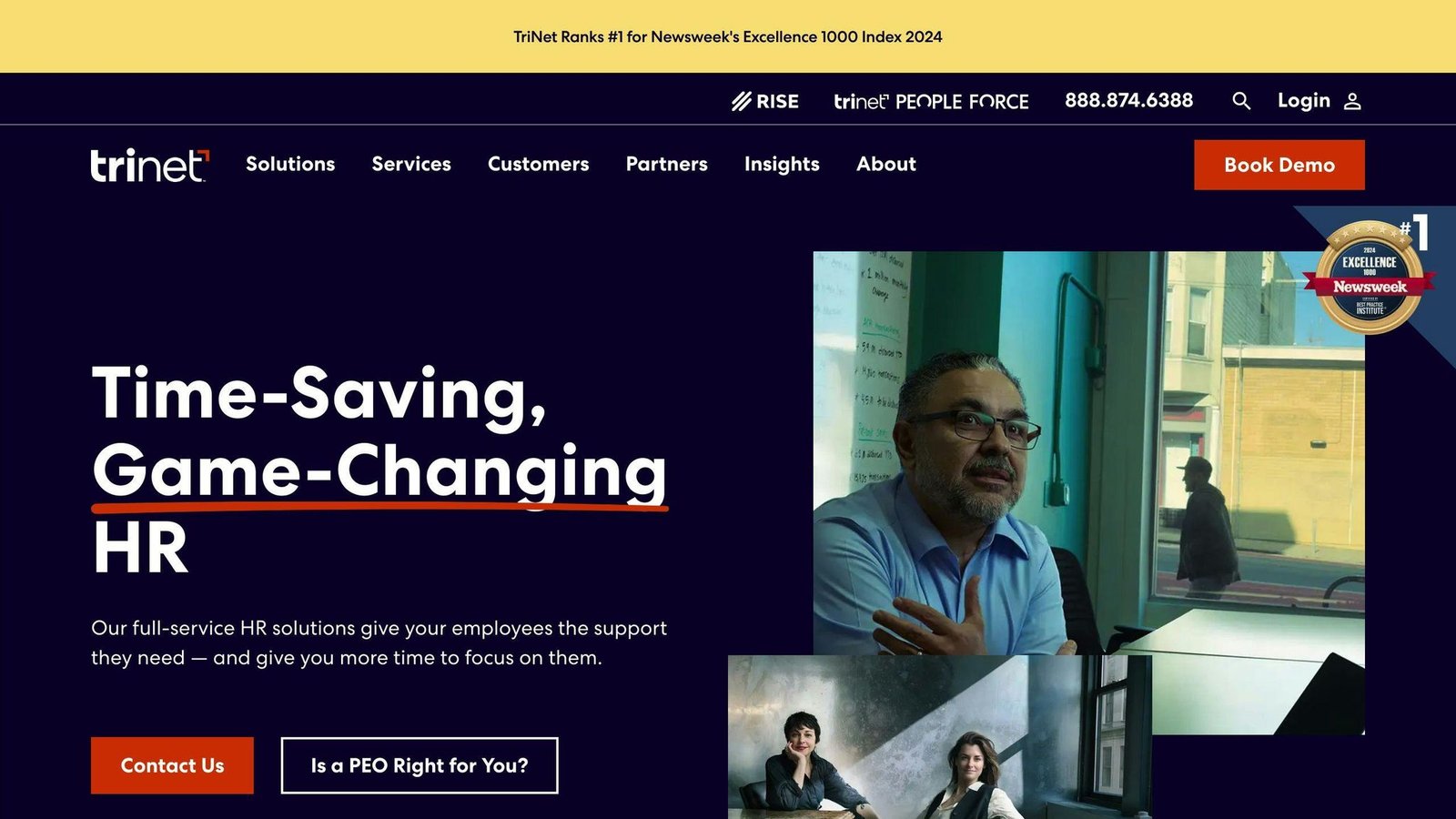
The platform formerly sold as Zenefits, now the TriNet HR platform, covers:
- Enrollment and mid-year changes
- Employee self-service
- Carrier and payroll connections
- ACA, COBRA and HIPAA administration support
- Time off tracking and payroll
We previously quoted a specific saving for this product. It came from marketing material with no methodology behind it and has been removed. Ask any vendor for a reference customer of your size instead.
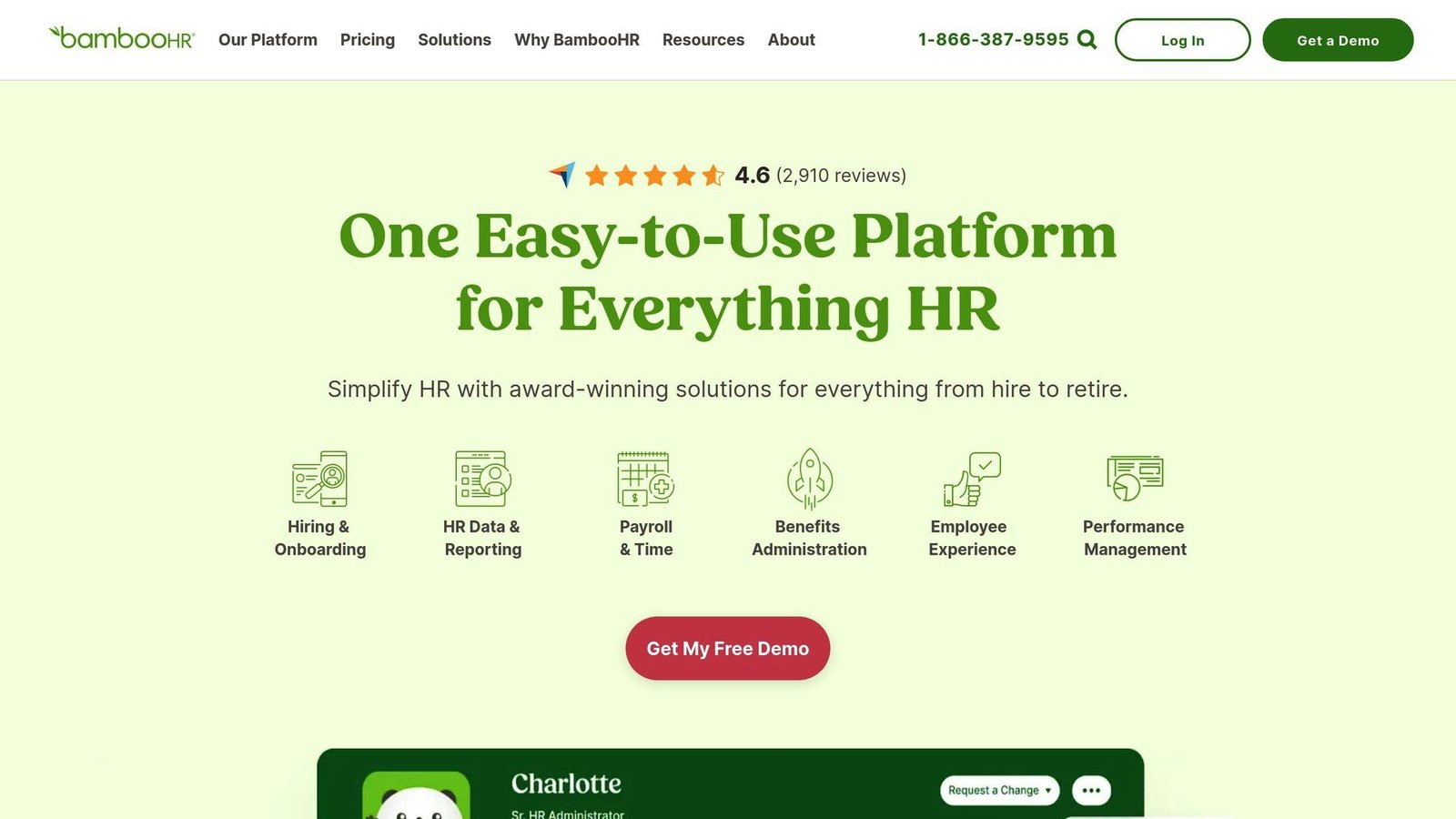
BambooHR offers:
- Workflows for onboarding, offboarding and life events
- Employee self-service for viewing and managing benefits
- Reporting on enrollment and cost
- Deadline reminders for enrollment windows and documents
- An integration marketplace covering common payroll and productivity tools
The claim that it saves HR teams around 20 hours a week appeared here previously without a source and has been removed. A figure like that would imply half a full-time role spent on benefits alone at a company of any size, which does not survive contact with a real HR calendar.
Evaluating and Optimizing Your Benefits Program
Conduct Annual Employee Satisfaction Surveys
- Use an anonymous survey rating each benefit from 1 to 5.
- Include one open question on what to add or change.
- Keep it to 5-10 minutes.
- Offer a small incentive to lift response rates.
- Use a simple online tool so analysis is not another manual job.
Look for benefits rated highly by a minority and ignored by everyone else. Those are candidates for making optional rather than universal.
Review Usage and Cost Analytics
- Enrollment rates – who signs up for each benefit, and is it trending?
- Utilization rates – of those enrolled, who actually uses it?
- Program costs – per employee, per benefit, year on year.
- Vendor performance – claims handling, service quality, renewal increases.
Low utilization with high enrollment usually means people signed up by default. That is where renegotiation or removal is easiest to justify.
Solicit Regular Stakeholder Feedback
Talk to team leaders a couple of times a year:
- Which benefits do their people ask about most?
- Where are the gaps?
- With more budget, what would they add?
Combine that with survey results and usage data before the renewal conversation, not after it.
Conclusion and Next Steps
Key Takeaways
- Benefits affect hiring and retention. Measure the effect in your own company rather than trusting published percentages, most of which are vendor marketing.
- The core package is health insurance, retirement savings, paid time off, work-life flexibility, and supplemental insurance.
- Review annually using surveys, utilization data, and manager feedback, and be willing to cut what nobody uses.
- Benefits administration software trades staff hours for a subscription. Below a certain headcount that trade does not pay, and the real argument for it is compliance deadlines rather than time saved.
- Know the rules that apply to you: ACA, COBRA, HIPAA, ERISA, and FMLA. Several have headcount thresholds that catch growing companies by surprise.
Additional Resources
- BLS Employee Benefits Survey – free official data on what employers actually provide, by industry and size. Start here before any vendor content.
- DOL Employee Benefits Security Administration – the compliance rules themselves, from the regulator.
- Gusto’s guide to employee benefits – a vendor guide, but a clear one on program setup.
- BambooHR Academy – free HR courses, also vendor-published.
An entry previously listed here, “Associated Employee Benefit Specialists (AEBS)”, has been removed. No such benefits agency could be found, and the domain it linked to belongs to an unrelated IT consultancy.
Related Questions
What is the employee benefits management process?
- Research and Compare: find out what your employees want and what comparable employers offer, using BLS data rather than vendor surveys.
- Budget and Negotiate: set the total spend, then quote multiple carriers.
- Streamline Enrollment: make signing up straightforward, with software if the headcount justifies it.
- Ensure Compliance: track the headcount thresholds that trigger COBRA, FMLA and ACA employer obligations.
- Assess and Automate: collect feedback and utilization data before each renewal.
What are the three most important benefits an employer can give to an employee?
In the US, the three that consistently matter most in practice:
- Health Insurance – because the individual market alternative is expensive.
- Flexible Hours – because it costs the employer almost nothing and is valued highly.
- Paid Time Off – because there is no federal minimum, so what you offer is visible against competitors.
How do you manage employee benefits?
- Find out which benefits matter most to your employees
- Keep the number of choices low; too many options reduces enrollment
- Track cost and utilization per benefit
- Be willing to drop what is not used
- Use administration software once manual handling stops being viable
How do you introduce employee benefits?
- Get Input Upfront: ask employees before deciding.
- Make Enrollment Easy: use a platform people can complete without help.
- Communicate Often: email, chat, and meetings, repeated.
- Measure Engagement: track enrollment and utilization, not just announcements sent.
- Ask for Feedback: find out what worked before the next renewal.
More on this topic
Browse all 52 articles on HR & People Ops.