

Data sovereignty in cloud storage is crucial for businesses. Here’s what you need to know:
- Definition: Data must follow the laws of the country where it’s stored
- Why it matters: Legal compliance, customer trust, national security
- Key laws: GDPR (EU), CCPA (California), PIPL (China)
- How to comply:
- Know your data
- Understand local laws
- Beef up security
- Choose cloud providers carefully
- Regular compliance checks
Quick tips:
- Sort and track your data
- Use encryption and access controls
- Work with compliant cloud providers
- Stay updated on changing laws
Remember: Data sovereignty isn’t just about avoiding fines – it’s about building trust and protecting your business.
Data Sovereignty Rules and Laws
Data sovereignty isn’t just tech jargon. It’s a big deal for businesses using cloud services. Here’s what you need to know about the rules and laws.
Main Data Sovereignty Rules
Data sovereignty means digital info must follow the laws of the country where it’s stored. Simple, right? Well, not quite. It breaks down like this:
- Your data has to play by local rules, not just your home country’s laws.
- Where your data sits physically? That’s what decides which laws apply.
- You’ve got to be the gatekeeper, controlling who can access your data based on local laws.
Laws by Region
Data sovereignty laws? They’re all over the map. Let’s take a quick tour:
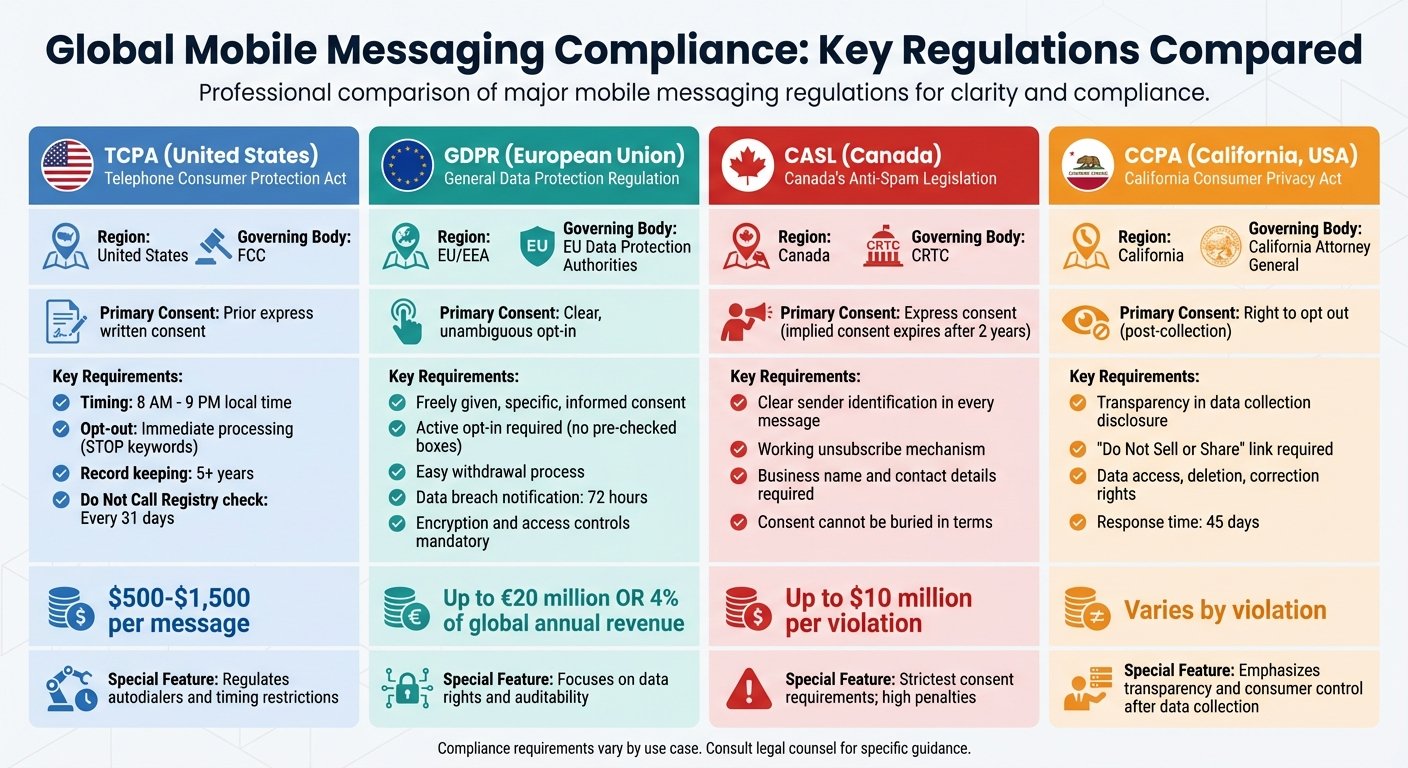
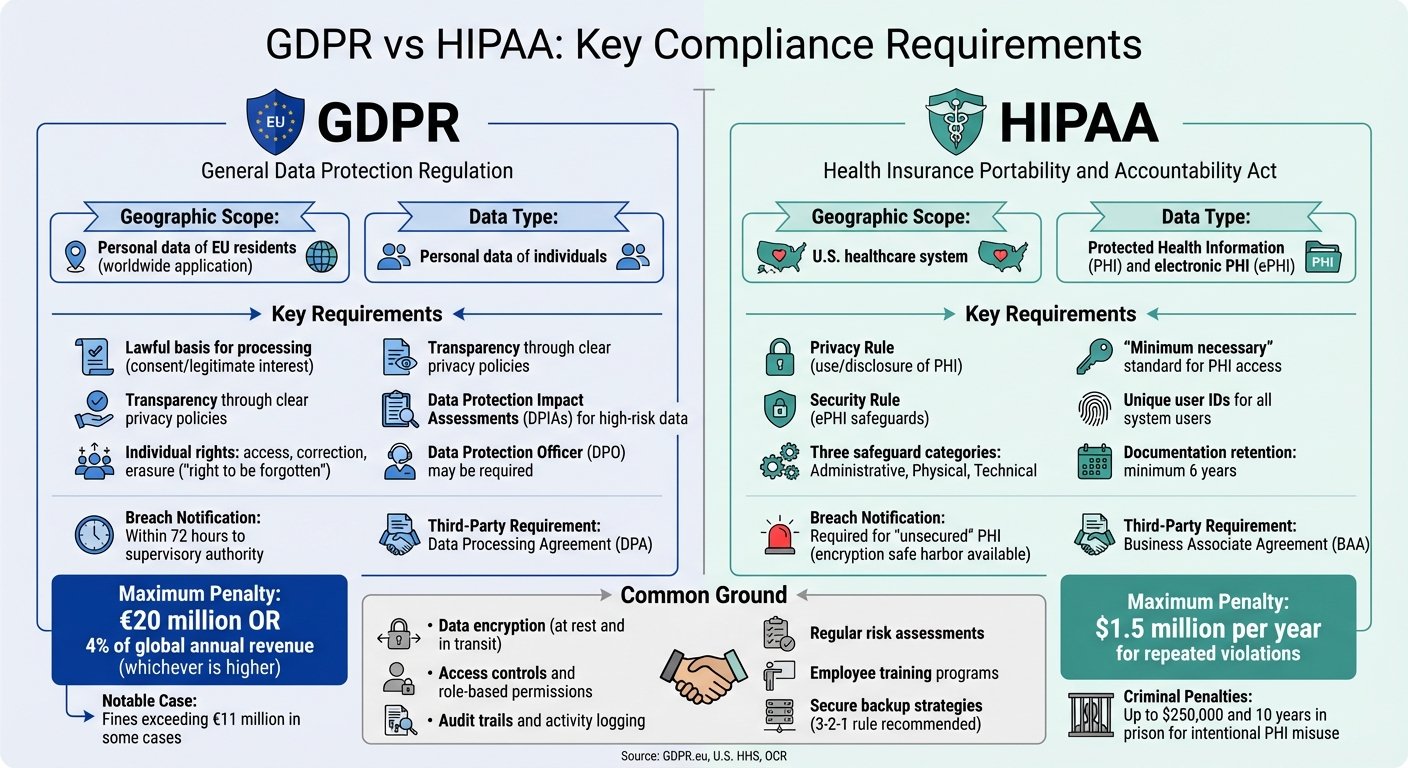
European Union (EU): The GDPR is the big kahuna here. It’s all about protecting EU citizens’ data, no matter where it’s processed. Want to move data outside the EU? The new place better have solid protection, or you need special safeguards.
United States: No one-size-fits-all federal law here. It’s a mix of state rules. Take California’s CCPA – it gives residents more say over their personal data.
Asia: China’s tightening the screws. Their PIPL law says some operators have to keep personal info collected in China, well, in China.
Meeting Legal Requirements
Want to stay on the right side of these laws? Here’s your game plan:
1. Know your data
Do a deep dive into all the data you collect, process, and store. It’s your compliance starting line.
2. Understand local laws
Each country has its own data rulebook. Stay sharp on the regulations wherever you do business.
3. Beef up security
Encryption and regular audits aren’t just good ideas – they’re often the law.
4. Pick cloud providers carefully
Your cloud storage choice matters. Look for providers offering region-specific storage and who know their local laws.
5. Keep checking compliance
Data laws don’t stand still. Set up regular audits to stay on track.
“Getting a grip on these issues is key for businesses wanting to use cloud tech while keeping control and security over their data.” – InCountry Author
Data sovereignty isn’t just about dodging fines. It’s about building trust. By taking these laws seriously, you’re showing you care about privacy and data protection.
Check Your Cloud Storage Setup
Let’s look at how to review your cloud storage setup to meet data sovereignty rules.
Sort and Track Your Data
You need to know what data you have and where it should be. Here’s how:
- Categorize your data: Split your data into types like customer info, financial records, and internal docs.
- Identify sensitive data: Mark data that’s under strict rules. This could be personal info (GDPR) or financial data (banking laws).
- Create a data map: Write down where each type of data should be stored based on legal needs. For example, EU citizens’ personal data might need to stay in the EU.
Where Your Data Lives Now
Now, find out where your data is actually stored. This is key because most companies use cloud computing these days.
- Audit your cloud services: List all the cloud services you use, from storage to SaaS apps.
- Check data center locations: Ask your cloud providers where your data is stored.
- Compare with your data map: See if your current storage spots match where your data should be.
Risk Check Table
Use this table to spot potential risks:
| Data Type | Current Location | Required Location | Risk Level |
|---|---|---|---|
| EU Customer Data | US Data Center | EU Data Center | High |
| Financial Records | Local Server | Local Server | Low |
| Marketing Analytics | Global CDN | No Restriction | Low |
Finding Problems
Now, let’s identify and fix any issues:
- Spot the mismatches: Find data stored in the wrong places.
- Assess the impact: What could happen if data is in the wrong spot? For example, EU customer data in a US data center could mean big GDPR fines.
- Prioritize fixes: Move the most sensitive and high-risk data first.
- Plan data migration: For data that needs to move, work with your cloud provider to move it safely.
- Update your policies: Change your data handling rules to stop future problems.
Setting Up Security Controls
You’ve checked your cloud storage setup. Now it’s time for serious security measures. These controls are your frontline defense for data sovereignty.
Data Protection Methods
Encryption is key for data protection. Here’s how to use it:
End-to-End Encryption: This scrambles your data from start to finish. It’s like a secret message only the intended recipient can read. The 2023 IBM Cost of a Data Breach Report found 39% of breached data was stored across multiple environments. End-to-end encryption can help reduce this risk.
Homomorphic Encryption: This tech lets you work on encrypted data without decrypting it first. It’s great for analyzing sensitive info without exposing it.
Don’t just encrypt data at rest. Protect it while it’s moving too. This covers you during data transfers, which are often weak points.
Control Who Gets Access
Think of your data like a vault. Be picky about who gets the keys:
1. Implement Zero Trust
This approach is all about “never trust, always verify”. It means checking everyone’s credentials, every time they try to access data.
2. Role-Based Access Control (RBAC)
Set up different access levels based on job roles. Your marketing team probably doesn’t need access to financial records, right?
3. Multi-Factor Authentication (MFA)
Add an extra layer of security beyond just a password. This could be a fingerprint, a code sent to a phone, or a physical security key.
Location Blocking Tools
Geofencing is your digital bouncer, keeping data where it belongs:
- Use IP address filtering to block access from unauthorized locations.
- Set up GPS-based restrictions for mobile devices accessing your data.
Some countries require certain data to stay within their borders. For example, China’s PIPL law mandates that some personal info collected in China must be stored there.
Checking Your System
Regular check-ups keep your data sovereignty strategy healthy:
1. Automated Monitoring
Set up tools to watch for unusual data access patterns or movements.
2. Compliance Audits
Schedule regular reviews to ensure you’re still meeting all legal requirements. Laws change, and so should your practices.
3. Penetration Testing
Hire ethical hackers to try and break into your system. They’ll find weak spots before the bad guys do.
“Organizations that prioritize data sovereignty are better equipped to protect themselves against legal risks, enhance their operational security, and build trust with their customers.” – Veritas
Working with Cloud Providers
Picking the right cloud provider is key for data sovereignty. Here’s how to choose and work with providers who follow the rules.
How to Choose Providers
When picking a cloud provider, focus on those who take data sovereignty seriously. Here’s what to look for:
- Data centers in the right countries
- Compliance certifications (like ISO 27001)
- Openness about data handling
- Customizable sovereign cloud options
BizBot can help small businesses find providers that fit these criteria.
Data Handling Contracts
When you’re setting up agreements with cloud providers, make sure to cover:
- Where your data will be stored and processed
- Who can access your data and when
- Rules for moving data, especially across borders
- How quickly they’ll tell you about data breaches
- How you’ll get your data back if you switch providers
Service Standards
Your provider should offer:
- Regular third-party compliance audits
- Strong encryption for all data
- Solid backup and recovery plans
- 24/7 security monitoring
Check Provider Compliance
Keep tabs on your cloud provider:
1. Ask for recent audit reports and certifications
2. Try to inspect their data centers yourself
3. Track their uptime and security response
4. Stay up-to-date on data protection laws
Data sovereignty isn’t a one-time thing. It’s ongoing. As VMware points out, customers need providers who know their stuff and are transparent about following local data laws.
Staying Within the Rules
Keeping up with data sovereignty rules is an ongoing process. Here’s how to stay on top of these rules and keep your data practices in check:
Regular Checks
To stay compliant, you need to keep a close eye on your data practices:
- Do internal audits on a schedule
- Use tools that monitor for unusual data activity
- Bring in outside experts for an unbiased review
“Regular auditing of data handling practices is essential to ensure ongoing compliance with data protection regulations.” – Robert Dougherty, data protection expert
Update Your Rules
Laws change, so your policies need to keep up:
- Keep an eye on new laws or updates in all countries where you operate
- Update your internal rules when laws change
- Train your team on new rules regularly
Problem Response Plan
If something goes wrong with your data, you need to act fast:
1. Spot the problem: Have systems in place to quickly detect data issues
2. Tell the right people: Know who needs to be informed and when
3. Stop the spread and recover: Have steps to contain the issue and get back to normal
4. Learn from it: After an incident, figure out what went wrong and how to prevent it
Keep Good Records
Good record-keeping proves you’re following the rules:
- Keep an up-to-date list of your data and where it’s stored
- Document how you use data and who has access
- Keep clear records of data use permissions
- Document your data protection measures
- Keep logs of who accesses data and when
“Having a complete data governance process in place ensures that adherence and continuous risk assessment and mitigation are maintained at all times.” – TechTarget
These records aren’t just paperwork – they’re your safety net if questions come up about your data practices.
Wrap-up
Data sovereignty isn’t just a fancy term – it’s a big deal for businesses using cloud storage. Here’s what you need to know:
Rules matter: Data laws are different everywhere. The EU’s GDPR? It’s tough and it’s changing the game worldwide. Keep an eye on the rules where you work.
Pick smart providers: Want cloud storage? Look for providers with data centers in the right places. Check for certifications like ISO 27001. Remember: where your data sits decides which laws apply.
Lock it down: Encryption is your best friend. Use it everywhere – when your data’s sitting still and when it’s moving. For the super sensitive stuff, think about fancy tech like homomorphic encryption.
Check, check, and check again: Don’t set it and forget it. Keep tabs on how you handle data. As Patrick Spencer, who knows his stuff about data sovereignty, puts it:
“Data sovereignty is a crucial concept in the digital age. It ensures that countries have control and ownership over their data, protecting sensitive information, preserving national security, and fostering trust.”
Stay on your toes: Data laws change fast. Saudi Arabia, India, Brazil – they’ve all rolled out new rules lately. Some even say you HAVE to store data locally. Keep your policies fresh to stay on the right side of the law.
More on this topic
Browse all 79 articles on Security & Compliance.