Drip is an email marketing and automation platform built specifically around online stores. It sits in the same category as Klaviyo and Omnisend rather than general newsletter tools: it pulls order and browsing data out of your store, keeps a profile for each customer, and uses that to drive segments and automated flows. The company describes its aim as ecommerce power without the bloat, which in practice means a fairly complete flow builder with fewer bolted-on channels than the bigger suites.
What you can actually do with it
The workflow is usually: connect the store, let customer data flow in, then automate around what people buy and browse.
- Connect your store and sync customer data. Native integrations for Shopify, WooCommerce, BigCommerce and others feed order history, products and browsing behaviour into each contact record.
- Run the standard ecommerce flows. Prebuilt playbooks cover welcome series, abandoned cart and abandoned browse, post-purchase follow-up and win-back, so you are editing a starting point rather than drawing from scratch.
- Build segments from behaviour. Filter on purchase history, spend, product or category, engagement and site activity, and have those segments update automatically as people qualify or drop out.
- Design emails without code. A drag-and-drop builder with ecommerce-oriented templates, plus dynamic product content pulled from your catalogue.
- Capture visitors on site. Popups, embedded forms and onsite messaging feed straight into the same lists and flows.
- Test and measure revenue, not just opens. A/B testing on emails and workflow branches, with reporting that ties campaigns back to orders.
Who it fits best
Drip suits small to mid-sized direct-to-consumer brands: a store doing steady order volume with one marketer, a founder, or a small agency running the email programme. If you already have a Shopify or WooCommerce store and your email is currently generic broadcasts, this is the kind of tool that turns it into segmented, automated revenue.
It is a poor fit for B2B companies with long sales cycles, for service businesses with no product catalogue, and for anyone who mainly needs transactional sending or a sales CRM. Those readers should look elsewhere entirely rather than trying to bend an ecommerce tool into shape.
Things worth knowing before you commit
- Email is the main channel. Onsite forms and popups are included, but Drip is not a multichannel suite; if SMS or push is central to your plan, check current channel support before you migrate.
- Pricing scales with contact count. Cost tracks the number of people in your account, so inactive subscribers cost money and regular list cleaning pays for itself.
- You need real store data for it to shine. A low-volume shop with few orders will not get much from behavioural segmentation and may be better served by a simpler, cheaper tool.
- The integration list is focused, not exhaustive. The major cart platforms are covered well, but check niche apps and your review, loyalty or helpdesk tools before switching.
- Migration takes real effort. Rebuilding automations, templates and segments from another platform is a project of days, not an afternoon, and deliverability needs warming up afterwards.
Alternatives to compare it against
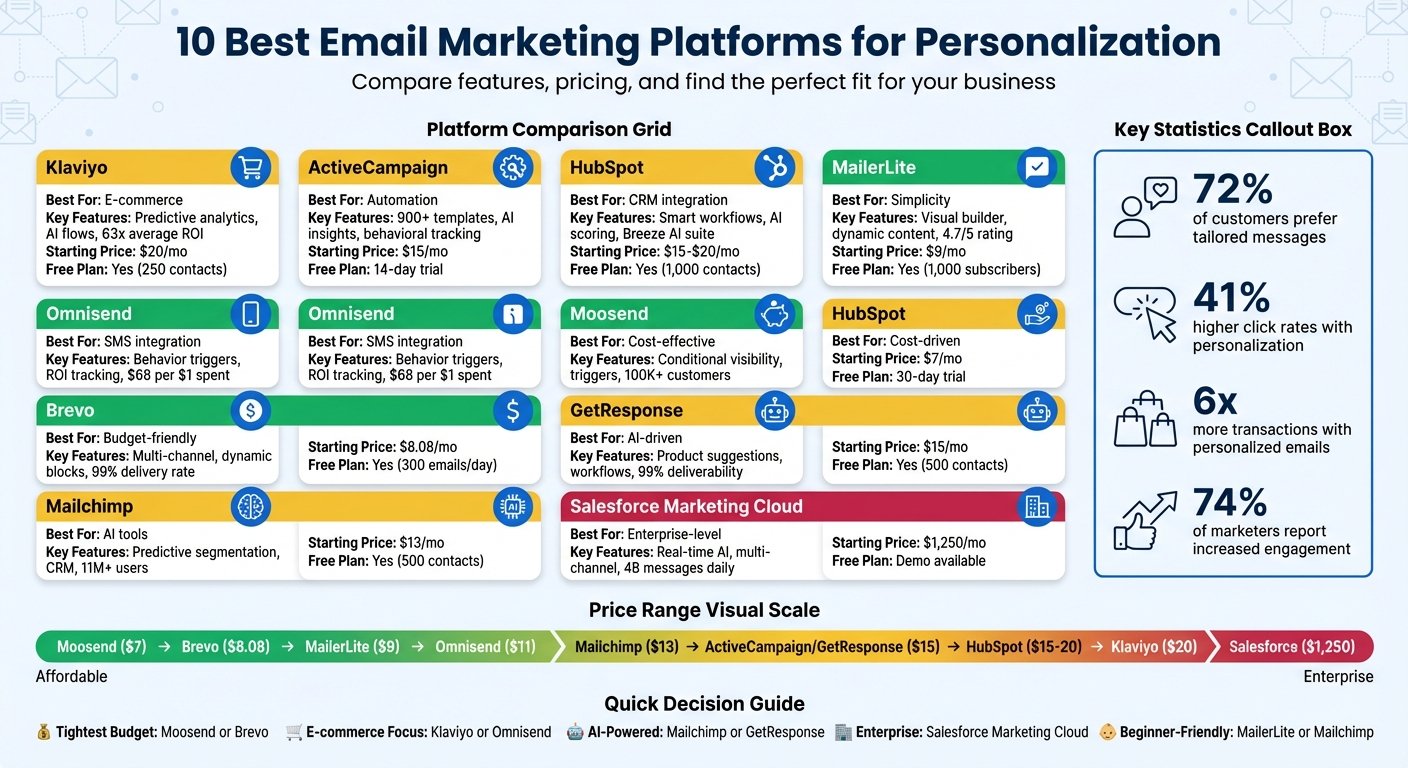
Klaviyo is the obvious comparison and is stronger on advanced segmentation, SMS and reporting depth, at higher cost and complexity. Omnisend covers similar ground with email and SMS bundled and is often simpler for smaller shops. If you are not really an ecommerce business, a general platform such as Brevo, Mailchimp or Kit will fit your workflows better and cost less. Drip makes most sense when you want serious store-driven automation but find the largest platforms heavier than your team needs.
Plans, contact limits and included features change over time. Check Drip’s own pricing page before deciding.
Further reading
- E-commerce Personalization: Complete Guide [2024] — the strategy behind the browse and purchase based flows Drip is built to run.
- 10 E-commerce Analytics Metrics to Track Customer Behavior 2024 — defines the behavioural signals Drip turns into automatic segments.
- Customer Lifetime Value: Ecommerce Growth Metric — the number that justifies paying per contact for post-purchase and win-back flows.
- Best Email Deliverability Tools for Businesses in 2026 — relevant to the sender warm-up needed after migrating a store’s list to Drip.
Have you used Drip?
One sentence is enough. Would you pick it again, and why or why not? We publish the critical reviews too — that is the point.