Kit, formerly ConvertKit, is an email marketing platform built specifically for creators who publish a newsletter and sell something alongside it. It renamed itself to Kit in 2024, but the product is the same lineage: tag-based subscriber management, plain-looking emails that land in the inbox, and automation you can draw as a flowchart. Where most email tools are built around campaigns to a list, Kit is built around one audience that you slice with tags and segments.
What you can actually do with it
The feature set is narrower than an all-in-one marketing suite, and deliberately so.
- Send broadcasts and sequences. One-off newsletters and evergreen multi-email sequences share the same editor, which favours readable text over heavy design.
- Tag and segment one subscriber list. Every subscriber is a single record with tags attached, so someone who joins through three different forms is not billed or counted three times.
- Build automations visually. The automation canvas branches on events like form submissions, link clicks, purchases and tag changes, so you can wire up onboarding, product launches and re-engagement without scripting.
- Publish forms and landing pages. Hosted signup forms, embeddable forms and standalone landing pages mean you can start collecting addresses before you have a website.
- Sell digital products and subscriptions. Kit’s commerce feature handles checkout, delivery and paid newsletter subscriptions directly, charging a percentage plus card fees per transaction.
- Grow through the Creator Network. Recommend other newsletters and get recommended in return at the point of signup, which is a genuine acquisition channel rather than a badge.
- Take newsletter sponsorships. Kit can match your newsletter with sponsors and handle the placement, with you approving what runs.
Who it fits best
Kit is aimed squarely at solo creators and small creator businesses: newsletter writers, course sellers, coaches, podcasters, authors and one-person consultancies. If your business model is “build an audience, email them regularly, sell them something,” the product’s defaults will already match how you work.
It also suits small teams who want automation without a project to set it up. It is a weaker fit for retail ecommerce with a large catalogue, for B2B sales teams who need a real CRM, and for brands whose emails must be pixel-perfect marketing designs.
Things worth knowing before you commit
- Email design is intentionally plain. The editor is fine for text-first newsletters, but if you want elaborate templates and layout control you will fight it or write your own HTML.
- Cost rises with subscriber count. Pricing scales as your list grows whether or not those people open anything, so list hygiene has a direct financial effect.
- Ecommerce depth is limited. Product recommendations, catalogue syncing and revenue attribution are thinner than in tools designed for online stores.
- The free tier is a starting point, not the product. Automations, integrations and team access are gated to paid plans, so most people outgrow the free plan fairly quickly.
- Reporting is serviceable rather than deep. You get the standard open, click and growth numbers; advanced engagement analysis sits on the higher tier.
Alternatives to compare it against
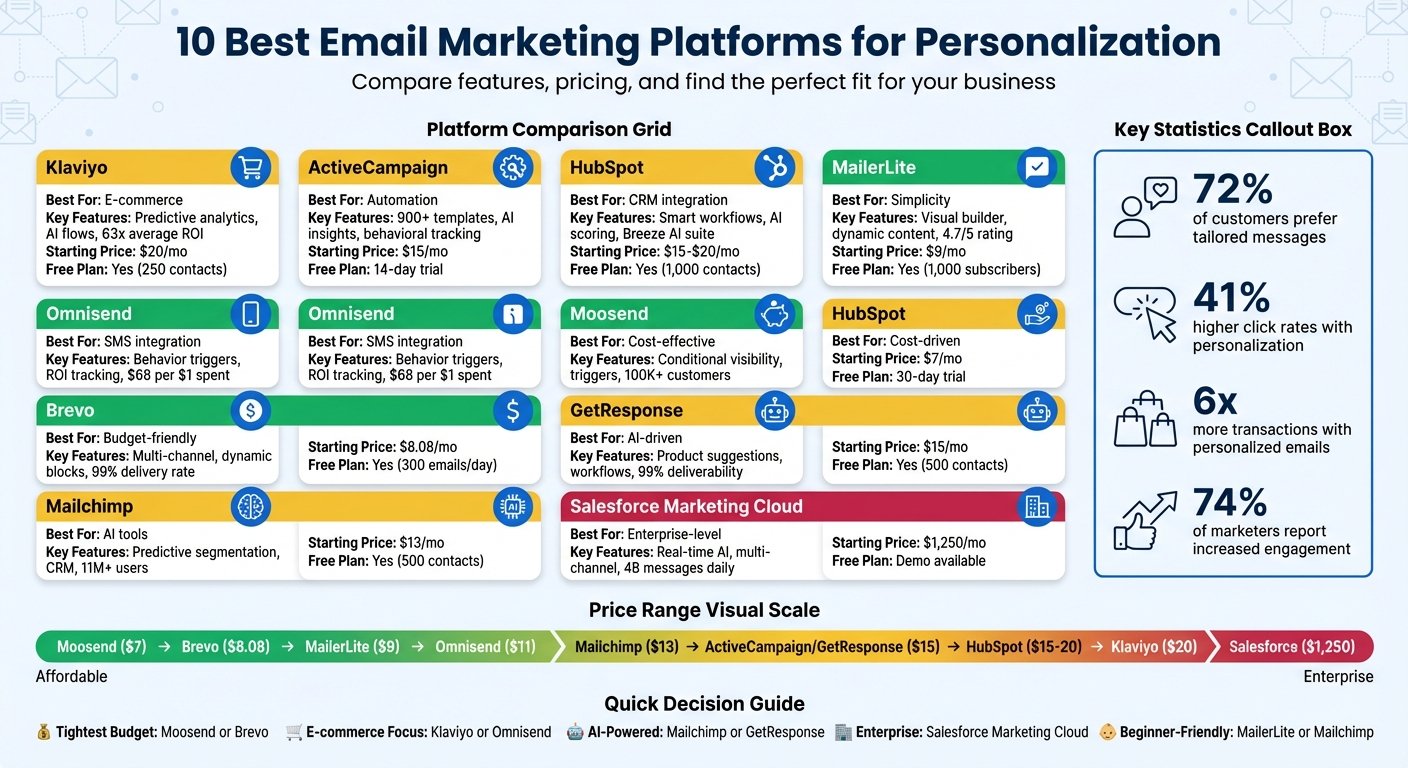
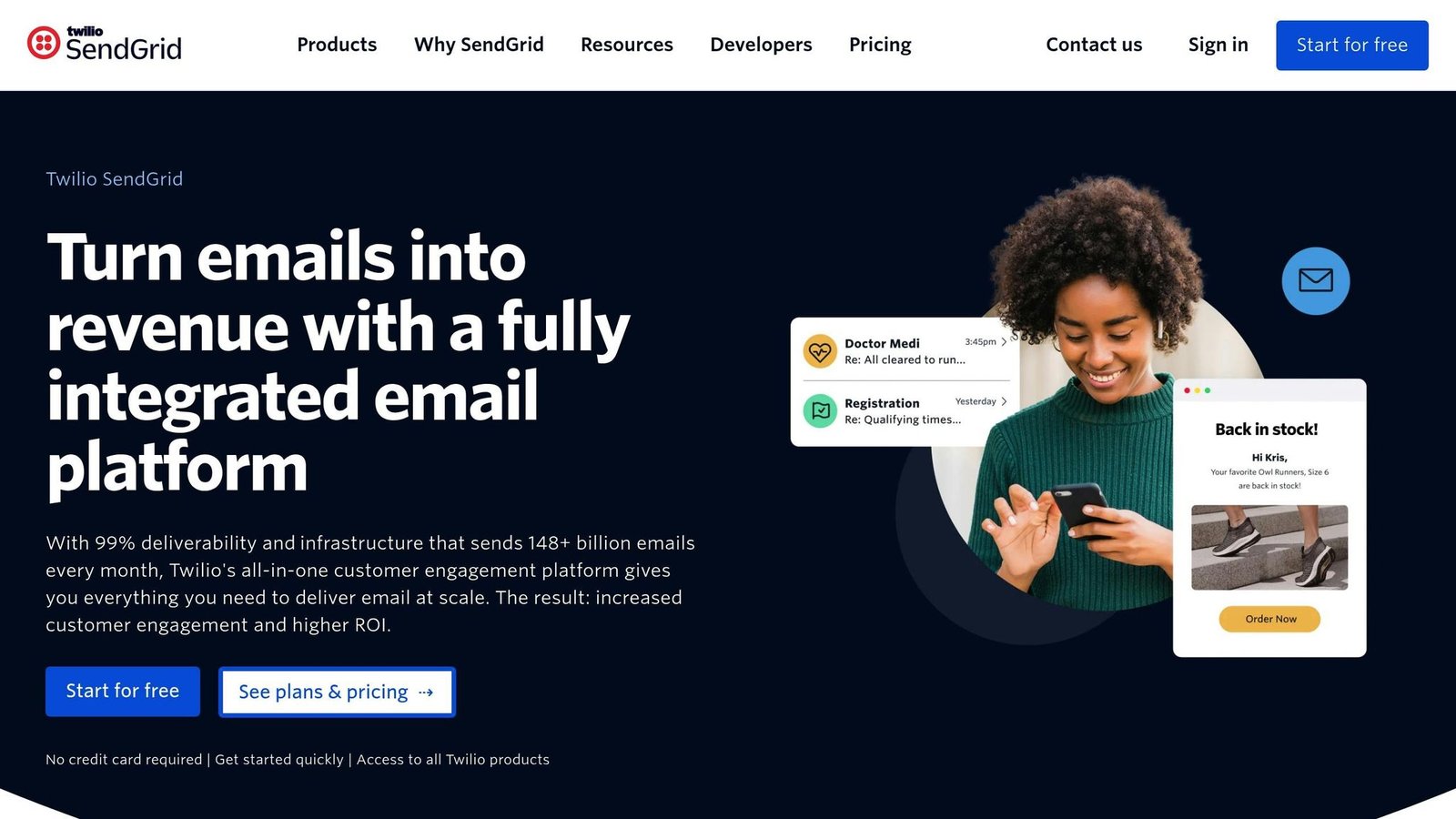
If your priority is selling physical products online, an ecommerce-first platform such as Klaviyo or Omnisend will give you far better store integration and revenue reporting. If you want writing and paid subscriptions bundled with hosting and discovery, Substack or Ghost cover that with less setup, at the cost of automation control. If you need email plus a sales pipeline and SMS in one bill, a broader tool such as Brevo or ActiveCampaign fits better. Kit is the right answer when the audience itself is the business and you want the email side to be quick to run.
Pricing, plan limits and transaction fees change over time. Check Kit’s own pricing page before deciding.
Further reading
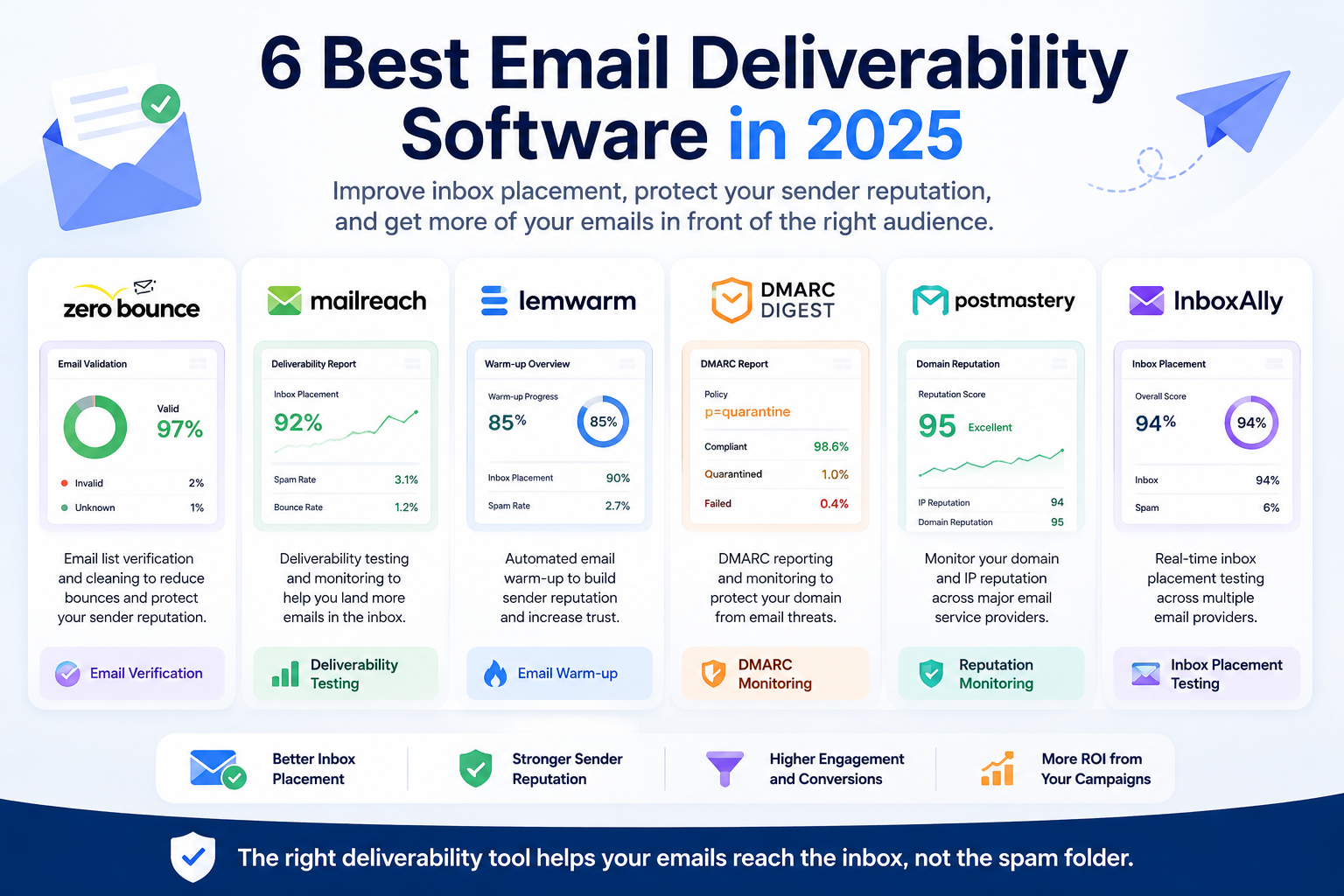
- Best Email Deliverability Tools for Businesses in 2026 — landing in the inbox is the whole point of a text-first newsletter tool like Kit.
- 10 Best Email Marketing Platforms for Personalization — compares the tag and segment models Kit builds its whole subscriber database around.
- 10 Best Email Marketing Tools 2024: Automation ‘ Analytics — wider comparison for the automation and reporting Kit keeps deliberately light.
Have you used ConvertKit?
One sentence is enough. Would you pick it again, and why or why not? We publish the critical reviews too — that is the point.