
Employee reward tools help small businesses recognize achievements, improve morale, and reduce HR workload. They simplify recognition through automation, offer affordable options, and provide insights into team engagement. Here’s a quick summary of top tools to consider:
- Connecteam: free for up to 10 users; paid hubs from $29 a month billed yearly, covering the first 30 users.
- Bravo: $39 a month flat for up to 10 employees, plus a $299 one-off setup fee.
- BuddiesHR: free forever under 10 employees; paid plans from $1 per employee a month.
- Applauz: from $3.75 per licence a month on annual billing. No free plan. Slack integration.
- Nectar: no published rates and no free plan. Quote only.
Quick Comparison
| Tool | Free Plan | Starting Price | Key Features | Integration Options |
|---|---|---|---|---|
| Connecteam | Yes (up to 10 users) | $29/mo billed yearly, first 30 users, per hub | Custom rewards, mobile-friendly | None specified |
| Bravo | No (7-day trial) | $39/mo flat, up to 10 employees, plus $299 setup | Points-based rewards, analytics | HR systems |
| BuddiesHR | Yes (under 10 employees) | $1/employee/mo for one app | Peer recognition, team challenges | Custom integrations (paid) |
| Applauz | No | $3.75/licence/mo, annual billing | Global marketplace, pulse surveys | Slack, Microsoft Teams |
| Nectar | No | Not published | Peer recognition, analytics | Slack |
Every price here was checked against the vendor’s own pricing page in August 2026. Recognition vendors change plans and repackage tiers often, so confirm the current rate before you budget. Reward redemptions are almost always billed on top of the platform fee.
Choosing the right tool depends on your team size, budget, and recognition needs. Look for simple setup, mobile access, and data tracking to make recognition effective and manageable.
What to Look for in Employee Reward Tools
When choosing tools for employee recognition, it’s essential to prioritize affordability and ease of use. To help you make the right decision, here are some key features to keep in mind:
Budget-Friendly Pricing Plans
Opt for tools that fit your budget without sacrificing functionality. Many platforms offer free trials or demos – take advantage of these to ensure the tool meets your needs before committing.
Simple Setup and User-Friendly Interface
A tool with an intuitive design can save time and reduce the need for extensive training. Look for features like clear instructions, customizable templates that align with your company values, and role-based access controls to simplify management.
Scalability and System Integration
As your company grows, your reward tool should grow with it. Make sure it integrates with platforms you already use, such as Slack, Microsoft Teams, or your HRIS. Automated recognition features can also help reduce the workload for HR teams, making the process more efficient.
Mobile Access and Customization
A mobile-friendly interface or dedicated app ensures employees can engage with the platform anytime, anywhere. Customization options are also important for tailoring the tool to reflect your company’s culture and values.
Data Tracking and Reporting
Analytics are crucial for evaluating how well your recognition program is performing. Look for tools that track metrics like participation rates and recognition frequency. Features like real-time dashboards and scheduled reports can provide valuable insights for leadership and help you monitor engagement trends. Always test these capabilities during a free trial to ensure they meet your expectations.
Best Employee Reward Tools for Small Businesses
Here’s a look at some top employee reward tools that combine affordability, ease of use, and effective recognition features. Each tool is designed with small businesses in mind, offering a mix of pricing options and features to suit different team sizes and budgets.
Connecteam
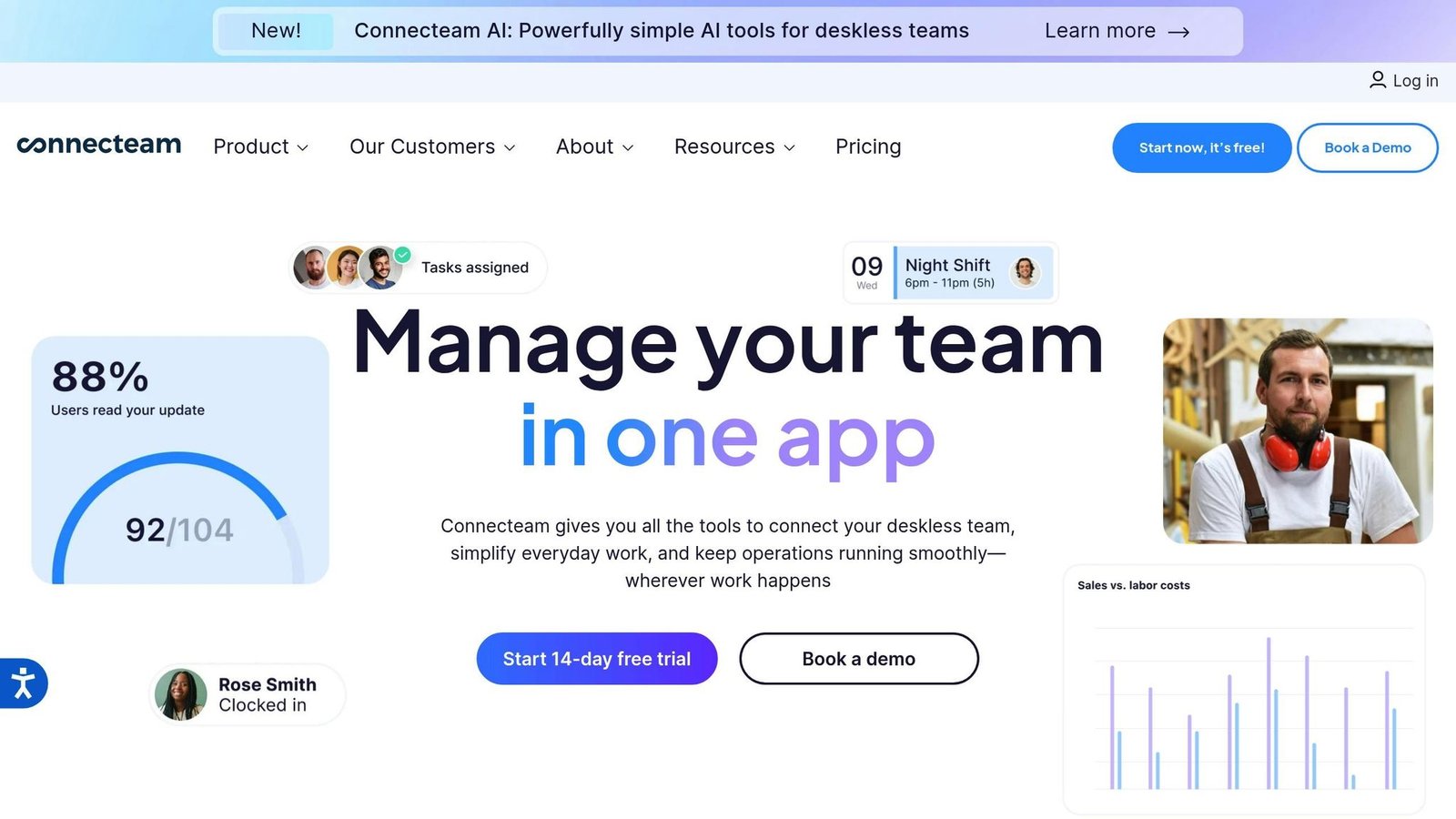
Connecteam is a workforce management platform with employee recognition built in. Managers can create customized rewards, distribute gift cards, and track recognition history. Employees can also comment. The Small Business plan is free for life for up to 10 users, which is the reason most very small teams look at it at all. There is a second free tier, Limited, for teams under 30 users, with fewer features.
Above that, Connecteam charges per hub rather than per platform. The Basic tier of a hub is $29 a month billed yearly, or $35 a month if you pay month to month, and that covers the first 30 users. Extra users on Operations Hub Basic are $0.80 each a month on annual billing. Advanced is $49 and Expert $99 a month on the same yearly basis. If you need recognition plus scheduling plus HR, you are paying for more than one hub, so read the hub breakdown before assuming $29 is your bill.
Bravo
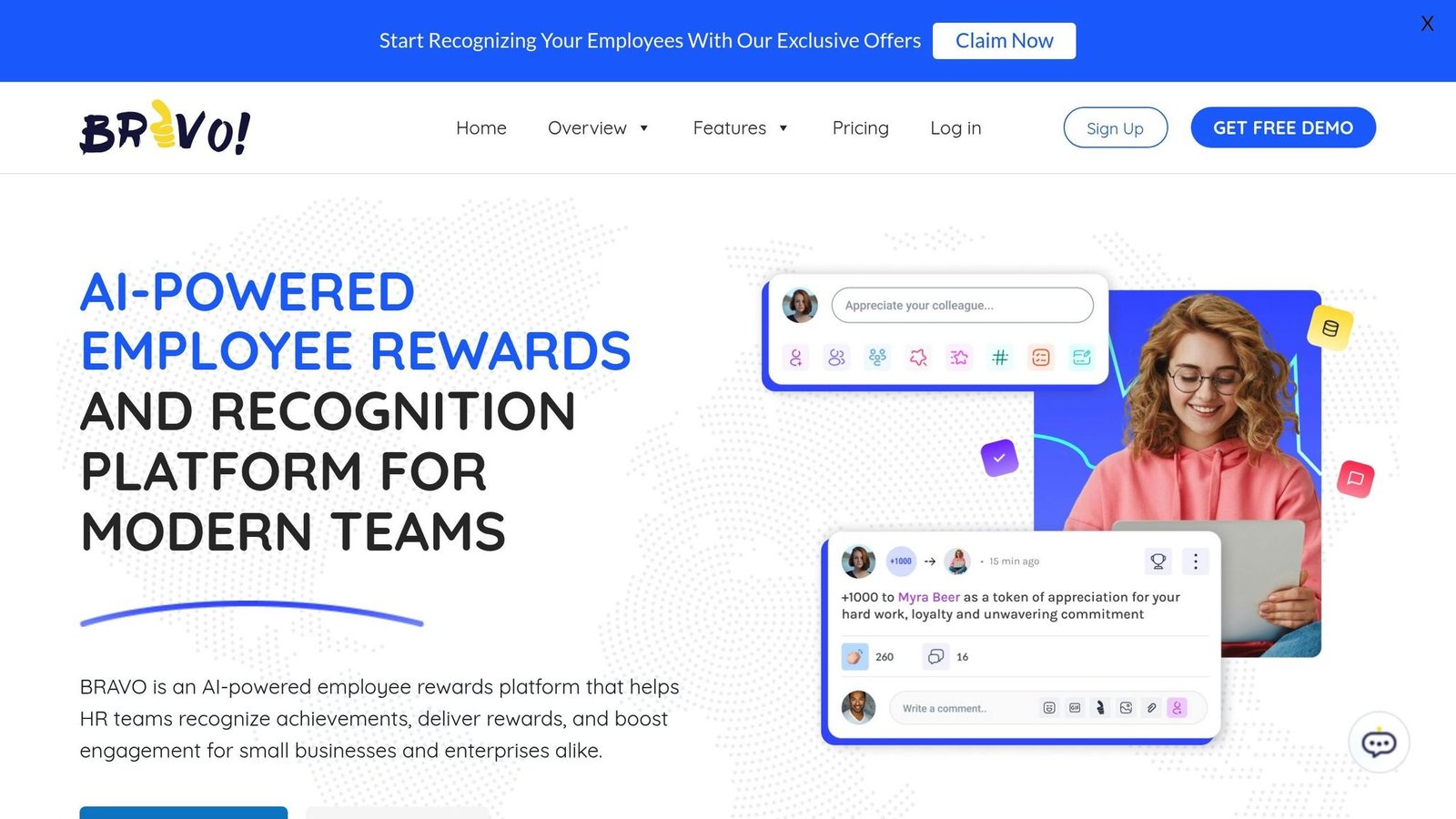
Bravo runs on real-time feedback and a points-based rewards system. Employees redeem points for prizes, and managers track engagement through reports. It connects to existing HR systems.
Starter is $39 a month as a flat fee for up to 10 employees, with a $299 one-off setup charge. Growth is $79 a month for up to 20 employees, with a $399 setup charge. Above 20 employees you are into Enterprise, which is quoted, with a $599 setup charge. The setup fee is the part small teams miss: on Starter it is more than seven months of subscription before you have sent a single reward. Reward redemptions are billed separately on actual usage.
BuddiesHR
BuddiesHR encourages peer-to-peer recognition, letting colleagues nominate and celebrate each other’s achievements. It also includes team challenges and a flexible rewards system.
The free tier is smaller than it is often reported to be: free forever for teams under 10 employees, not 30. Past that, a single BuddiesHR app is $1 per employee a month. The Culture OS bundle, which covers all the culture apps, is $2 per employee a month on yearly billing, and Culture and Performance is $3 per employee a month on the same basis. Monthly billing costs more; the vendor quotes a 20 per cent discount for paying yearly. There is a 30-day trial on the paid plans.
Applauz
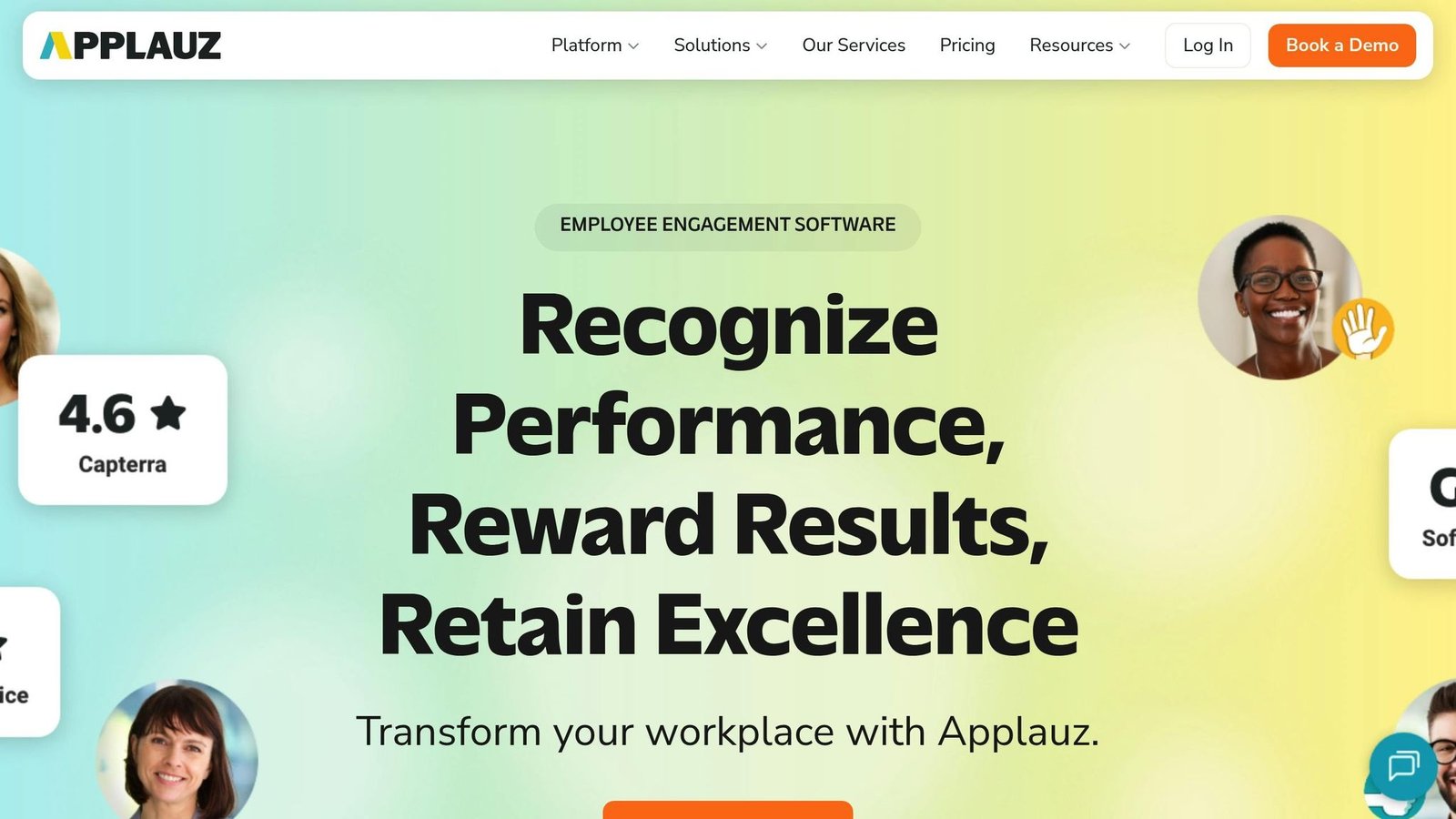
Applauz offers peer-to-peer recognition, a points-based rewards system with a global rewards marketplace, custom digital badges, and automated pulse surveys with analytics. It integrates with Slack and Microsoft Teams. Applauz describes the marketplace as thousands of physical and digital options; it does not publish an item count, and an earlier version of this article gave one that we could not source.
There is no free plan. Recognition Starter is $3.75 per licence a month, Engagement Essentials $5.25 and Experience Pro $6.50, all quoted as monthly figures on annual billing. Separate gifting plans cover work anniversaries at $3 per licence a month and service awards at $12 per celebration. Applauz says it imposes no minimum spend or user count, but onboarding fees apply and vary with headcount, so ask for that number in writing.
Nectar
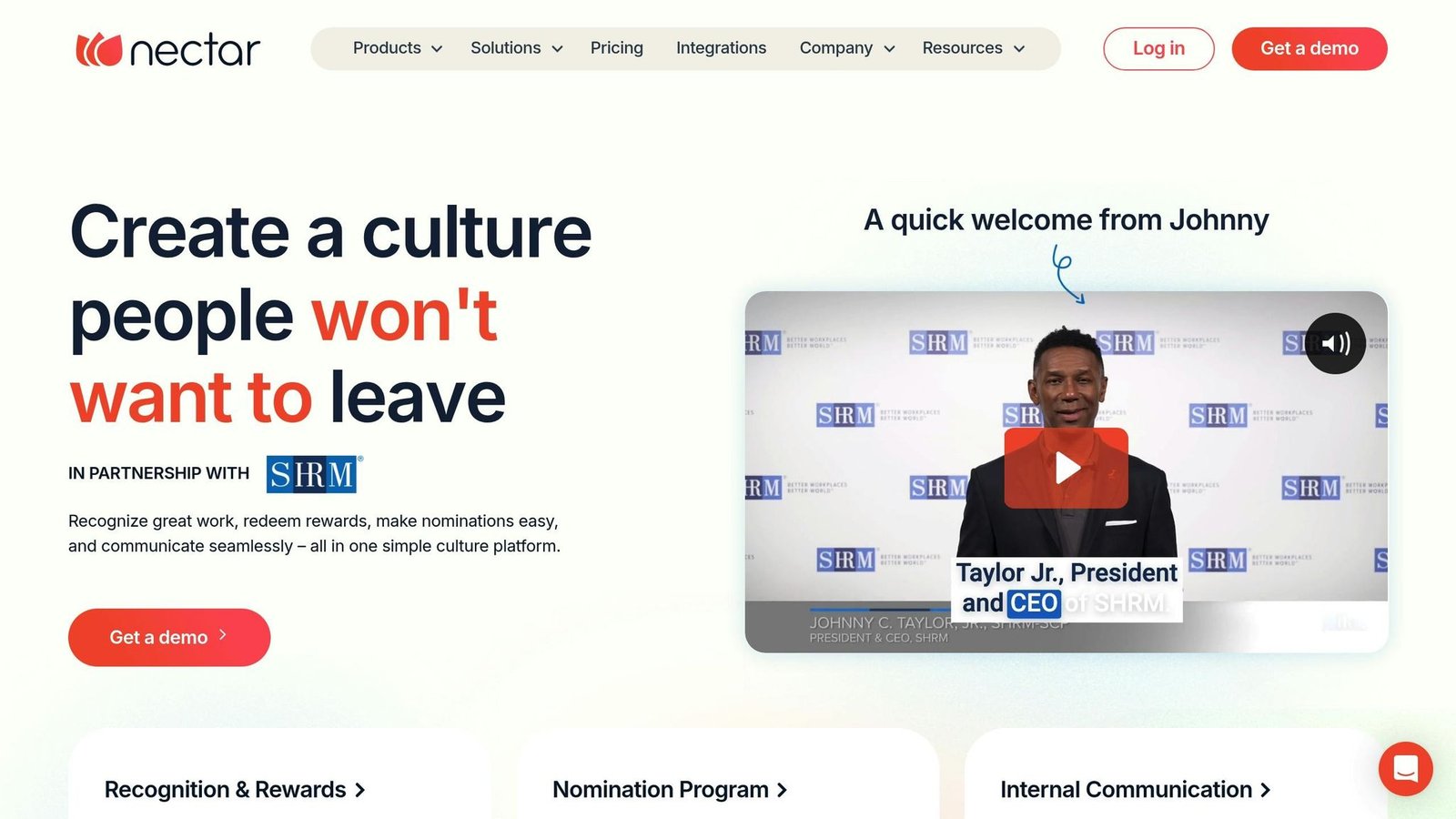
Nectar has strong peer recognition and a solid Slack integration, which makes it easy for team members to acknowledge each other without leaving chat. There is no free plan.
Nectar does not publish prices. As of August 2026 the pricing page sells bundles – Nectar Recognize on its own, or Recognize combined with Nectar Engage, Nectar Comms, or both – and every one of them routes to a “Get pricing” form. Earlier versions of this article quoted per-employee rates and an annual minimum for Nectar. We could not find those figures on Nectar’s own site, so they have been removed. Treat Nectar as a quoted purchase: get the per-employee licence cost, the platform minimum, and the reward funding model in one written quote before comparing it with anything else here.
With a range of pricing and features, these tools offer small businesses the flexibility to choose options that align with their team size and budget. Whether you’re managing a small team or planning for growth, there’s a platform here to help streamline recognition and HR tasks.
How Employee Reward Tools Improve HR Operations
Building on the features already discussed, employee reward tools bring a new level of efficiency to HR operations by simplifying day-to-day tasks. These platforms not only automate time-consuming processes but also create better experiences for both managers and employees. The benefits go beyond just recognition – they reshape HR workflows and provide actionable insights that can guide smarter business decisions.
Less Manual Work for HR Teams
Traditional employee recognition often involves a lot of manual effort – think spreadsheets, paper forms, and tedious tracking systems. With automated platforms, HR teams can say goodbye to these outdated processes and focus on more strategic tasks. No more manually tracking recognition, calculating points, or juggling multiple databases.
Automation takes over the entire reward process, from assigning points to fulfilling prizes. Forget about buying physical gift cards or coordinating with vendors – these tools handle it all. This shift cuts down on administrative tasks, freeing up HR professionals to concentrate on initiatives that drive company growth.
Additionally, these platforms offer real-time spending tracking and automated budget controls, ensuring rewards are distributed fairly and within budget. Automated reports simplify expense tracking and compliance, removing the hassle of manual calculations. This efficiency also makes instant recognition – discussed below – easier than ever.
Instant Feedback and Recognition
Timely recognition is key to keeping employees motivated. Traditional programs often delay acknowledgment, which can weaken its impact. Employee reward tools fix this by allowing immediate recognition of great work.
Managers can celebrate achievements within minutes, reinforcing the connection between performance and acknowledgment. Employees receive instant notifications, creating a ripple effect of positivity and motivation.
These tools also encourage peer-to-peer recognition, enabling team members to acknowledge each other’s efforts without waiting for formal reviews or managerial approval. This fosters a culture where recognition becomes a natural, frequent part of daily interactions, rather than something reserved for annual ceremonies or performance reviews.
Immediate feedback also helps managers address issues early. Recognizing good work and providing constructive feedback in real time can prevent small problems from escalating, maintaining team morale and productivity.
Data-Driven Insights
Employee reward tools don’t just streamline recognition – they offer valuable insights that help small businesses make smarter HR decisions. These platforms track patterns in recognition, employee engagement, and reward preferences, providing data that would be nearly impossible to gather manually.
Recognition analytics can shine a light on which employees are frequently acknowledged and which might be overlooked. This ensures fair recognition and can identify high performers ready for more responsibilities. It can also pinpoint teams or departments that may need extra attention or support.
Engagement metrics reveal how employees respond to different types of recognition. For example, data might show that flexible work options are more appreciated than traditional rewards like gift cards. Armed with this information, businesses can fine-tune their recognition programs to align with employee preferences and maximize impact.
The reporting features also bolster performance management and strategic planning. HR teams can track trends in satisfaction, measure the success of recognition initiatives, and demonstrate the return on investment (ROI) of these efforts to company leadership. For small businesses, these insights are especially valuable. Instead of relying on guesswork, owners can use hard data to understand what drives their teams and make informed decisions that help them compete with larger companies.
How to Pick the Right Employee Reward Tool
Choosing the best employee reward tool starts with understanding your team’s needs and your budget. Think about where your team is now and where it’s headed – this will help you find a tool that fits both your current situation and future growth. Balancing cost and functionality is especially important for smaller businesses looking to simplify HR tasks.
Review Team Size and Budget Limits
Begin by taking a close look at your team size and budget. Many reward platforms base their pricing on the number of users, so it’s a good idea to know your current headcount and any expected growth. Don’t forget to account for all expenses, including subscription fees, setup or integration costs, and the actual rewards you’ll be giving out. If your team works remotely or across multiple locations, look for tools that make managing users easy and flexible.
Conclusion
Employee reward tools are a practical fix for small businesses aiming to strengthen their teams and improve workplace culture. As we’ve highlighted, the right platform can make recognizing achievements easier, boost morale, and simplify HR tasks – all while respecting budget limitations.
Finding the right balance between cost, usability, and impact is key. The tools we’ve discussed each bring something different to the table, whether it’s strong communication features, flexible reward options, or all-in-one solutions. The goal is to pick a platform that aligns with your current needs, fits your budget, and offers the potential to grow alongside your business.
Keep in mind, the priciest option isn’t always the best. Focus on what your team truly needs – whether that’s instant recognition, detailed reporting, or mobile-friendly access. Free trials can be a great way to test a tool’s fit before committing. A well-chosen platform can help you create an engaged, motivated workforce without stretching your resources too thin.
Investing in employee recognition isn’t just good for morale; it’s good for business. Just be honest about the total: subscription, setup fee, and the money that actually goes into the rewards. The third one is usually the largest, and it is the one that never appears on a pricing page.
FAQs
What are the benefits of using employee reward tools for small businesses?
Employee reward tools bring a host of advantages to small businesses, directly influencing workplace culture and overall performance. By acknowledging and rewarding employees for their efforts, these tools help lift morale, enhance productivity, and lower turnover rates. They also contribute to creating a more uplifting and supportive work environment, which can lead to higher job satisfaction and less burnout.
On top of that, such systems play a key role in attracting and keeping top talent, increasing employee engagement, and encouraging loyalty. For small businesses, they provide a cost-effective way to cultivate a motivated, high-performing team while laying the groundwork for long-term success.
How can employee reward tools work with platforms like Slack or Microsoft Teams?
Employee reward tools are often designed to work inside platforms like Slack and Microsoft Teams, using built-in apps or plugins. These integrations let employees share recognition, celebrate accomplishments, and even redeem rewards – all within the communication tools they already rely on daily.
By embedding recognition features directly into these platforms, these tools make it simple to build a culture of appreciation without interrupting the flow of work. Popular features include peer-to-peer shoutouts, milestone celebrations, and instant rewards, all tailored to keep the experience smooth and meaningful.
What should small businesses look for in an employee reward tool to ensure it fits their needs now and in the future?
When selecting an employee reward tool, small businesses should prioritize simplicity, cost-effectiveness, and integration with their current systems. Choose tools that allow for customization and can automate tasks like celebrating employee milestones or acknowledging achievements.
Equally important is finding a tool that reflects your company’s values and offers thoughtful ways to reward employees – think personalized recognition or well-defined award criteria. Taking the time to gather input from your team about their preferred reward methods can go a long way in promoting engagement and long-term satisfaction.
More on this topic
Browse all 52 articles on HR & People Ops.