Quick facts
| Best for | Distributed and hybrid teams, agencies and consultancies working across multiple projects. |
|---|---|
| Category | Communication and Meetings |
| Pricing from | USD 7.25 per user / month, when paying annually |
| Free plan | Yes |
| Team size | 2-10, 11-50, 51-200, 200+ |
| Last verified | 18 August 2026 — how we verify |
Quick verdict
Consider it if: You need conversation history to be findable and want shared channels with clients or suppliers.
Look elsewhere if: You are small and co-located, already pay for Microsoft 365, or need a knowledge base or project tracker.
Compiled from the vendor’s own documentation and pricing pages, checked on the date above. We have not tested this product hands-on. How we evaluate software.
Compare Slack with Microsoft Teams and Zoom · Not sure what you need?
Slack is a messaging platform for teams, organised around channels rather than individual inboxes. Conversations live in named channels by project, client or topic, so anyone who joins can read back rather than asking to be forwarded an email chain. Around that core it has calls, shared documents, no-code automations and connections to a large catalogue of other business software. It is now owned by Salesforce, which shapes its direction and its enterprise features.
What you can actually do with it
Most teams use a fraction of it. The parts that change day-to-day work are these.
- Organise work in channels. Create public or private channels per project or customer, so context is searchable later instead of buried in private messages.
- Start quick calls. Huddles let you drop into audio or video with screen sharing without scheduling a meeting, and clips let you record a short update for people in other time zones.
- Work with outside organisations. Slack Connect gives clients, agencies or suppliers a shared channel rather than a long email thread, with the admin controls to limit who can do that.
- Write and track things in place. Canvases hold documents and checklists alongside a channel, and lists give lightweight task tracking for small pieces of work.
- Automate routine steps. Workflow Builder handles requests, approvals and onboarding checklists without code, triggered by a form, an emoji or a new channel member.
- Connect your other tools. Thousands of apps push notifications and actions into channels, from Google Drive and Jira to your CRM and monitoring systems.
- Search and summarise. Search spans messages and files, and AI features can summarise long threads or catch you up on a channel, subject to plan and admin settings.
Who it fits best
It fits teams from a handful of people upwards who work across multiple projects and need conversation history to be findable. Distributed and hybrid teams get the most from it, as do agencies and consultancies that want shared channels with clients. It also suits technical teams who want alerts and deployments visible where people already talk.
It fits less well for very small co-located teams who can just talk to each other, for organisations already committed to Microsoft 365 where Teams comes bundled, and for work that is mostly external correspondence with customers who expect email. It is also a poor fit as a knowledge base: important decisions scroll away unless someone deliberately writes them down elsewhere.
Things worth knowing before you commit
- The free plan limits history. Older messages and files stop being accessible on the free tier, which matters if you plan to use Slack as a record. Check the current limit before relying on it.
- Cost is per active user. Charges scale with headcount, and guests, external collaborators and inactive accounts all need managing to avoid paying for people who left.
- It creates real interruption pressure. Without agreed norms on notifications, channel naming and response expectations, teams end up more distracted, not less. The tool will not impose that discipline for you.
- It is not a project tracker. Lists and canvases help, but anything with dependencies, deadlines and reporting still needs a dedicated project tool alongside it.
- Compliance features sit in higher tiers. Data retention policies, export controls, single sign-on and encryption key management are tied to the more expensive plans, so factor that in if you have regulatory obligations.
Alternatives to compare it against
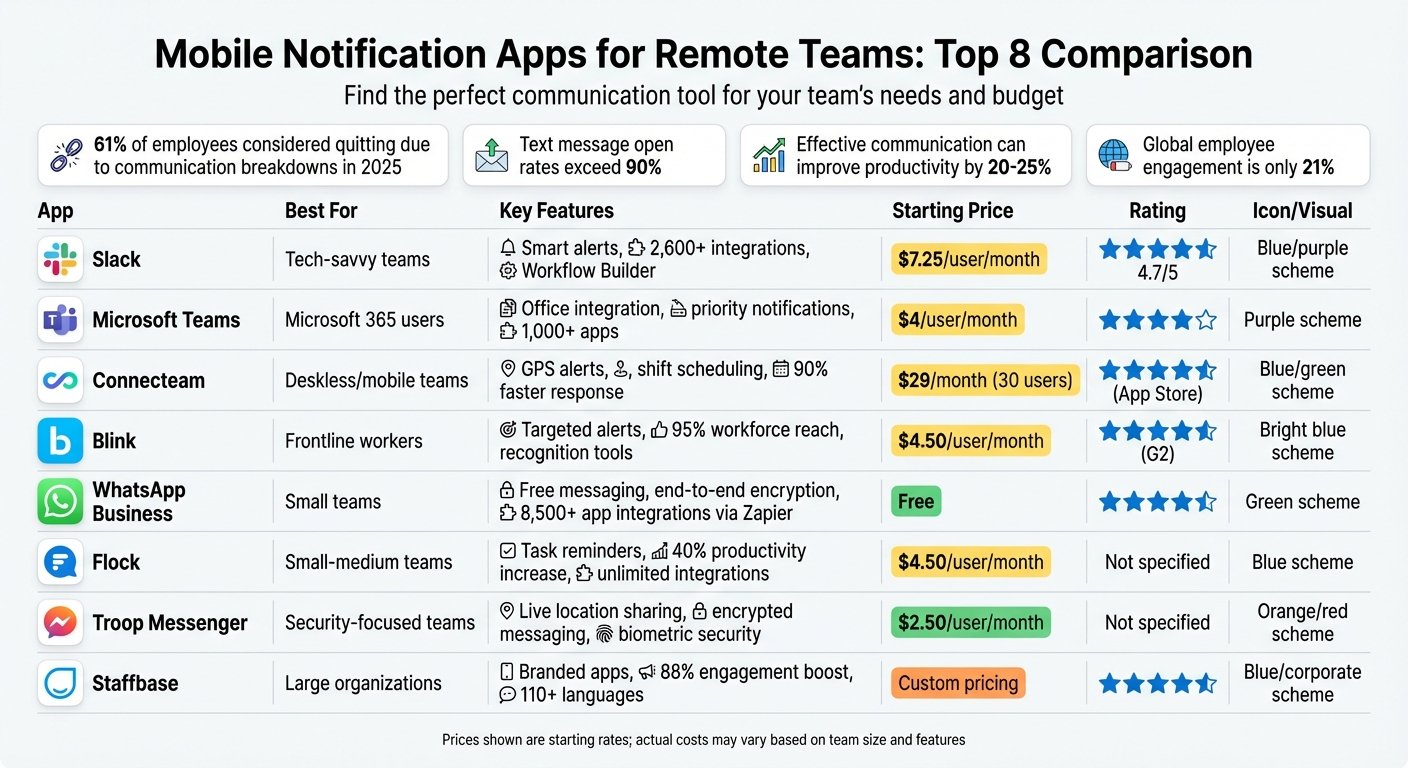
Microsoft Teams is the main comparison and usually wins on cost if you already pay for Microsoft 365, at the price of a heavier interface. Google Chat makes similar sense inside Google Workspace. Discord is cheaper and works for communities and informal teams but lacks business administration and compliance controls. If asynchronous, written communication matters more than chat, tools like Basecamp or Twist deliberately slow things down and may suit better. And if your main need is customer conversations rather than internal ones, a shared inbox or help desk is the right category to look at instead.
Plan limits, retention rules and pricing change regularly. Check Slack’s own pricing page for the current details before deciding.
Further reading
- Slack vs. Teams: Analytics Features Compared — detail on the Microsoft Teams comparison raised in the alternatives section.
- Slack vs Zoho Cliq: Task Management Comparison 2024 — tests the lightweight task tracking Slack’s lists provide against a rival.
- Workplace from Meta vs Slack: Social Networking Tools — a different model for company-wide internal communication.
- Best Team Collaboration Tools for Remote Work — the wider category for distributed teams weighing channels against alternatives.
- How User Analytics Boosts Team Chat Efficiency — useful for setting the channel and notification norms this page warns about.
Have you used Slack?
One sentence is enough. Would you pick it again, and why or why not? We publish the critical reviews too — that is the point.