Quick facts
| Best for | Small to mid-sized B2B sales teams, roughly 2-50 reps, selling through a defined process. |
|---|---|
| Category | CRM and Sales |
| Pricing from | US$14 per seat per month, billed annually (US$168 per seat/year) |
| Free plan | No |
| Free trial | 14 days |
| Team size | solo, 2-10, 11-50 |
| Last verified | 18 August 2026 — how we verify |
Quick verdict
Consider it if: Pipeline visibility and rep adoption matter more than breadth, or founder-led sales has outgrown a spreadsheet.
Look elsewhere if: Sales is transactional and self-serve, or you need marketing automation, support and billing in one system.
Compiled from the vendor’s own documentation and pricing pages, checked on the date above. We have not tested this product hands-on. How we evaluate software.
Compare Pipedrive with HubSpot and Zoho CRM · Not sure what you need?
Pipedrive is a sales CRM organised around a visual deal pipeline, built so that a small sales team can see what to do next without a manager chasing them. It started in Estonia as a tool built by salespeople who disliked the CRMs they were given, and that origin still shows: the drag-and-drop pipeline is the home screen, and almost everything else in the product exists to keep deals moving through it. It is a sales tool first, with marketing and project features available around the edges.
What you can actually do with it
Most teams set up one or two pipelines, connect email, and let the activity reminders drive the day.
- Run deals through custom pipelines. Define your own stages, drag deals between them, and see rotting-deal warnings when something has sat untouched too long.
- Track contacts and organisations. People, companies, notes, files and call logs sit against each deal, with custom fields for the data your business actually cares about.
- Sync and send email from the CRM. Two-way sync with Gmail and Outlook, templates, open and click tracking, and group email so follow-up does not live in a separate inbox.
- Automate the busywork. Workflow automation creates activities, updates fields, sends emails and notifies people when a deal changes stage, plus webhooks and an open API for anything custom.
- Report and forecast. Customisable dashboards cover conversion by stage, activity volume, deal velocity and revenue forecasts, with goals you can set per person or team.
- Add capability through modules. Optional extras cover email campaigns, lead capture chatbots and forms, quote and document tracking, website visitor identification and lightweight project delivery after the deal closes.
Who it fits best
Pipedrive is a strong fit for small and mid-sized B2B sales teams, roughly two to fifty reps, who sell through a defined process with multiple touchpoints: agencies, recruiters, consultancies, manufacturers, software and professional services. It also works well for a founder-led sales effort that has outgrown a spreadsheet and needs reminders more than analytics.
It fits less well where sales is transactional and self-serve, where you need heavy marketing automation as the centrepiece, or where you want a single system also handling support tickets, billing and service delivery.
Things worth knowing before you commit
- The useful extras cost extra. Campaigns, lead generation tools, documents, visitor tracking and projects are add-ons on top of the seat price, so the real monthly figure is usually higher than the headline plan.
- Limits are tiered. Automation counts, custom fields, reports, permissions and email features are capped by plan, and teams often discover they need a higher tier once they start automating seriously.
- Pricing is per user. Every seat adds cost, which matters if you want non-sales staff to have visibility.
- Marketing depth is limited. The email campaign add-on is fine for simple sends but is not a substitute for a real marketing automation platform.
- It rewards discipline. The product assumes reps log activities and keep stages honest; without that habit the forecasts and reports mislead you.
Alternatives to compare it against
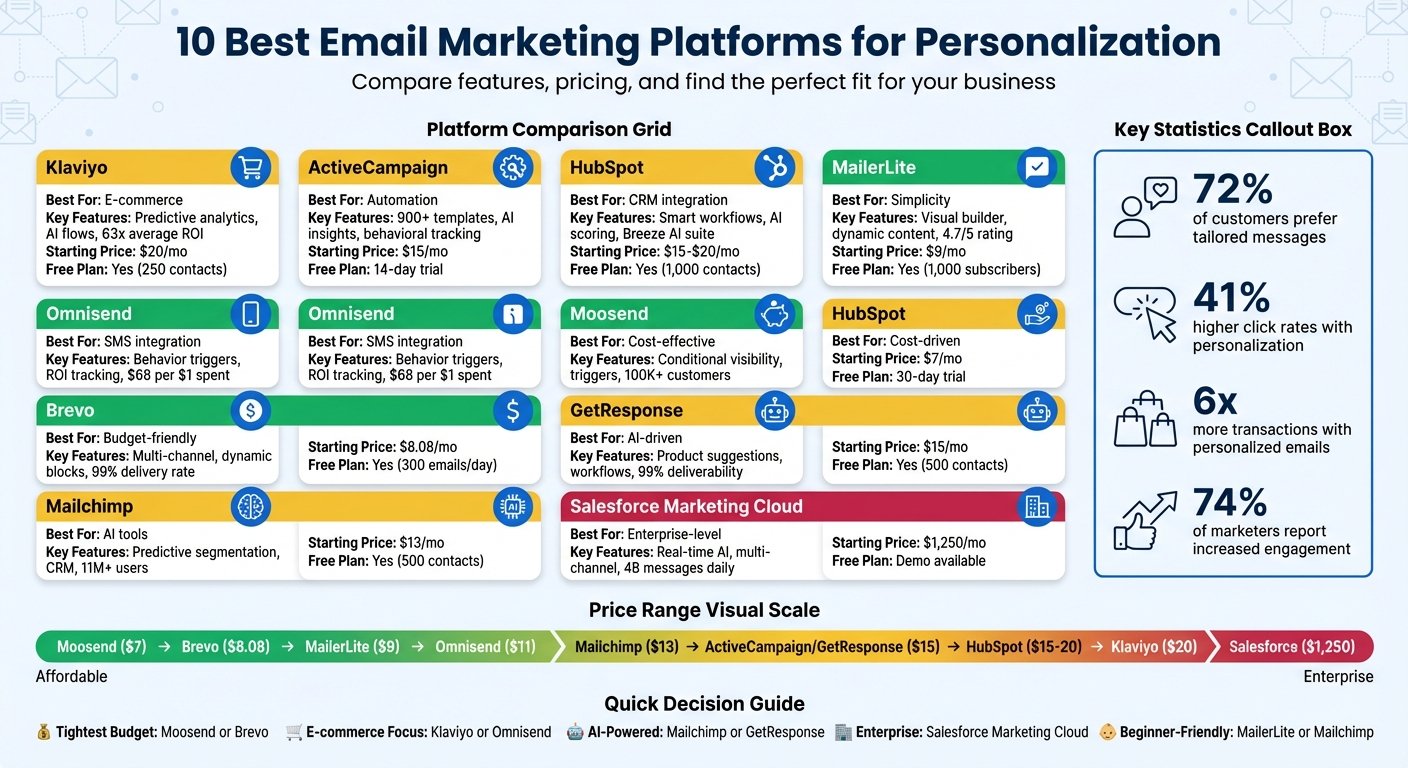
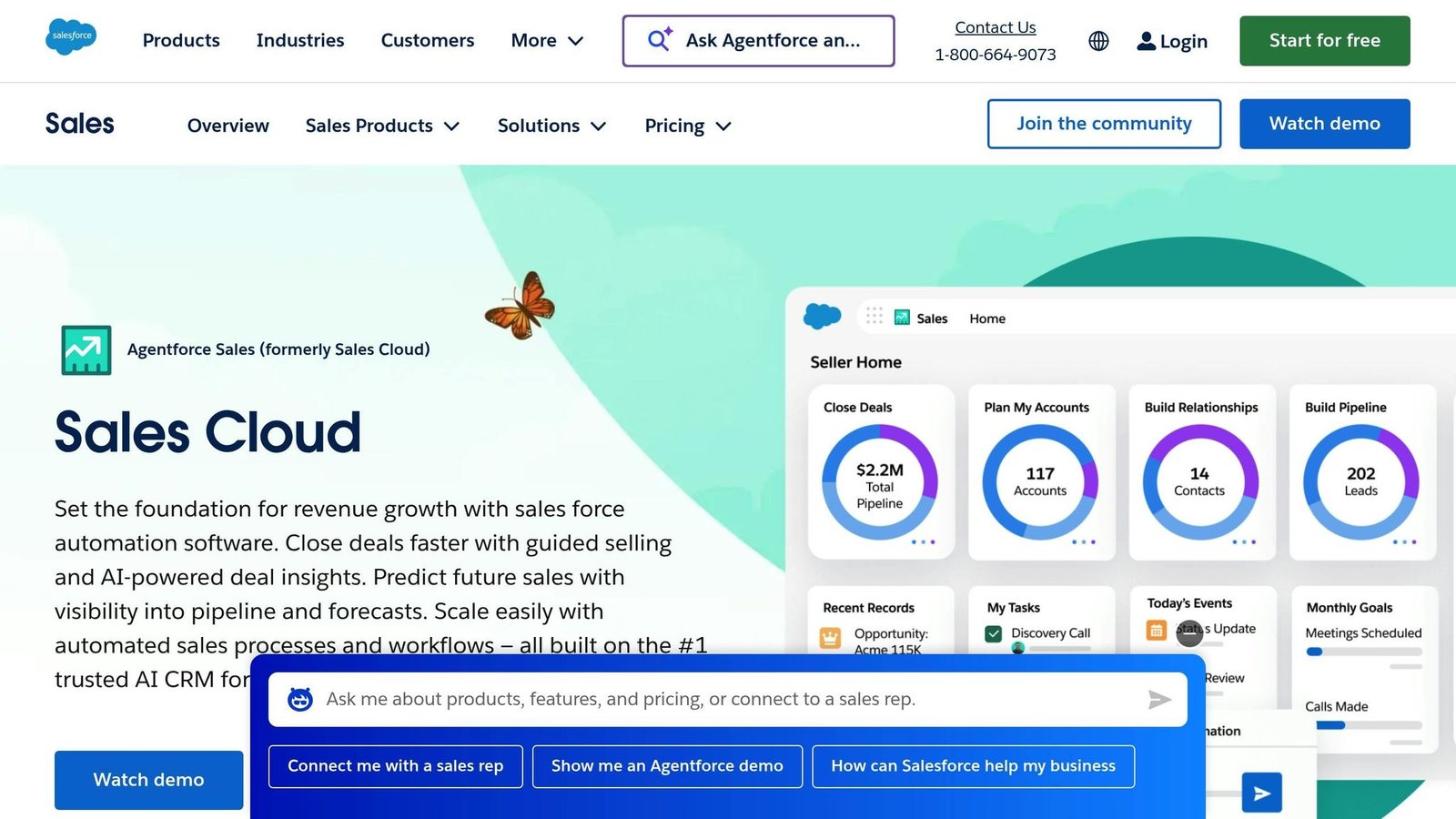
If you want sales and marketing tied together with a free entry point, HubSpot is the usual comparison, though costs climb sharply as you add hubs and contacts. If you need one system covering sales, support and operations with deep customisation, Zoho CRM or Salesforce give you more scope at the price of setup effort. If your sales is really follow-up-driven and simple, a lighter tool such as Less Annoying CRM or a well-built Airtable base may be enough. Pipedrive is the pick when pipeline visibility and rep adoption matter more than breadth.
Plan tiers, add-on prices and feature limits change over time. Check Pipedrive’s own pricing page before deciding.
Further reading
- Optimizing with Easy to Use CRM Software — speaks to the rep adoption problem Pipedrive’s whole design is built around.
- Cost Effective CRM for Small Business: Feature Analysis — useful when adding up seats plus Pipedrive’s separately priced add-ons.
- 7 Best CRM Software for Customer Interaction Tracking 2024 — compares how rival CRMs handle the email sync and activity logging Pipedrive relies on.
- Lead Scoring: 10 Best Practices for B2B Sales 2024 — helps decide which deals should enter the pipeline in the first place.
Have you used Pipedrive?
One sentence is enough. Would you pick it again, and why or why not? We publish the critical reviews too — that is the point.