Automated ticketing systems manage customer inquiries by turning them into trackable tickets and routing them to the right agent. This guide covers:
Key Benefits
- Faster response times through automated routing
- Increased efficiency and cost savings
- Improved customer experience with self-service options
- Data-driven insights for continuous optimization
Essential Features
- Smart ticket routing based on agent expertise and workload
- Omnichannel support across multiple channels
- Self-service knowledge bases and AI chatbots
- Automated workflows and task assignment
- Detailed reporting and analytics tools
Choosing the Right System
- Evaluate business size, ticket volume, and scalability needs
- Prioritize integration with existing tools and systems
- Consider budget, user-friendliness, security, and vendor support
Implementation Best Practices
- Careful planning and data migration
- Comprehensive team training and change management
- Ensuring data security and regulatory compliance
- Continuous performance monitoring and optimization
What Are Automated Ticketing Systems?
Ticketing Systems Explained
Automated ticketing systems are software tools that manage customer support requests. When a customer raises an issue through email, a web form, or chat, the system:
- Creates a ticket with a unique ID
- Routes the ticket to the right support team or agent
This reduces manual effort and shortens the time between a customer asking and someone qualified answering.
Manual vs. Automated Ticketing
| Manual Ticketing | Automated Ticketing |
|---|---|
| Manual data entry | Automated ticket creation and routing |
| Potential for misrouting tickets | Tickets assigned by rule to the right team |
| Lack of transparency | Customers can track ticket status |
| Inefficient processes | Reduced manual effort |
| Limited collaboration | Multiple agents can work one ticket |
| Basic reporting | Reporting on performance and satisfaction |
Benefits of Automated Ticketing
Faster and More Efficient
Automating ticket creation, routing, and assignment frees agents to work on the issues that need judgement.
Better Customer Experience
Self-service options, omnichannel intake, and automated responses to common queries reduce waiting.
The qualifier: this holds where the automation resolves the issue. Deflection that simply makes the customer work harder to reach a person produces worse satisfaction, not better, and the metrics will not show it because the ticket never got created.
Cost Savings and Scalability
Reduced manual handling and fewer errors let a smaller team cover more volume.
Be realistic about the total. Per-agent licences are only part of it. Implementation, data migration, integration work, and the time your team spends configuring and maintaining workflows are usually the larger share in year one.
Data-Driven Insights
Ticket data shows what customers repeatedly struggle with. The recurring tickets usually point at something fixable in the product or documentation, and fixing that beats answering the question faster.
Integration with Other Systems
| System | Benefit |
|---|---|
| CRM systems | Unified customer data |
| Billing and order systems | Agents can answer without switching tools |
| Knowledge bases | Consistent answers |
Key Features to Look For
Smart Ticket Routing
Routing assigns tickets by rule, based on agent expertise, workload, or availability. This is the feature that delivers most of the value, and it is worth checking how much routing logic you can configure yourself without vendor help.
Omnichannel Support
Managing email, chat, phone, and social in one place gives agents the full history of a customer rather than one channel’s slice of it. Check which channels are included in your tier: voice in particular is frequently a paid add-on rather than part of the base licence.
Self-Service Options
Knowledge bases and FAQs let customers resolve issues without a ticket. The limiting factor is content, not software. A knowledge base nobody maintains deflects nothing.
Automated Workflows
| Benefit | Description |
|---|---|
| Automate Tasks | Ticket assignment, escalation, and closure |
| Custom Workflows | Rules matched to how your team actually works |
| SLA tracking | Escalate before a target is breached rather than after |
AI-Powered Chatbots
AI assistants handle routine queries and route the rest. Most vendors now price AI features separately from the seat licence, often per resolution or per interaction, so a quoted per-agent price will not include them. Ask specifically.
Reporting and Analytics
Track response times, resolution rates, and satisfaction. Watch reopen rates too, since they expose tickets closed rather than resolved.
Choosing the Right System
Key Factors to Consider
-
Business Size and Ticket Volume
- Your current and expected support volume.
- Whether the system grows with you without a tier jump you cannot afford.
-
Integration Needs
- The tools you already use, named specifically.
- Whether those integrations are included or paid.
-
Scalability and Flexibility
- Customisable workflows, rules, and automation.
-
Budget and Pricing
- Per-agent cost, plus implementation and add-ons.
- What the price does at renewal.
-
User-Friendliness
- Agent interface quality, which drives handling time and therefore cost.
-
Reporting and Analytics
- Whether the reports you need are in your tier or the one above.
-
Security and Compliance
- Data residency, encryption, and any sector obligations you carry.
-
Customer Support and Training
- What support level comes with your tier. Some vendors sell 24/7 support as an upgrade.
Popular Systems Compared
About this table. An earlier version rated each product out of five and showed pricing as “$” or “$$”. The ratings had no source and have been removed; we do not publish scores we cannot attribute. The pricing below is taken from each vendor’s own pricing page and was checked in August 2026. All figures are per agent per month on annual billing unless stated. Confirm current rates with the vendor before budgeting, since these change frequently and vary by region.
| System | Key Features | Entry paid tier | Higher tiers | Free plan |
|---|---|---|---|---|
| Zendesk | Multi-channel support, AI features | Support Team, $19 per agent/month billed annually | Suite Team $55; Suite Professional $115; Enterprise by quote | No |
| Freshdesk | Workflow automation, self-service | Growth, $19 per agent/month billed annually | Pro $55; Enterprise $89 | No, 14-day trial |
| Zoho Desk | AI assistance, detailed analytics | Express, lowest entry price of the five | Standard, Professional, Enterprise | Yes, free edition for 3 users |
| Jira Service Management | Customizable workflows, deep Atlassian integration | Standard, $20 per agent/month | Premium $51.42 per agent/month; Enterprise by quote, annual only | Yes, up to 3 agents |
| LiveAgent | Real-time chat, multi-channel support | Small Business, $15 per agent/month billed annually (list) | Medium $29; Large $49; Enterprise $69 | No, 30-day trial |
Notes on the table, because the detail matters more than the headline number:
- Zendesk splits Support from Suite. The $19 Support Team plan is a ticketing product; the multi-channel Suite features most buyers are picturing start at the $55 Suite Team tier. Comparing Zendesk’s $19 against a competitor’s all-in entry plan is not a like-for-like comparison.
- Freshdesk no longer offers the free tier it was once known for. If you are working from an older article that mentions one, it is out of date.
- Zoho Desk displays prices in local currency by region, and the regional figures differ by more than exchange rates. We have not converted a rate we did not see for your market, so check Zoho’s pricing page with your own country selected. It does offer a genuinely free edition for three users, which is the most generous free tier here for a very small team.
- Jira Service Management was called Jira Service Desk until Atlassian renamed it in 2020. Its prices above are the monthly rates; Atlassian states annual billing saves up to 17%. It is the strongest choice if you already run Atlassian tools and an awkward one if you do not.
- LiveAgent figures are list prices. A promotional discount was running when we checked, which is common for this vendor. Do not build a budget on a promotional rate that expires at renewal.
Two things none of these tables ever capture: implementation effort, and what happens to your bill at renewal once your data is inside the system. Ask about both.
Implementation Guide
Planning and Getting Ready
Start by reviewing how you handle support requests now and what is going wrong. Define what the new system is meant to fix. Estimate current and future volume so you can size the tier honestly.
List the tools it must connect to, and the features you actually need rather than the ones that demo well. Set a timeline and name someone to own the project.
Moving Data and Connecting Systems
Plan the migration of customer records and ticket history carefully. Decide up front how much history you are moving; migrating everything is expensive and rarely necessary, and closed tickets older than a couple of years are seldom consulted.
Setting Up the System
Configure routing, escalation rules, and permissions to match how your team works. Resist recreating your old system’s quirks in the new one; a migration is the cheapest opportunity you will get to drop a process nobody could justify.
Training Your Team
Train agents on the features and the workflow, with hands-on sessions and material they can return to.
Testing and Launch
Test thoroughly before company-wide rollout, with real agents on real cases. Consider running the old and new systems in parallel briefly rather than switching overnight.
Keeping an Eye on Performance
Track response times and satisfaction after launch, and expect both to dip during the adjustment period. Collect agent feedback and tune the configuration.
Best Practices for Implementation
Managing Change
- Communicate clearly about what changes and why.
- Provide training and support through the transition.
- Address concerns, particularly where new reporting will make individual performance visible for the first time.
User Adoption
- Offer comprehensive training combining theory and practice
- Gather feedback and act on the usability complaints, which are usually correct
- Watch for workarounds: agents reverting to email or a spreadsheet is the clearest signal the configuration is wrong
Data Security and Compliance
| Security Measure | Description |
|---|---|
| Access controls | Agents see only what their role requires |
| Data residency | Confirm where tickets are stored if that matters to you |
| Retention policy | Tickets contain personal data and should not be kept indefinitely |
| Incident Response Plan | A defined process for a breach or data loss |
Continuous Improvement
- Monitor performance: response times, resolution rates, reopen rates
- Gather feedback from agents and customers
- Refine over time rather than treating the launch configuration as final
Advanced Optimization
Using Advanced Features
AI features can classify tickets, suggest replies, and draft knowledge base articles from resolved tickets. Check how these are billed before enabling them: usage-based AI pricing can make a predictable per-seat cost considerably less predictable.
Predictive Analytics
Forecasting ticket volume helps with staffing, particularly around launches and seasonal peaks. It needs enough history to be meaningful.
Automation Rules and Workflows
Automate the repetitive paths and review the rules periodically. Automation rules accumulate, and old ones that nobody remembers writing cause routing problems that are hard to diagnose.
System Integrations
| Integration | Benefit |
|---|---|
| CRM Systems | Customer context without switching tools |
| Project Management Tools | Escalate a bug without re-typing it |
| Billing systems | Answer account questions in one place |
Future Trends and Innovations
Conversational AI and Natural Language Processing
AI assistants increasingly handle first contact, classify intent, and route accordingly. The practical question is not whether they can respond, but whether they hand over cleanly when they cannot.
Internet of Things (IoT)
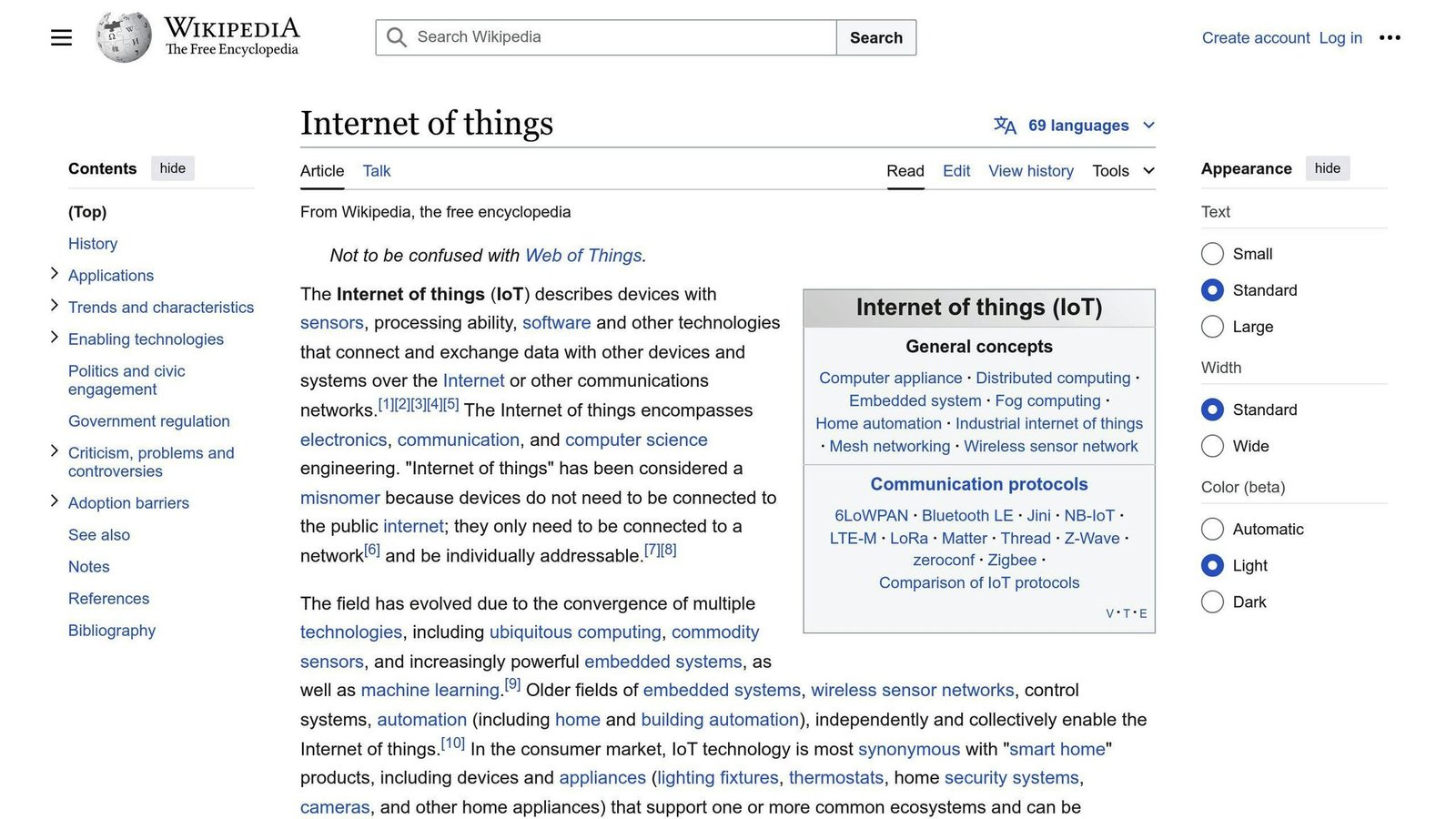
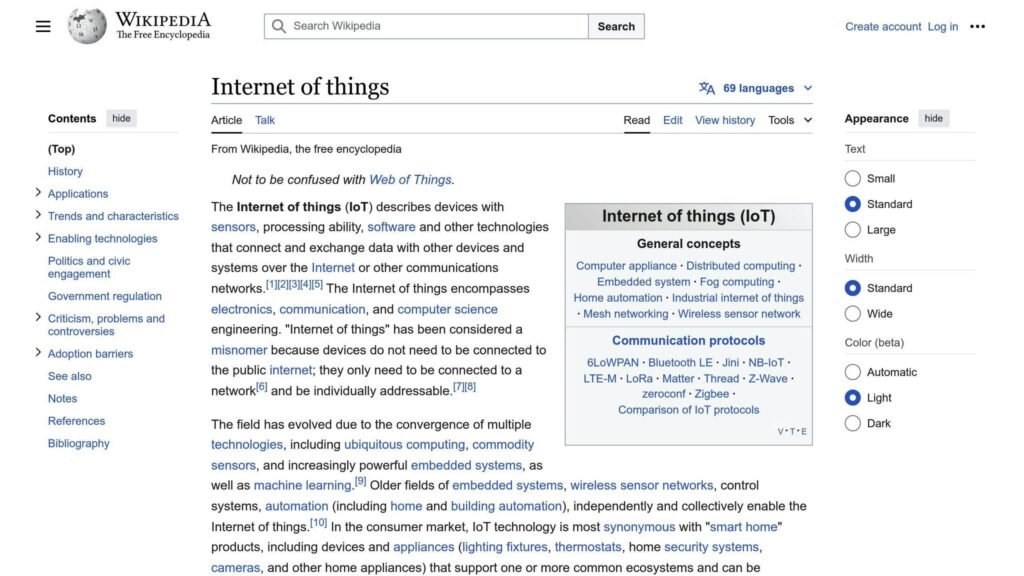
Connected devices can raise a ticket when they detect a fault, enabling support before the customer notices. This is genuinely useful where you sell hardware and largely irrelevant otherwise.
Augmented Reality (AR)

AR can overlay repair instructions on physical equipment, which has real value in field service. Treat it as a specialist capability rather than a general support trend; for most businesses it remains a demonstration rather than a deployment.
Future Predictions
| Prediction | Description |
|---|---|
| More Integration | Ticketing sitting inside a wider service platform |
| AI billed separately | Usage-based AI pricing alongside per-seat licences |
| Proactive Support | Issues raised before the customer reports them |
| Consolidation | Continued acquisition among helpdesk vendors, which affects long-term product roadmaps |
Conclusion
An automated ticketing system is worth buying when your support volume has outgrown a shared inbox, which for most teams happens sooner than expected. It is not worth buying because a competitor has one.
The practical shortlist:
- Already on Atlassian? Jira Service Management, and its free tier for three agents is a genuine option for a small team.
- Very small team on a tight budget? Zoho Desk’s free edition for three users, or LiveAgent’s entry tier.
- Need multi-channel from day one? Compare Zendesk Suite Team against Freshdesk Pro, which sit at the same $55 per agent per month on annual billing.
- Ticket-only, keeping costs down? Zendesk Support Team or Freshdesk Growth, both $19 per agent per month billed annually.
Prices checked August 2026 against each vendor’s own pricing page. They move, they vary by region, and AI features are usually extra. Get a written quote covering implementation, add-ons, and renewal before you commit.
FAQs
Why is automation important in a ticketing system?
It removes manual sorting and assignment, so tickets reach a qualified agent faster and nothing sits unclaimed in an inbox. The gain is largest where volume is high and the questions are repetitive.
How does the automated ticketing process work?
Tickets are distributed based on agent availability, expertise, and workload, using round-robin or rule-based routing. Good routing depends on accurate categorisation at intake, which is where most misrouting originates.
What is an automated ticketing system?
A helpdesk tool that turns support enquiries into trackable tickets, offers self-service for simple issues, and escalates the rest to the right person.
How much does a ticketing system cost?
Entry tiers among the five above ran from around $15 to $20 per agent per month on annual billing when checked in August 2026, with full-featured tiers between roughly $50 and $115 per agent per month. Free plans exist for very small teams at Zoho Desk and Jira Service Management. Budget separately for implementation, paid integrations, voice channels, and AI features, which are commonly billed on usage rather than per seat.
More on this topic
Browse all 21 articles on Customer Support, or jump straight to our buying guide: Best Customer Support Tools for Small Teams.