
Want to save time and reduce errors in your law practice? Integrating legal tech tools can help you automate repetitive tasks, improve compliance, and centralize case insights. Here’s how to get started:
- Identify Gaps: Map your current workflows to find inefficiencies like manual data entry or delays in client communication.
- Set Clear Goals: Focus on measurable outcomes like time savings, error reduction, and better compliance tracking.
- Choose Tools Wisely: Look for legal tech with strong API capabilities, serious security credentials, and compatibility with your systems.
- Plan Integration: Build a timeline, migrate data securely, and test thoroughly before go-live.
- Maintain Your System: Train your team, monitor performance, and keep systems updated.
Quick Tip: Platforms like BizBot can help you find tools tailored to your integration needs.
Review Your Legal Tech Requirements
Take a close look at your legal tech setup to spot areas for improvement. This helps you avoid expensive mistakes and ensures your integration efforts align with your firm’s priorities.
Map Current Process Gaps
Start by documenting how your workflows operate today. Identify bottlenecks, especially where manual tasks slow things down or increase the chance of mistakes. Here are some areas to focus on:
- Document Management: How long does it take to find, share, and update legal documents?
- Case Information: How much time is spent moving data between systems?
- Client Communication: Are response times quick, and is the information shared accurate?
- Compliance Tracking: How well are you keeping up with deadlines and requirements?
Create a visual map of your processes to highlight where manual tasks are taking up too much time. If paralegals are spending a large part of the day copying case details between systems, that is the obvious place to start.
The table below is a blank example of the format, not measured data from any firm. Fill the impact column with your own timings – the numbers only mean something against your own baseline:
| Process Area | Current Challenge | Impact on Operations (measure your own) | Priority Level |
|---|---|---|---|
| Document Management | Manual file transfers between systems | Hours per week spent transferring | Set by you |
| Case Updates | Double data entry in CRM and case management | Error rate on duplicated records | Set by you |
| Client Portal | No automatic sync with internal systems | Average delay before client sees an update | Set by you |
| Billing Integration | Manual invoice creation | Hours per month on invoice preparation | Set by you |
An earlier version of this article filled that column with specific figures – hours saved, percentage error rates – as though they had been measured somewhere. They had not, so they have been replaced with what you should actually be measuring.
Define Integration Goals
Set goals that directly address the inefficiencies you’ve identified, while keeping your firm’s larger objectives in mind. Make these goals measurable and specific.
Key areas to consider include:
- Time Savings: Aim to cut down on hours spent on manual tasks.
- Error Reduction: Establish targets for improving accuracy.
- Cost Efficiency: Estimate the return from automation against licence and implementation cost.
- Client Service: Set goals for faster response times and easier access to information.
- Compliance: Define metrics for staying on top of regulatory requirements.
Use directories like BizBot to find tools that match your specific needs.
It’s important to involve the right people in the goal-setting process:
- Legal staff who manage daily workflows
- IT team members who will handle the implementation
- Compliance officers who monitor regulatory adherence
- Client service representatives who manage external communication
- Financial decision-makers who assess the return
Select Compatible Legal Tools
Choosing legal tech tools that work well together is key to improving efficiency. Once you’ve outlined your integration goals, follow these steps to identify the best tools for your needs.
Evaluate API Capabilities
Check that the tools you’re considering have real API support, not just an API listed on the pricing page:
- REST API Documentation: Clear and detailed documentation to guide your integration process.
- Integration Examples: Named examples of integrations with systems like yours – ask the vendor for a reference you can call.
- Data Exchange Formats: Support for common formats like JSON or XML.
| Feature | Criteria | Impact |
|---|---|---|
| API Version | Current version and update frequency | Ensures compatibility over time |
| Authentication | Secure methods like OAuth 2.0 or API keys | Protects your data |
| Rate Limits | Number of API calls allowed | Influences system performance |
| Data Fields | Availability of needed endpoints | Enables required functionality |
| Support Level | Quality of technical assistance | Helps during implementation |
Verify Security Standards
Legal tech holds privileged client information, so security requirements are not negotiable. Confirm:
- SOC 2 Type II certification for data security.
- HIPAA compliance if you handle medical records.
- 256-bit AES encryption for stored data.
- TLS 1.3 for data in transit.
- Multi-factor authentication (MFA) on all accounts.
Ask for the actual SOC 2 report under NDA rather than accepting a badge on a website. Vendors that have one will hand it over.
Use BizBot to Find Tools
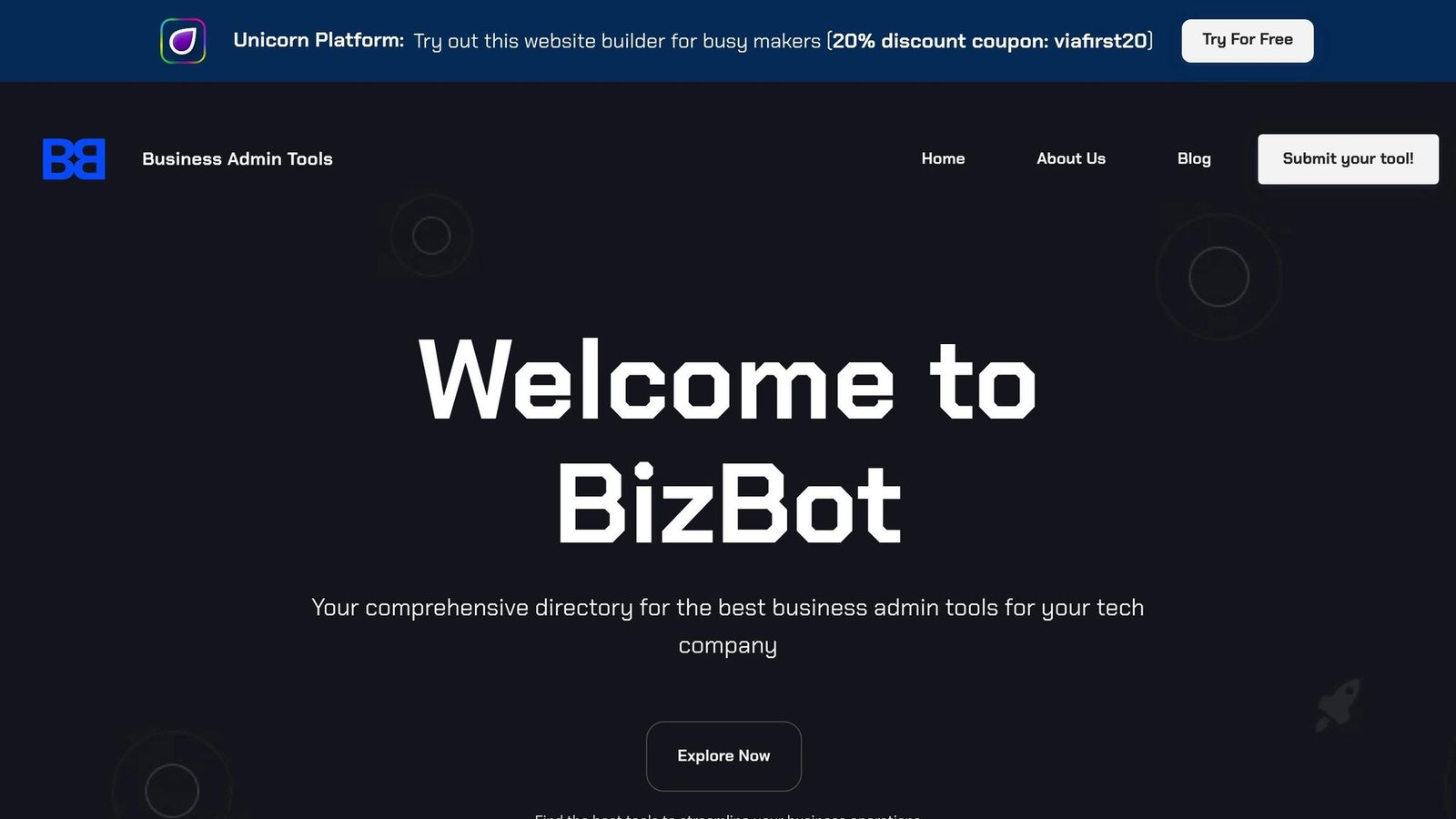
BizBot is a directory for finding legal tech solutions that match your integration needs:
- Filter tools by their integration capabilities and compatibility with your current systems.
- Check for security certifications and compliance with required standards.
- Read user reviews for accounts of integration and support quality.
Choose a tool that fits your integration requirements and supports your growth plans. Check scalability options and pricing tiers at the size you expect to be in two years, not the size you are now.
Implement Your Integration
Once you’ve selected the right tools, it’s time to integrate them into your workflow.
Build Your Project Timeline
Plan a timeline that outlines all phases and dependencies. The durations below are indicative ranges for a small to mid-sized firm, not benchmarks – a single-system integration can be much faster, and a case management replacement much slower:
| Phase | Indicative Duration | Key Activities |
|---|---|---|
| Planning | 2-3 weeks | Assign teams, allocate resources, communicate with stakeholders |
| Development | 4-8 weeks | Configure APIs, develop custom code, conduct initial testing |
| Data Migration | 2-4 weeks | Map data, validate it, and test the transfer process |
| Testing | 3-4 weeks | Perform integration testing, user acceptance, and security checks |
| Deployment | 1-2 weeks | Roll out the system, monitor it, and provide initial support |
Assign specific tasks, set realistic deadlines, and build in extra time. Data migration is the phase that most often overruns.
Transfer Your Data
1. Data Mapping
Identify how data from the source system will align with the destination system. Ensure that all fields, data types, and transformations are properly matched. Pay extra attention to client details and case records.
2. Security Protocols
- Use end-to-end encryption for all data transfers.
- Opt for secure FTP or encrypted API connections.
- Keep detailed logs of all data movements.
- Create backup copies of your data before starting.
3. Staged Migration
- Begin with a subset of non-critical data.
- Validate the transfer for accuracy and integrity.
- Gradually scale up the volume being migrated.
- Schedule transfers during low-usage periods.
Test and Fix Issues
Functionality Testing
- Confirm data synchronization between systems.
- Test automated workflows and triggers.
- Handle edge cases – closed matters, joint clients, unusual fee arrangements.
- Measure system performance under heavy use.
Security Testing
- Check that access controls and permissions work as expected.
- Test authentication processes for weaknesses.
- Confirm sensitive data is encrypted at rest.
- Run penetration tests if the system is internet-facing.
User Testing
- Have users run the workflows they use daily.
- Document usability problems they encounter.
- Gather feedback on speed and responsiveness.
- Identify missing features before go-live, not after.
Use an issue tracker to log and prioritize problems. Fix critical ones immediately and schedule the rest.
Maintain Your Integrated System
Train Staff Members
Tailor training to roles. The durations below are a starting structure, not a standard:
| Training Component | Typical Length | Focus Areas |
|---|---|---|
| Initial Onboarding | 2-3 days | System navigation, core functions, security protocols |
| Role-Specific Training | 1 week | Advanced tools, workflow automation, reporting |
| Ongoing Support | Monthly | Updates, new tools, common problems |
Build a knowledge base with:
- Step-by-step guides for daily tasks
- Video tutorials for complicated processes
- FAQs based on real user questions
- Documentation for custom workflows
Track System Health
1. Performance Monitoring
- API response times and success rates
- Data synchronization status
- Resource usage like CPU and memory
- Error logs and exception tracking
2. Security Monitoring
- Unusual user access patterns
- Failed login attempts
- Data encryption integrity
- Adherence to security protocols
3. Usage Analytics
- Peak usage times
- Which features actually get used
- Processes that consume the most resources
- User adoption trends
Keep Systems Current
| Update Type | Frequency | Actions Required |
|---|---|---|
| Security Patches | Monthly | Apply critical updates to protect against vulnerabilities |
| Feature Updates | Quarterly | Test new features and update user documentation |
| Compliance Reviews | Bi-annually | Check for regulatory compliance and adjust policies |
| System Assessment | Annually | Review overall performance and plan for upgrades |
Minimize disruption:
- Update during off-peak hours
- Test changes in a staging environment first
- Prepare rollback plans
- Keep records of all updates and changes
Conclusion
Integrating legal tech successfully requires careful planning, organized execution, and ongoing upkeep.
What a working integration gets you:
- Simplified workflows, with less manual data entry
- Better security posture and clearer compliance tracking
- Less duplicated effort across the team
- Lower operational costs through automation
To make it work:
- Regular Evaluation: Review performance against your original objectives and adjust based on real use.
- Routine Maintenance: Run system checks, apply security updates promptly, and test new features before rollout.
- Team Involvement: Keep training going and collect feedback from the people using the system daily.
For tools and comparisons, BizBot lists legal and business administration software with integration details. Whatever you pick, measure your own before-and-after numbers rather than relying on the ones in the vendor’s deck.
More on this topic
Browse all 86 articles on Business Operations, or jump straight to our buying guide: Best Productivity Tools for Small Teams.