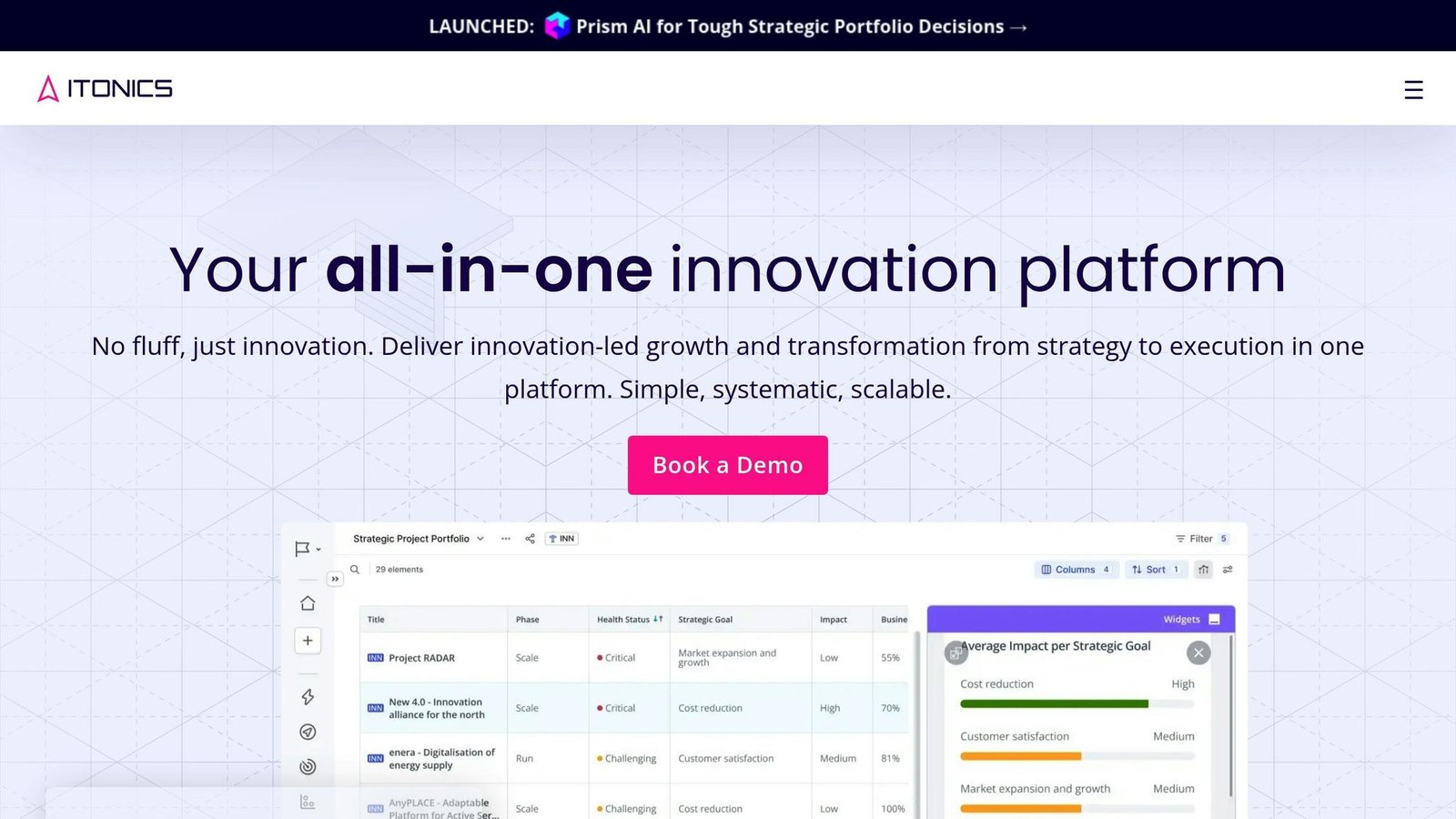

ERG management software simplifies running Employee Resource Groups (ERGs) by centralizing tasks like membership tracking, event planning, communication, and reporting. These tools help organizations improve employee engagement, streamline operations, and align ERGs with broader Diversity, Equity, and Inclusion (DEI) goals.
Key takeaways:
- What it does: Consolidates ERG operations into one platform, reducing administrative burdens.
- Why it matters: ERGs are near-universal at large employers. Great Place To Work, citing TopMBA, puts them in 90% of Fortune 500 companies. Worth knowing that the trail ends at a magazine blog post rather than a survey, so treat it as an indication of how common ERGs are, not a measured figure.
- Core features: Membership management, communication tools, event planning, and analytics.
- Benefits: Tracks metrics like participation and retention, simplifies communication, and supports DEI initiatives.
- Implementation steps: Assess needs, customize the platform, and train ERG leaders for success.
This software is especially useful for organizations managing multiple ERGs or looking to enhance their DEI efforts with measurable results.
Core Features and Capabilities of ERG Management Software
ERG management software simplifies operations and enhances participation by addressing common challenges in managing Employee Resource Groups (ERGs). Through a combination of administrative tools, engagement features, and analytics, the software unifies processes to help ERGs thrive.
Centralized ERG Administration
Managing multiple ERGs becomes far more efficient when everything is housed on one platform. This centralized approach reduces administrative workload and ensures consistency across all groups. Administrators can set up and manage multiple ERGs, each structured to align with its specific mission and goals.
Role-based permissions allow different levels of access, ensuring that users can only view or modify what’s relevant to them. Budget tracking and resource allocation tools promote financial transparency, helping leaders manage funds effectively. While individual ERG leaders focus on their specific groups, HR administrators maintain an overarching view, balancing autonomy against oversight.
The platform’s flexibility accommodates a variety of ERG types – whether supporting women in leadership, LGBTQ+ employees, or veterans transitioning to civilian careers. Customizable group structures ensure that each ERG can operate in a way that best serves its members.
A vendor customer quote about that flexibility used to sit here. We could not confirm the speaker or the quote, so we removed it. The point it was making is checkable in a demo anyway: ask whether the platform can run a group of six people and a group of six hundred without a different configuration for each.
Membership Engagement and Communication Tools
Joining an ERG is as simple as a single click, removing common barriers to participation. Employees can quickly find and join groups that resonate with them.
Strong communication tools are essential for successful ERG programs. Integrated group chats, messaging systems, and discussion boards keep conversations flowing, while announcement features ensure important updates reach everyone promptly. By integrating into familiar workplace environments, the platform encourages consistent participation and higher adoption rates.
Additional features like document storage and photo sharing help ERGs build a repository of institutional knowledge and celebrate milestones. Peer-to-peer connections are strengthened through message boards, and polling tools allow leaders to gather feedback and make informed decisions about their programs.
Analytics and Reporting Tools
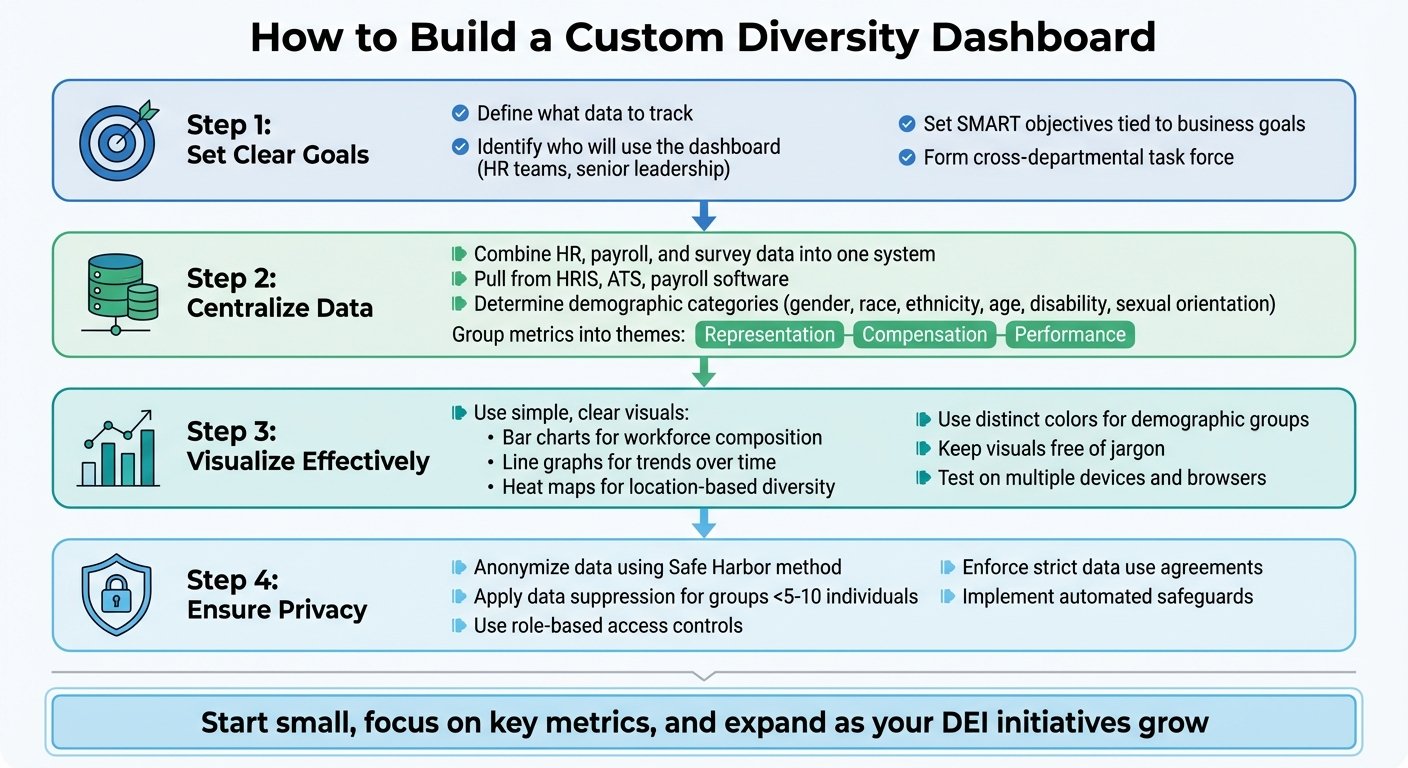
Real-time dashboards provide leaders with instant insights into their ERG’s performance. Metrics like membership growth, event attendance, and activity participation are tracked, helping leaders understand what’s working and where improvements are needed.
The software also connects ERG involvement to broader organizational goals. Companies can analyze how participation relates to employee retention, promotions, and job satisfaction – data that matters when the program comes up for budget review. Be careful with the direction of causation here: engaged employees are more likely to join an ERG in the first place, so a retention gap between members and non-members is not by itself proof the ERG caused it.
Customizable reporting tools offer flexibility, whether tracking diversity metrics, measuring professional development outcomes, or calculating return on investment. These reports cater to various stakeholders and ensure that decisions are backed by solid data.
A quote from an unnamed ERG program manager about the convenience of centralized data used to appear here. The speaker was identified only by first and last name with no employer, and we could not trace the quote, so it is gone. The underlying claim is easy to test yourself: ask how many separate spreadsheets your ERG leaders currently maintain, and how long it takes them to answer a question from the executive sponsor.
With these tools, organizations can identify participation trends, determine which initiatives drive the most engagement, and adjust strategies based on real evidence rather than guesswork.
Steps to Implement ERG Management Software
Setting up ERG management software isn’t just about installing a tool – it’s about aligning the platform with your organization’s goals and ensuring it’s effectively used. This involves understanding your company’s unique needs, customizing the software to fit your structure, and equipping ERG leaders with the right training.
Assessing Organizational Needs
Start by evaluating your current ERG program to identify specific requirements. This step helps determine if ERG management software is right for your organization and which features are most relevant.
Understand the maturity of your ERG program. This article used to quote an average number of ERGs run by companies on Fair360‘s DiversityInc Top 50 list. We could not source that figure, so it is gone. Use a simpler test instead: if you run one or two ERGs and fewer than a few hundred employees, a shared drive and a calendar will do the job. Software starts to pay when the number of groups exceeds the number of people who can keep track of them in their heads.
Bring together key stakeholders – ERG leaders, HR representatives, and IT staff – to ensure the software aligns with your operational needs and connects to the systems you already run.
Set measurable goals and connect them to broader business objectives. Establish key performance indicators (KPIs) to track the software’s impact. Metrics like membership growth, event participation, and employee satisfaction related to ERGs can highlight how these groups contribute to your company’s mission.
Survey your own employees to gauge interest in ERGs and identify their needs. A published national participation percentage used to sit here; we could not source it, and your own numbers are the only ones that should drive this decision anyway.
These insights guide the platform’s customization to meet your organization’s specific requirements.
Customizing and Configuring the Platform
Customization is key to ensuring the software fits your organization’s structure. The best ERG management platforms allow for extensive adjustments, avoiding a one-size-fits-all approach.
Tailor the platform to reflect your company’s branding and structure. This includes adding your logo, aligning the color scheme with brand guidelines, and organizing ERGs to mirror your internal hierarchy. A personalized platform can foster a stronger connection among employees and drive adoption.
The software should adapt to your existing ERG workflows, not the other way around. An anonymous customer quote used to make this point here, and it also named a competing vendor unfavourably. An unnamed source is not a basis for that, so we removed it. Test the claim in the demo: bring your current process and ask the vendor to reproduce it, rather than accepting a walkthrough of their preferred one.
Set governance and compliance controls. Configure user permissions, content moderation, and data access settings to match your company’s security and privacy requirements.
Clearly define ERG goals before finalizing the setup. Whether the focus is professional development, community outreach, or business impact, the platform’s features should align with these objectives.
Training and Onboarding for ERG Leaders
Once the platform is configured, it’s time to focus on ERG leaders. Training ensures they can use the platform fully while also building the leadership skills that keep members engaged.
Develop leadership programs specifically for ERG leaders. These programs should include areas like conflict resolution, strategic planning, and advocacy. ERG leaders often face challenges that go beyond just using the software, making this training essential.
Workshops on practical skills – such as team building, event planning, and public speaking – can further support ERG success.
Encourage collaboration and peer learning. Create opportunities for ERG leaders to share experiences and mentor each other. This can be supplemented with executive coaching or mentorship programs for more personalized guidance.
Wire ERG signup into onboarding. A named case study with a specific schedule of automated nudges used to illustrate this, along with a quote from a named executive. We could not source either, so both are gone. The mechanism is worth copying regardless: send new hires a prompt about ERGs a week or two in, when they have stopped drowning in paperwork but before their habits set, and route anyone who joins to a named person in that group rather than to a distribution list.
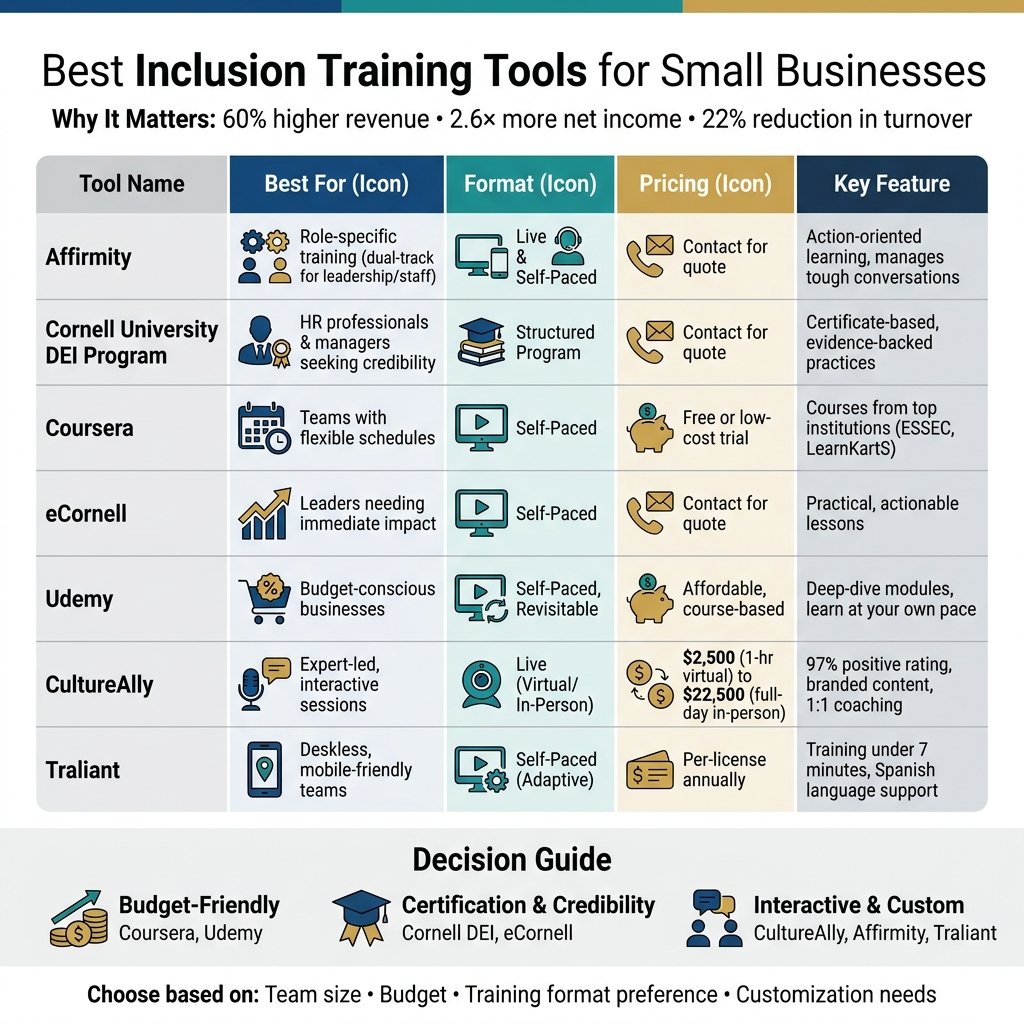
Provide essential resources upfront. Share codes of conduct, employee handbooks, and clear policies to set expectations. Training on topics like unconscious bias and inclusive leadership can help ERG leaders create welcoming environments.
Finally, emphasize the importance of continuous learning. Encourage participation in workshops, webinars, and conferences focused on leadership and inclusion. Feedback mechanisms can also help leaders refine their strategies based on input from peers and members.
Optimizing ERG Programs with Software
Once the foundational elements of your ERG program are in place, the next step is fine-tuning it for impact. Using software to harness analytics, encourage collaboration, and centralize resources can help your ERG program evolve and keep members engaged.
Using Analytics for Continuous Improvement
Analytics are the backbone of any successful ERG program. With the right software, raw data can be transformed into actionable insights that guide decision-making.
Track metrics like membership growth, event participation, and retention rates. Combine this data with HRIS (Human Resources Information System) insights to understand how ERGs relate to broader goals, such as employee satisfaction and retention. Automated data collection ensures you’re working with accurate, reliable information.
For instance, connecting ERG data with HRIS can highlight trends in employee promotions or satisfaction levels tied to ERG involvement. Customizable dashboards and reports make it easier for managers to act on these insights and refine their strategies.
A named technology company’s results with one ERG platform used to appear here, complete with a satisfaction percentage and a country count. We could not source it, so we removed it rather than pass along a vendor case study we cannot check. If a vendor offers you a reference customer, ask to speak to them directly instead of reading the write-up.
Analytics tools also provide a deeper understanding of membership demographics, performance trends, and engagement patterns over time. They can help identify underrepresented groups, peak participation periods, and successful program elements worth replicating. These insights also pave the way for stronger collaboration between ERGs.
Improving Collaboration Across ERGs
Collaboration between ERGs can amplify their impact. Software platforms create centralized spaces where ERGs can connect, share ideas, and work together.
Set up formal collaboration channels, such as inter-ERG committees, shared communication platforms, and regular meetings, to encourage information exchange and joint initiatives. By working together, ERGs can tackle common challenges – like leadership development or inclusive hiring – and pool their strengths.
Joint events, such as workshops, training sessions, or social gatherings, can also foster connections across groups and promote understanding among employees. The practical argument for joint events is simple: a single group’s event reaches its own members, while a joint one reaches everyone’s, and it costs the same room booking.
ERG software makes it easier to share resources and best practices, reducing redundancy and freeing up leaders to focus on creating new initiatives. This streamlining of efforts ensures that ERGs can work smarter, not harder.
Promoting Engagement Through Resource Hubs
A well-organized resource hub makes a real difference to member engagement. Centralized access to tools, materials, and communication channels keeps members informed and motivated to participate.
Build a resource library that includes essential materials like mission statements, meeting notes, professional development guides, and relevant articles. Members should be able to access these resources whenever they need them.
Use built-in communication tools to streamline outreach. Templates for newsletters or announcements can help keep members in the loop and ensure the ERG remains visible within the organization.
Mobile-friendly platforms are especially important for employees in remote or hybrid roles. Software that works properly on smartphones and tablets ensures everyone can stay involved, no matter where they are.
Interactive features like group chats, messaging systems, and discussion boards can foster a sense of community within ERGs. These tools keep conversations going and help members feel connected.
Finally, user-friendly event planning tools within resource hubs make it easy to promote events, manage registrations, and track attendance. Regularly updating the hub with fresh content ensures it stays relevant and engaging over time.
Conclusion: Getting the Most from ERG Management Software
Key Points Recap
ERG management software changes how companies run Diversity, Equity, and Inclusion (DEI) initiatives. By simplifying administrative tasks, centralizing communication, automating routine processes, and delivering usable data, this software improves program performance and strengthens employee engagement.
A note on the numbers. This article previously carried several precise statistics about ERG prevalence, ERG leader compensation, and how employees feel about ERGs. We could trace only one of them to a named source, and that one runs through a blog post rather than a survey. The rest are gone. That is worth saying plainly, because the case for this software does not rest on them. It rests on whether your ERG leaders are currently spending their volunteer hours on administration instead of on the group.
Successful implementation requires thoughtful planning. From evaluating organizational needs to tailoring the platform and training leaders, every step matters. The real payoff comes during the optimization phase. Advanced analytics enable continuous refinement, while collaboration tools and resource hubs keep members engaged, which matters more in hybrid setups where nobody bumps into an ERG poster in a corridor.
How BizBot Can Help
Selecting the right ERG management software can feel overwhelming, especially when comparing features, pricing, and integration options. That’s where BizBot comes in. BizBot offers a comprehensive directory of business administration tools, including solutions tailored for HR and ERG management. Whether you’re a freelancer or part of a growing enterprise, BizBot’s organized categories make it easier to find tools that fit your specific needs.
FAQs
How does ERG management software support an organization’s DEI goals?
ERG management software is a useful tool for organizations aiming to achieve their Diversity, Equity, and Inclusion (DEI) goals. These platforms simplify the coordination and support of Employee Resource Groups (ERGs), making it easier to create a workplace where everyone feels included and valued. They provide tools to organize ERG activities, monitor participation, and assess their influence on DEI efforts.
Here are some key features these platforms offer:
- Tools for employee engagement: Encourage collaboration and boost participation within ERGs.
- Performance monitoring: Track how ERGs contribute to achieving DEI objectives.
- Integration with company strategies: Align ERG initiatives with the organization’s larger goals.
By using ERG management software, companies can build a more inclusive workplace, promote fairness, and ensure their DEI initiatives are on track.
What are the key steps to successfully implement ERG management software in an organization?
To get the most out of ERG management software, start by setting specific goals and identifying key performance indicators (KPIs) that tie directly to your organization’s priorities. Take the time to assess your current ERG landscape – what’s working, what’s not, and where the software can fill the gaps.
Gaining leadership support is crucial. Engage leaders early and involve employees in the planning process to ensure everyone feels invested. When selecting software, focus on tools that offer tracking features, communication hubs, and reporting options. These functionalities can simplify coordination and keep your ERG efforts on track.
Establish clear procedures for managing ERG initiatives and regularly check in on progress. Be ready to tweak your approach based on feedback and results to keep participation high and outcomes meaningful. With these steps, your organization can build a solid framework for managing ERGs effectively.
How do analytics and reporting tools in ERG management software help improve the effectiveness of Employee Resource Groups?
Analytics and reporting tools give ERG leaders a clear window into critical metrics such as participation rates, engagement levels, and retention trends. With this data, organizations can pinpoint what’s working well and where there’s room to improve their ERG efforts.
The ability to track data in real time gives ERG leaders the power to continuously assess the impact of their programs. Armed with this information, they can make smarter, data-backed decisions to fine-tune activities and ensure everything aligns with the company’s broader goals. One caution: participation numbers are easy to measure and outcomes are not, so keep an eye on whether the dashboard is telling you the program works or only that it is busy.
More on this topic
Browse all 52 articles on HR & People Ops.