Nuclino is a lightweight team wiki and knowledge base that doubles as a simple project workspace. Everything you create is an “item” — a document that opens instantly, edits in real time with colleagues, and links to other items. Those links build a connected web of company knowledge rather than a folder tree nobody maintains. It is deliberately much smaller and faster than the big documentation platforms, and the trade-off is that it does less.
What you can actually do with it
Most teams use it as the place where the answer lives: process notes, onboarding guides, meeting records, product decisions and project briefs.
- Write and edit together in real time. A clean, distraction-light editor with markdown shortcuts, embeds and comments, where several people can be in the same document at once.
- Link items instead of filing them. Internal links between items are the primary structure, so a page about a client can reference the process, the contract and the people without duplication.
- See the same content several ways. A collection can be viewed as a nested list, a kanban board, a table or a graph of how items connect, which makes a wiki double as light task tracking.
- Canvas for visual thinking. A free-form space for diagrams, mind maps and rough plans that stays inside the workspace rather than in a separate whiteboard tool.
- Find things quickly. Instant search and keyboard-driven navigation are the features regular users mention most; the app is genuinely fast.
- Control who sees what. Separate workspaces, permission settings and guest access for contractors or clients who should only see one area.
- AI assistance and integrations. A built-in AI assistant can draft and summarize, and embeds and integrations pull in content from tools like Google Drive, Figma and Slack.
Who it fits best
Nuclino suits small and mid-sized teams — startups, software teams, agencies, small nonprofits — who want documentation people will actually read and update. It is a good pick when a previous wiki attempt failed because the tool was too heavy, too slow or required too many decisions before you could write anything.
It is also a reasonable fit for a team that wants notes and light project tracking in one place and does not need a full project management tool. If your requirement is formal documentation with approval workflows, or a customer-facing help center, look elsewhere.
Things worth knowing before you commit
- Simplicity is the point, and the limit. There are no databases with relations, formulas or rollups, no automation rules, and no deep customization. Teams who want to build tools inside their wiki will find it too plain.
- Project management is basic. The board view handles simple stages, but there are no dependencies, timelines, workload views or reporting.
- The free plan has hard caps. Free use is limited by the number of items and storage, so growing teams hit a wall and move to the paid, per-user tier.
- It is a smaller vendor. The integration list, template library and third-party ecosystem are much shorter than Notion’s or Confluence’s, so check the specific connections you need.
- Not built for public publishing. Sharing exists, but this is an internal knowledge tool, not a documentation site or customer help center platform.
Alternatives to compare it against
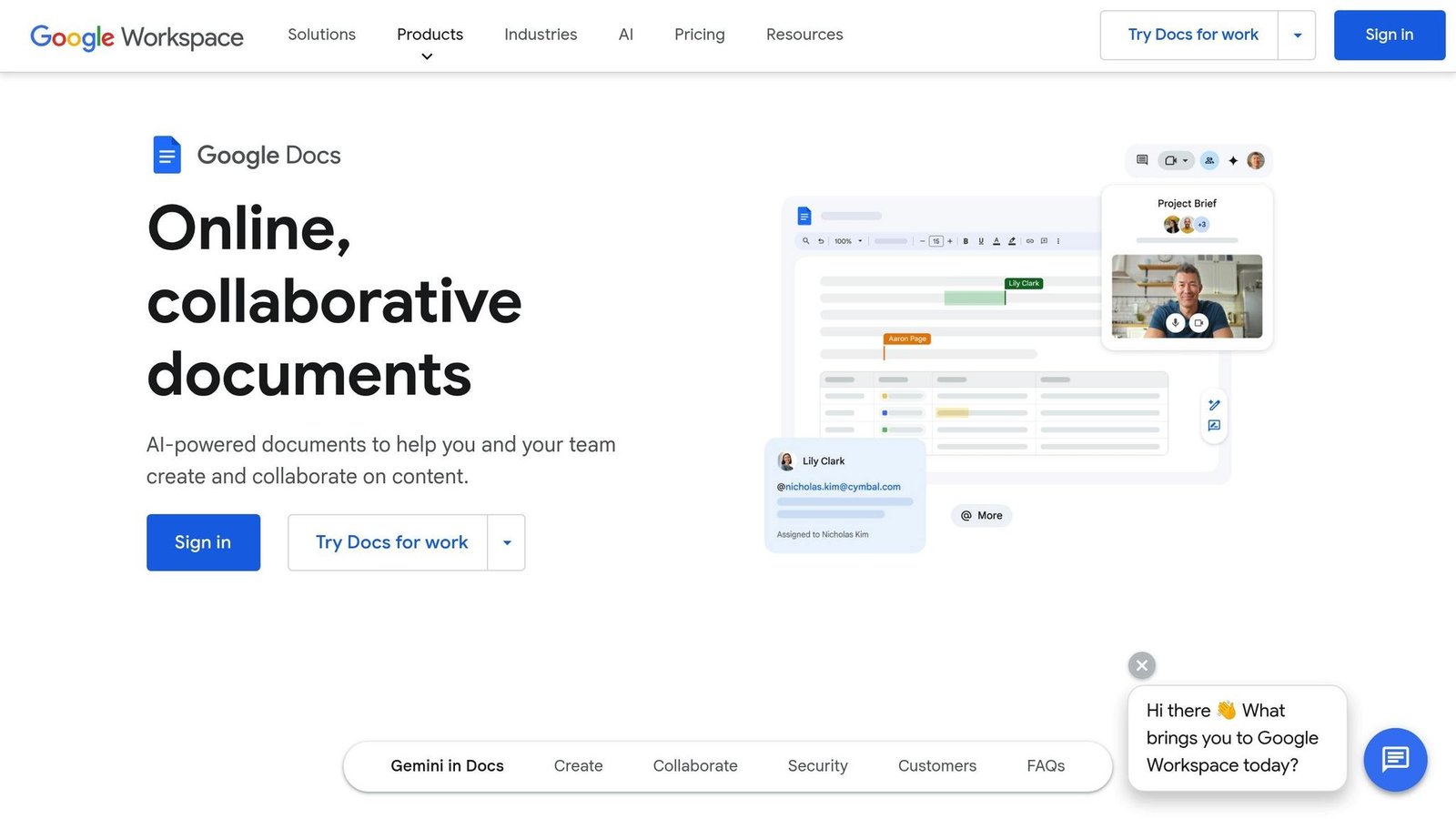
Notion is the obvious comparison: far more flexible, with databases and templates, but slower to load and easier to over-engineer. Confluence makes more sense if you are already in the Atlassian world and need permissions, page approvals and Jira links. Slite and Slab sit in similar territory to Nuclino as focused team wikis. If your real need is a public help center, a dedicated knowledge base product will serve customers better. And if documents are already scattered across Google Docs, ask whether a well-organized shared drive plus good search is enough before adding a subscription.
Plan limits, item and storage caps and per-user pricing change regularly — check Nuclino’s own pricing page before you decide.
Further reading
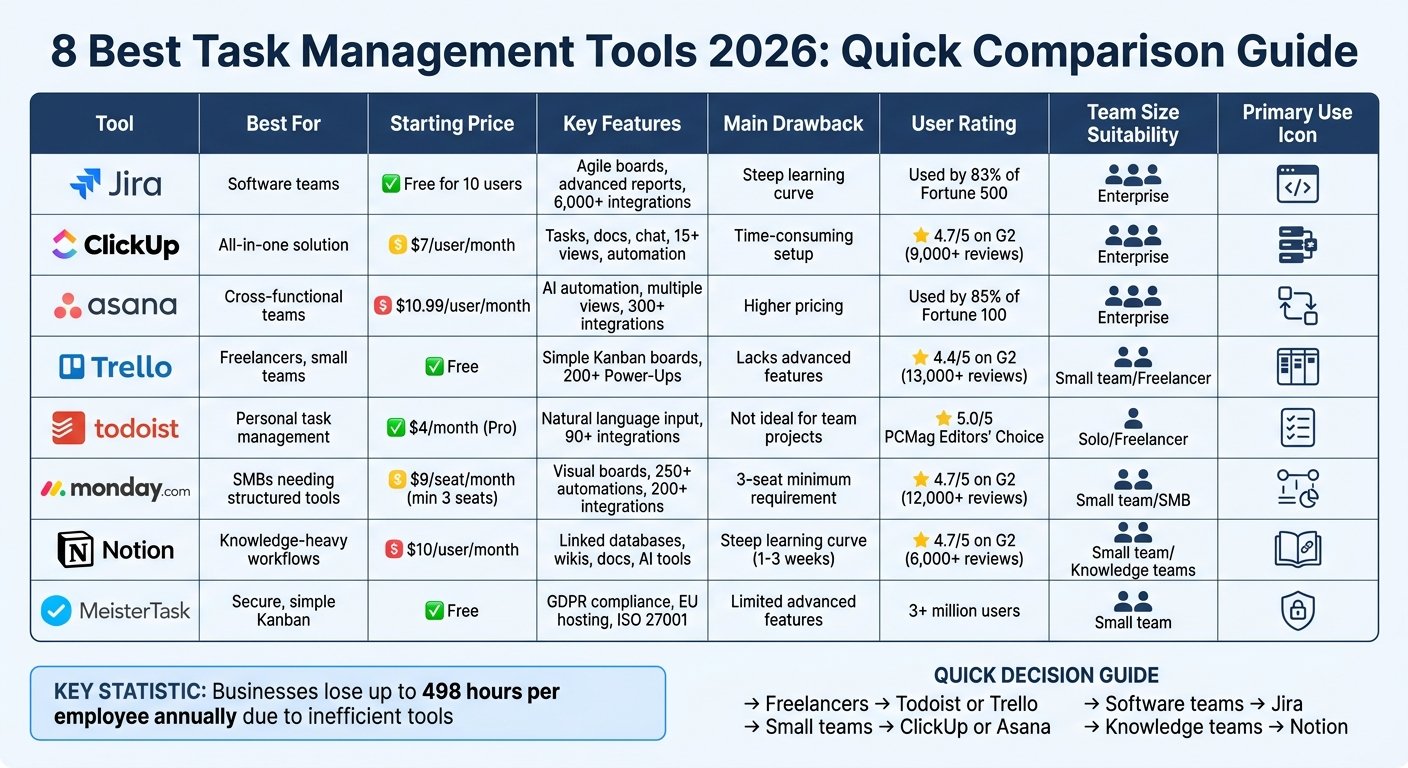
- Top 8 Document Collaboration Tools for Teams — puts Nuclino’s real-time editor next to Notion, Confluence and the Google Docs option.
- Ultimate Guide to Cloud Collaboration Tools — background on where a team wiki sits alongside chat, storage and project tools.
- Best Team Collaboration Tools for Remote Work — relevant to distributed teams relying on written documentation over meetings.
- How to Automate Customer Support with Knowledge Bases — covers the customer-facing help center use case Nuclino explicitly does not serve.
Have you used Nuclino?
One sentence is enough. Would you pick it again, and why or why not? We publish the critical reviews too — that is the point.