
Disclosure: This page contains commercial links. BizBot may earn a commission from qualifying purchases. Paid placements do not buy a better ranking. Read our affiliate disclosure.

Mobile store builders are tools that let you create online stores for smartphones without coding skills. Here’s what you need to know:
- They handle inventory, orders, payments, push notifications and marketing
- They are much cheaper than a custom native app, and correspondingly less flexible
- Pricing runs from around $150 a month at the low end into four figures for larger stores
- For most shops with an existing website, an app is a retention tool, not an acquisition one
What we removed from this article. The previous version repeated a single mobile-commerce market forecast six times, alongside a second forecast in the same piece that contradicted it by a factor of three. It also carried consumer-behaviour percentages, cost ranges for custom app development, and a set of vendor prices that were out of date. None of it could be sourced. Where we could check a vendor’s current price we have done so and linked it; the rest is gone.
Key features to look for:
- No-code setup
- Customization options
- Push notifications
- Feature parity with your website
- Easy maintenance
What Are Mobile Store Builders?
Mobile store builders let businesses create app storefronts without coding. They:
- Provide mobile-first store layouts
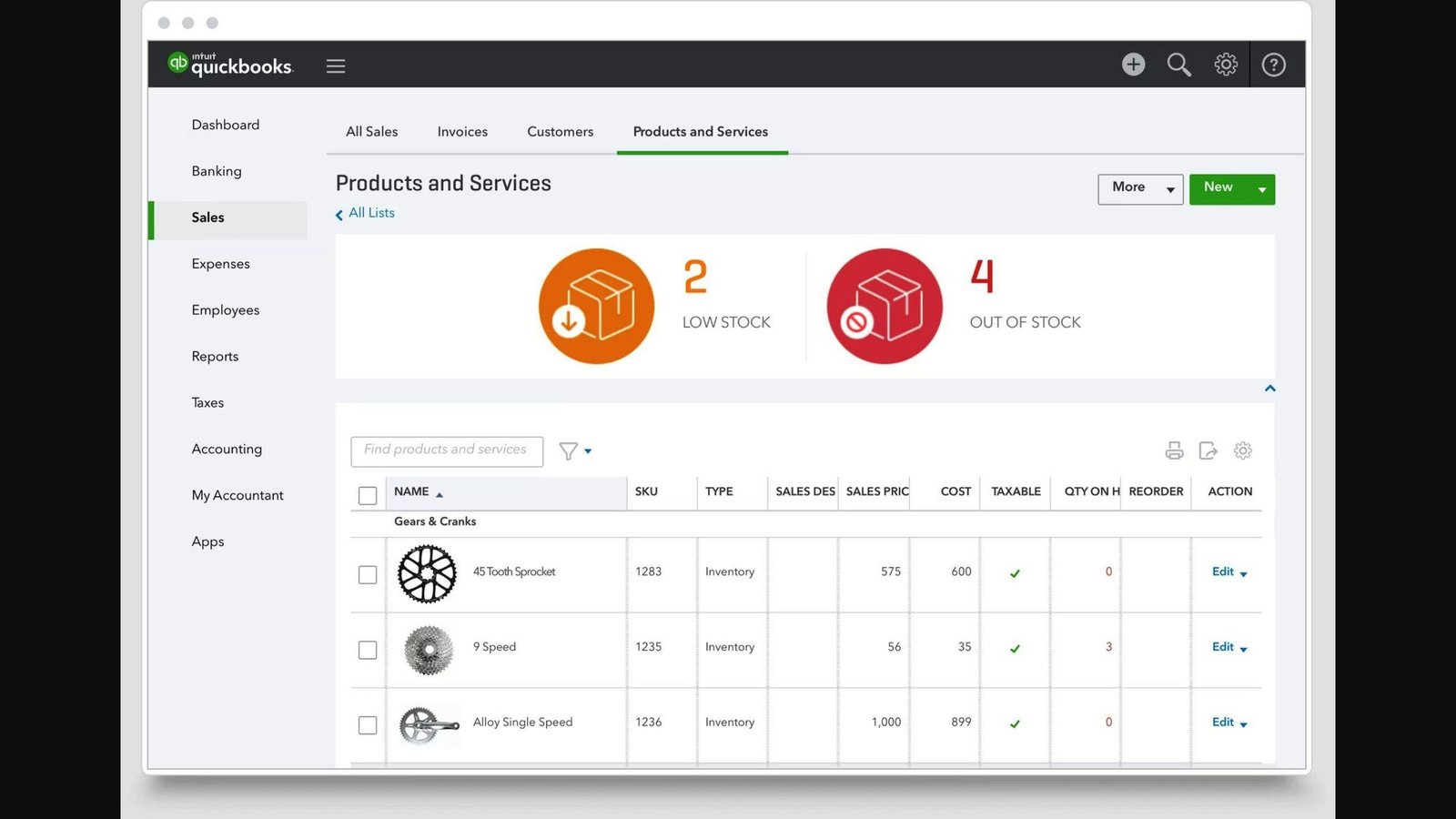
- Manage product inventory
- Process orders
- Handle secure payments
- Report on sales and customer behaviour
There are three main types:
1. Integrated App Builders
These sit on top of an existing online store – usually Shopify or WooCommerce – and generate a mobile app from the same catalogue. This is what most retailers actually want, because the app and the website stay in sync automatically.
2. “From Scratch” App Builders
Stand-alone platforms for building an app without an existing website. Fewer businesses need this than the category suggests.
3. Managed Services
A builder plus development help. Worth it if you need customisation the template cannot handle; otherwise you are paying agency rates for template work.
Useful features across the category include responsive layouts, push notifications, social login, search visibility tools and in-app support.
The honest case for these tools. A custom native app costs a great deal to build and more to maintain, because maintenance means keeping up with two operating systems that change every year. A builder gives you most of the functionality of a custom app for a subscription fee, and the trade-off is that you get the vendor’s feature set rather than your own. For the overwhelming majority of stores that is the right trade. We removed the specific “90% of a custom app” figure this article used to give, because nobody has measured that and it is not measurable.
How to Pick a Mobile Store Builder
What to Look For
1. No-code needed
Look for platforms you can configure without a developer. If you need a developer anyway, reconsider whether you need a builder.
2. Flexibility
Easy to use and still customisable is the balance to look for. Ask specifically what you cannot change; that answer is more informative than the feature list.
3. Push notifications
This is the main reason to have an app at all. A website cannot reach a customer’s lock screen. Everything else the app does, a good mobile website does too.
4. Feature parity
The app should do everything the website does. It does not need to be better; it must not be worse. An app that cannot handle a promotion code your website supports will generate support tickets forever.
5. Easy upkeep
Check how updates are pushed and whether app store review is required for content changes. A builder that needs a resubmission to change a banner is a builder that will annoy you weekly.
System Requirements
Before committing, check compatibility with what you run:
Does it integrate with your e-commerce platform, your payment gateway and your inventory system? Ask for the integration list in writing.
Does the vendor handle App Store and Google Play submission, and what happens when a submission is rejected? Rejections are routine, and the difference between vendors is who deals with them.
How does the app perform on an older mid-range Android phone, which is what a lot of your customers have? Ask for a demo build rather than a video.
MageNative offers a drag-and-drop builder with live preview on both Android and iOS, which is a reasonable way to answer the last question before you buy.
Cost Options
The cost ranges this section used to give for custom apps, builder apps and DIY apps had no source and repeated the same figures in two different rows, which is usually a sign of copying rather than research. They are removed.
Current published prices for two of the better-known Shopify app builders, checked directly with the vendors:
- Shopney: Silver at $149/month, rising to $299 and $599 for higher tiers, with an Enterprise plan from $1,299/month.
- Tapcart: Growth at $500/month, Scale at $1,250/month, Enterprise from $2,850/month.
Note that this article previously listed Tapcart at $200/month, which is well under its published entry price, and listed a product called “AppMaker” linked to appmakr.com – a different company, now part of Appy Pie. That is the kind of error that makes a comparison look researched when it is not, so we have removed the entry rather than guess which vendor was meant.
Check current pricing on the vendor’s own site before budgeting. App builder pricing in this category moves, and every figure in an article is a snapshot.
Watch for costs outside the subscription: transaction fees, developer account fees for both app stores, domain and hosting if you do not already have them, and paid integrations.
Setting Up Your Mobile Store
First Steps
You need a domain name, web hosting, and an hour. Shared hosts such as Bluehost bundle a domain and SSL certificate with entry-level plans; check the renewal price rather than the introductory one, because the gap between them is usually large.
Most self-hosted stores use WordPress with WooCommerce:
- Install WordPress from your hosting dashboard
- Activate the WooCommerce plugin
- Configure store settings, tax and shipping
Picking Your Design
When choosing a theme:
- Confirm it is responsive across screen sizes
- Look for mobile-specific features, not just a shrunk desktop layout
- Check compatibility with page builders such as Elementor if you use one
Test any theme on a real phone with a slow connection before committing. Theme demos run on fast hosting with optimised images and tell you nothing about how yours will feel.
Adding Products
- Write clear titles and descriptions
- Add good images, compressed for mobile bandwidth
- Set prices and enable inventory tracking
- Enter product weights so shipping calculates correctly
- Keep page titles and meta descriptions within the lengths search engines display
Start with a manageable catalogue rather than importing everything at once. Use WooCommerce’s bulk editing as the catalogue grows.
Making Your Store Easy to Use
Mobile Design Basics
Design for one thumb. Most phone use is one-handed, and the top corners of a large screen are hard to reach.
- Put important content where it is visible without scrolling
- Keep primary controls near the bottom of the screen
- Use sticky elements so the main call to action stays reachable
Speed matters, and it matters more on mobile networks than on your office wi-fi. We removed the specific bounce-rate and conversion percentages this section used to quote, because we could not source them. Measure your own: run your product pages through a page-speed tool on a simulated 4G connection and compare with your analytics bounce rate. That comparison is yours and it is real.
Menu Setup
- Keep it short: mobile menus fail by including everything
- Make it sticky so navigation follows the scroll
- Add search, which becomes essential above a few dozen products
Large retailers are worth studying here. Open a few big mobile sites and notice how few top-level categories they show, and how large the tap targets are.
Simple Checkout
Cart abandonment is higher on mobile than desktop, largely because typing is harder.
1. Ask only for information you need to fulfil and bill the order
2. Offer guest checkout. Forced account creation is one of the most-cited reasons people abandon a cart, and it costs you nothing to remove
3. Offer mobile wallets for one-tap payment, which skips the whole address form
Reducing checkout steps is the single highest-return change available on most mobile stores, because every field is a place to give up.
Extra Tools and Add-ons
Marketing Tools
Push Notifications: the main reason apps outperform mobile websites for repeat purchase. SimiCart includes unlimited push notifications. Use them sparingly; the fastest way to lose the channel is to send daily sales messages.
Social Media Integration: social login removes a signup step, which matters more on a phone keyboard than on a desktop.
Live Video Selling: Vajro includes live video, letting you demonstrate products and answer questions in real time. Useful for categories where customers have questions before buying; pointless for repeat consumables.
Store Statistics
Google Analytics: free, and enough for most stores. Shows traffic sources, behaviour and conversion.
Advanced Analytics: some builders add their own reporting layer on top.
Heat Maps: tools like Hotjar show where users tap and how far they scroll, which is how you find out that nobody reaches your third product row.
Safety Features
Encryption: confirm data is encrypted in transit and at rest.
Two-Factor Authentication: for admin accounts at minimum. This is where store compromises usually start.
Regular Security Updates: hosted platforms such as Shopify patch centrally, which is a genuine advantage over self-hosting if nobody on your team is going to apply updates.
Keeping Your Store Running Well
Making Your Store Faster
- Optimize images: compress on upload rather than relying on the browser to scale them
- Minimize HTTP requests: combine and minify where you can
- Use a CDN: matters most if customers are far from your server
- Keep PHP current: newer versions are faster and supported for security
Keeping plugins and themes updated is the cheapest performance and security work available, and the one most often skipped.
Regular Checks
Weekly: test checkout end to end with a real card, check for broken links, review page speed.
Monthly: audit content, review security and access, look at conversion by device.
Testing your own checkout weekly sounds excessive until the first time a payment gateway update silently breaks it.
Store Updates
- Use a staging site: test updates before they touch the live store
- Schedule updates: a routine beats reacting to a security notice
- Back up first: every time, automatically
- Update in stages: minor plugins, then themes, then core
Summary
Pick the right platform
- Integrates with the store platform you already run
- Handles app store submission and rejections
- Lets you change content without a resubmission
- Supports push notifications properly
Make it mobile-friendly
- Compress images for mobile bandwidth
- Minimise checkout steps
- Offer mobile wallets
Compare on your own numbers
These platforms position themselves differently and change their pricing regularly, so compare current published prices rather than a table in an article:
| Platform | Positioning |
|---|---|
| Shift4Shop | Full store platform, no product limit |
| Squarespace | Design-led, simpler catalogue management |
| Ecwid | Adds a store to an existing site, sells across multiple channels |
Should you build an app at all?
Only if you have repeat customers. An app has to be downloaded before it can do anything, so it does nothing for a first-time visitor from search. If most of your revenue comes from new customers, spend the subscription on your mobile website instead.
More on this topic
Browse all 44 articles on Marketing & Growth, or jump straight to our buying guide: Best Marketing and CRM Tools for Small Businesses.