Disclosure: This page contains commercial links. BizBot may earn a commission from qualifying purchases. Paid placements do not buy a better ranking. Read our affiliate disclosure.
Quick facts
| Best for | Small and mid-sized companies where marketing and sales must work off the same contact record. |
|---|---|
| Category | CRM and Sales |
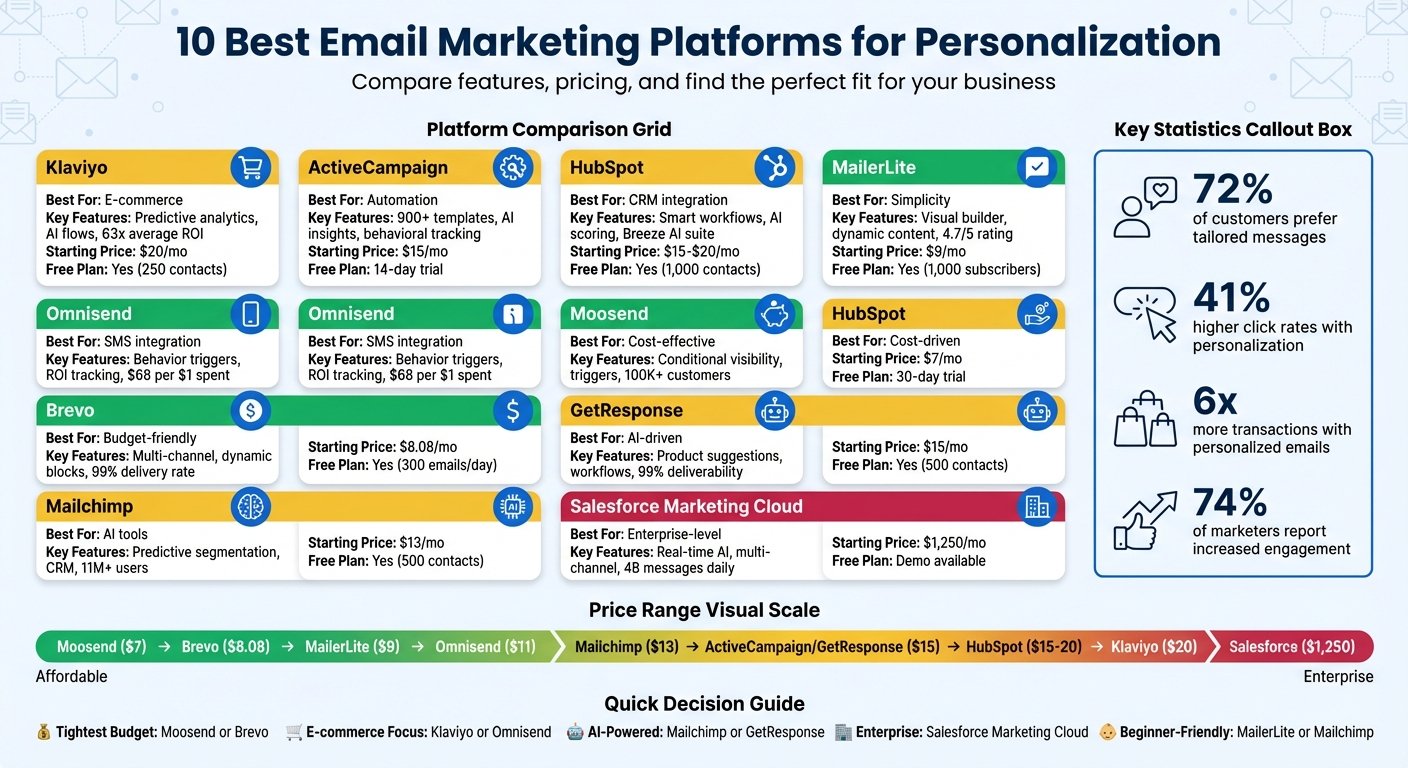
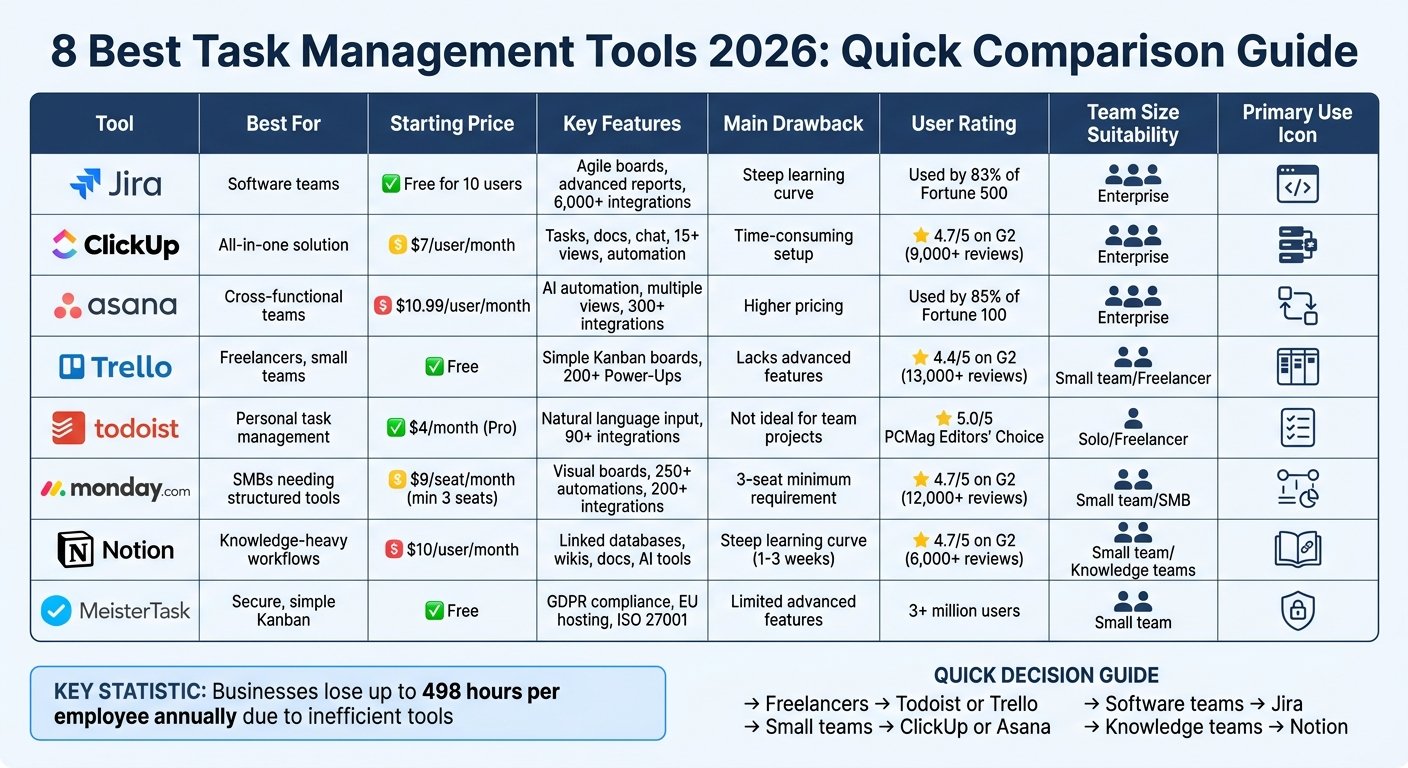
| Pricing from | USD 7 /month /seat billed annually (Starter); USD 20 /month /seat billed monthly |
| Free plan | Yes |
| Team size | solo, 2-10, 11-50, 51-200 |
| Last verified | 18 August 2026 — how we verify |
Quick verdict
Consider it if: Inbound marketing drives your pipeline and you want forms, email nurture and lead scoring joined up with the CRM.
Look elsewhere if: You only need a sales pipeline, or you need Professional-tier automation with just a handful of seats.
Compiled from the vendor’s own documentation and pricing pages, checked on the date above. We have not tested this product hands-on. How we evaluate software.
Compare HubSpot with Pipedrive and Zoho CRM · Not sure what you need?
Affiliate link: BizBot may earn a commission if you sign up, at no extra cost to you. It does not affect our assessment. Disclosure
HubSpot is a CRM platform that bundles marketing, sales, customer service and content tools around one shared contact database. It started as marketing software and grew outwards, which is why the CRM itself is free and the money is made on the “Hubs” layered on top. Everything works off the same record, so a contact who filled in a web form, opened three emails and then talked to a sales rep has all of that in one timeline.
What you can actually do with it
How much you can do depends heavily on which Hubs and tiers you buy, but the shape of the work is consistent:
- Keep a shared contact and company database. The free CRM handles contacts, companies, deals and tasks, with email tracking and meeting links, and it does not expire.
- Run marketing campaigns. Marketing Hub covers email, landing pages, forms, ads management, lists and automated nurture sequences, all reporting back to the same contact records.
- Manage a sales pipeline. Sales Hub adds sequences, quotes, call recording, forecasting and deal automation on top of the base pipeline.
- Handle support tickets. Service Hub gives you a shared inbox, ticketing, a knowledge base and customer feedback surveys tied to the same customer history.
- Publish and host content. Content Hub covers blog and website pages with HubSpot’s CMS, so forms and analytics are native rather than plugged in.
- Automate across the whole thing. Workflows trigger on almost any property change and can route leads, update records, send internal alerts or start a sequence.
- Use built-in AI assistance. HubSpot’s Breeze AI features help with drafting content, summarizing records and prepping for calls, with the more capable pieces on paid tiers.
Who it fits best
HubSpot suits small and mid-sized companies where marketing and sales need to see the same data and nobody wants to run integrations between three vendors. It is especially strong if inbound marketing is how you generate business – content, forms, email nurture and lead scoring are the parts it was built around first, and they are unusually well joined up.
It is also a reasonable starting point for a solo founder or a two-person team, because the free CRM is genuinely usable rather than a crippled trial. The awkward zone is the middle: teams that need Professional-level automation but only have a handful of users often find the jump from Starter to Professional steep relative to what they get.
Things worth knowing before you commit
- Costs escalate at tier boundaries. The gap between Starter and Professional is large, and many of the features people actually want – proper automation, custom reporting, lead scoring – sit above Starter.
- Marketing is billed on contacts, not just seats. Marketing Hub pricing scales with your marketing contact count, so a growing list raises the bill independently of headcount.
- Onboarding fees can apply. Higher tiers have historically required a paid onboarding package, which is a real line item to budget for.
- It rewards buying in. The value comes from using several Hubs together; running one Hub alongside competing tools loses much of the point.
- Deep customization has limits. Custom objects and granular permissions exist, but only at the top tiers, and it is less malleable than a platform like Salesforce.
Alternatives to compare it against
If you mainly need a sales pipeline and the marketing side is irrelevant, Pipedrive or a similar sales-first CRM will be simpler and cheaper. If you want comparable breadth for less money and do not mind more configuration work, Zoho’s suite covers similar ground. If you are a larger organization with complex sales processes and in-house admin capacity, Salesforce goes further on customization and reporting. And if your real problem is email marketing rather than CRM, a dedicated email platform paired with a lightweight CRM is often the better-value combination.
Pricing, seat rules, contact tiers and which features sit in which plan change regularly. Check HubSpot’s own pricing page and confirm the specific features you need are included before you buy.
Further reading
- Stop Losing Leads: How HubSpot CRM Helps You Close More Deals Faster — a closer look at the deal pipeline and follow-up automation described above.
- How HubSpot Breeze AI Automates Tasks and Boosts Team Productivity — detail on the Breeze AI features and which tiers carry them.
- HubSpot CRM vs Zendesk: Which Customer Support Platform Delivers More Value? — weighs Service Hub against a dedicated ticketing vendor.
- HubSpot CRM: Why HubSpot Is the All-in-One Solution for Chat and Email Customer Care — the shared-inbox side of the same contact timeline.
- Lead Scoring: 10 Best Practices for B2B Sales 2024 — relevant before paying for the tier where HubSpot’s lead scoring lives.
Have you used HubSpot?
One sentence is enough. Would you pick it again, and why or why not? We publish the critical reviews too — that is the point.