
Looking for the best onboarding software in 2024? Here’s a quick overview of the top tools and what they do best:
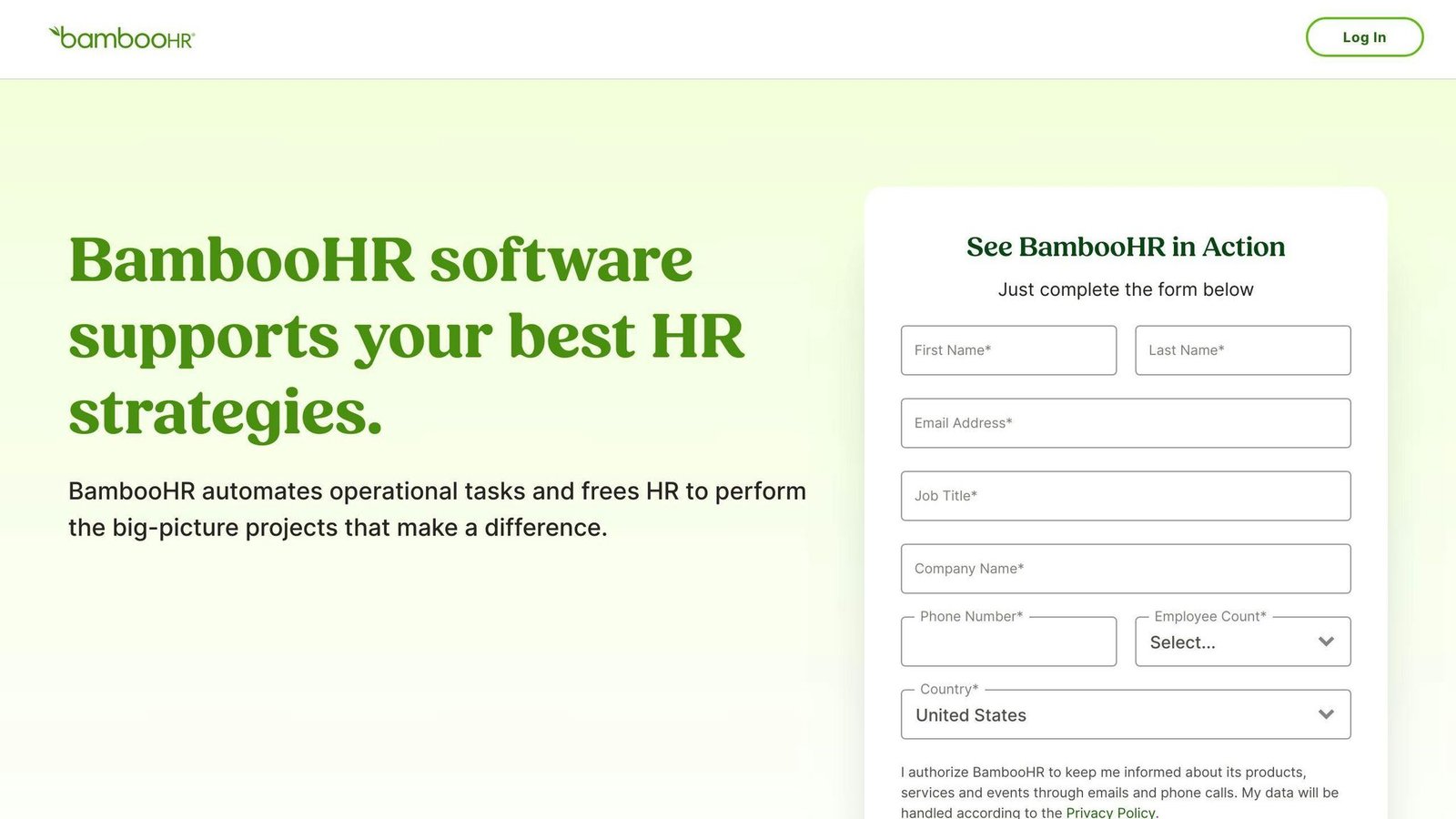
- BambooHR: Best all-around platform with electronic signatures and custom welcome packages
- Rippling: Ideal for automating workflows and compliance management
- Deel: Perfect for global hiring across 150+ countries
- Workday: Strong enterprise solution with learning management
- TriNet HR Platform (formerly Zenefits): Zenefits was acquired by TriNet and the brand has been retired; the product is now sold as the TriNet HR Platform
- Gusto: Budget-friendly with strong payroll integration
- Eddy: Mobile-first platform with custom training paths
- ClearCompany: Focused on role-specific onboarding
- Trainual: Specializes in interactive training content
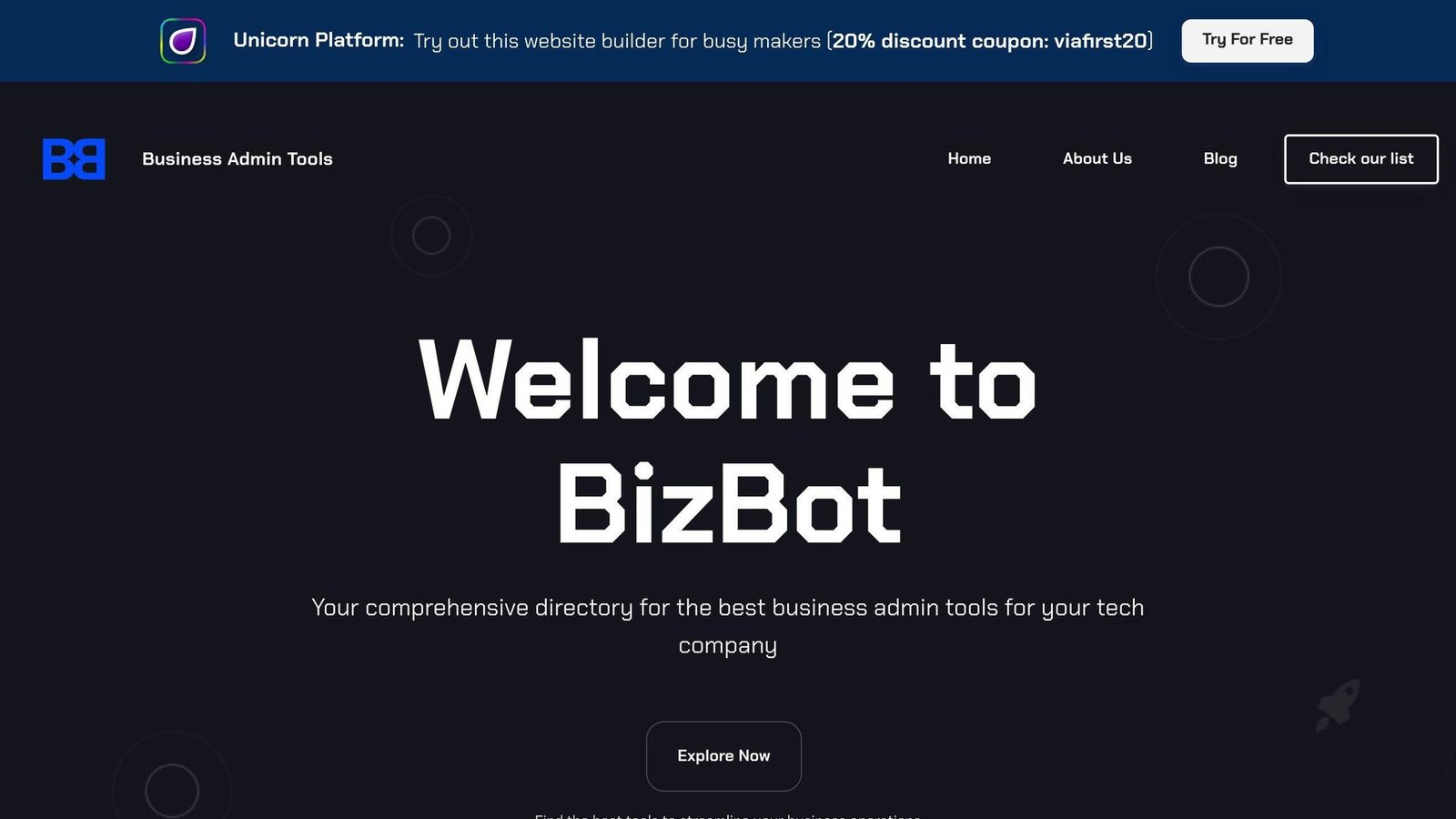
- BizBot: Directory tool to help choose the right onboarding software
Quick Comparison:
| Tool | Best For | Starting Price | Key Feature |
|---|---|---|---|
| BambooHR | Mid-size companies | Core $10/employee/month (25+ employees); from $250/month flat under 25 | Electronic signatures |
| Rippling | Fast-growing teams | Custom | Workflow automation |
| Deel | Global teams | Contractor management $49/contractor/month; US PEO $125/employee/month; global EOR $599/employee/month | International compliance |
| Workday | Enterprise | Custom | Learning integration |
| TriNet HR Platform (formerly Zenefits) | Small business | Not published | Benefits management |
| Gusto | Budget-conscious | Simple: $49/month base plus $6 per person/month | Payroll integration |
| Eddy | Mobile teams | Custom | Mobile access |
| ClearCompany | Mid to large orgs | Custom | Role-based workflows |
| Trainual | Training focus | Custom | Interactive content |
| BizBot | Tool comparison | Free | Tool directory |
Two figures that used to appear here – an 82% cut in new hire turnover and 50-plus hours saved monthly on paperwork – have been removed. Neither traces to a source we could check. What these tools actually do is take fixed admin work off a person: document collection, e-signature chasing, account provisioning and training assignment. Whether that pays back depends on how many people you hire a year and how much of that work a human is doing today. Prices below were checked in August 2026 against each vendor’s own pricing page; confirm before budgeting.
What Onboarding Tools Can Do
Modern onboarding tools have grown into much more than simple document management systems. These platforms now play a central role in helping companies streamline the way they welcome and integrate new employees. By automating repetitive tasks, HR teams can save a lot of time while making sure every new hire gets the same consistent experience.
One standout feature is their ability to offer personalized onboarding at scale. Tools like BambooHR and Rippling adapt the onboarding process to fit the needs of specific roles and departments. For example, a sales representative might gain early access to product training, while an IT professional is provided with technical documentation and logins right away.
Another key benefit is handling compliance requirements, which is especially pressing given today’s tighter regulations. Platforms like eLoomi and Absorb LMS help track and document training completions automatically. This ensures all compliance-related paperwork is signed and stored safely, with automated reminders to chase up anything pending, thereby reducing legal risks.
Onboarding tools also offer analytics to improve processes. HR teams can monitor completion rates, pinpoint bottlenecks, and evaluate engagement. Access to this kind of data lets organizations fine-tune their programs continuously, using real performance metrics to guide their updates.
| Key Function | Impact |
|---|---|
| Task Automation | Removes repeat admin: document routing, reminders, account setup |
| Compliance Management | Safeguards completion of mandatory steps |
| Progress Tracking | Provides real-time onboarding insights |
| Integration Capabilities | Links with existing HR tools for smoother workflows |
Mobile-friendliness is another area where these tools shine. Platforms like Connecteam are particularly useful for deskless workers, allowing them to complete onboarding tasks, access resources, and handle paperwork directly from their smartphones. This makes the onboarding process faster and easier to manage, especially for remote or on-the-go employees.
Lastly, integrated feedback tools allow organizations to gather honest input from new hires. Using platforms like Userpilot and Typeform, companies can uncover problem areas or ways to improve their processes. Insights like these create a feedback loop that helps refine and elevate the onboarding journey based on real employee experiences.
Must-Have Features in Onboarding Tools
When looking at onboarding platforms for 2024, some features are simply indispensable for ensuring a smooth and effective employee integration process. Modern tools should automate repetitive tasks to save time and energy. For example, platforms like Docebo and Userpilot use AI to build personalized learning paths, which cuts the manual setup work of building a path per role.
Another must-have? Strong integration capabilities. Today’s workplace depends on clean connections between systems, and the leading platforms make this easy. Tools like UserGuiding and WalkMe stand out by offering extensive API libraries to ensure smooth data sharing among HR systems, payroll software, and communication platforms.
| Feature Category | Key Components | Business Impact |
|---|---|---|
| Automation | Task scheduling, document routing, reminder systems | Fewer manual handoffs per hire |
| Integration | API connections, data sync, unified login | Simplifies workflows across multiple tools |
| Analytics | Progress tracking, completion rates, engagement metrics | Drives process improvements with actionable insights |
| Remote Support | Mobile access, cloud storage, virtual training | Facilitates onboarding for distributed teams |
Customization is essential to tailor onboarding to the needs of specific roles or departments. Tools such as eLoomi and Absorb LMS allow HR teams to create role-specific paths while staying compliant with company policies. These flexible options make it easier to address unique onboarding requirements for different employee groups.
Advanced analytics are another must for measuring and improving the success of onboarding programs. Many modern platforms include features like dashboards that monitor key metrics such as engagement and completion rates. Tools like Mixpanel and Heap go a step further, providing deep insights into user behaviors to help improve the onboarding experience based on real-world data.
Support for remote work has gone from being optional to absolutely necessary. Platforms with mobile-first designs, like Connecteam, make sure new hires can complete onboarding tasks regardless of their location or device. With full functionality on smartphones and tablets, these tools provide new hires the flexibility to stay productive wherever they are.
Finally, built-in feedback tools are crucial. The best onboarding platforms make it easy to collect employee input through surveys at different stages of the process. By doing this, organizations can pinpoint areas for improvement without overwhelming employees with excessive requests for feedback. This ongoing loop of input and adjustment ensures onboarding processes continuously improve based on employee experiences.
1. BambooHR
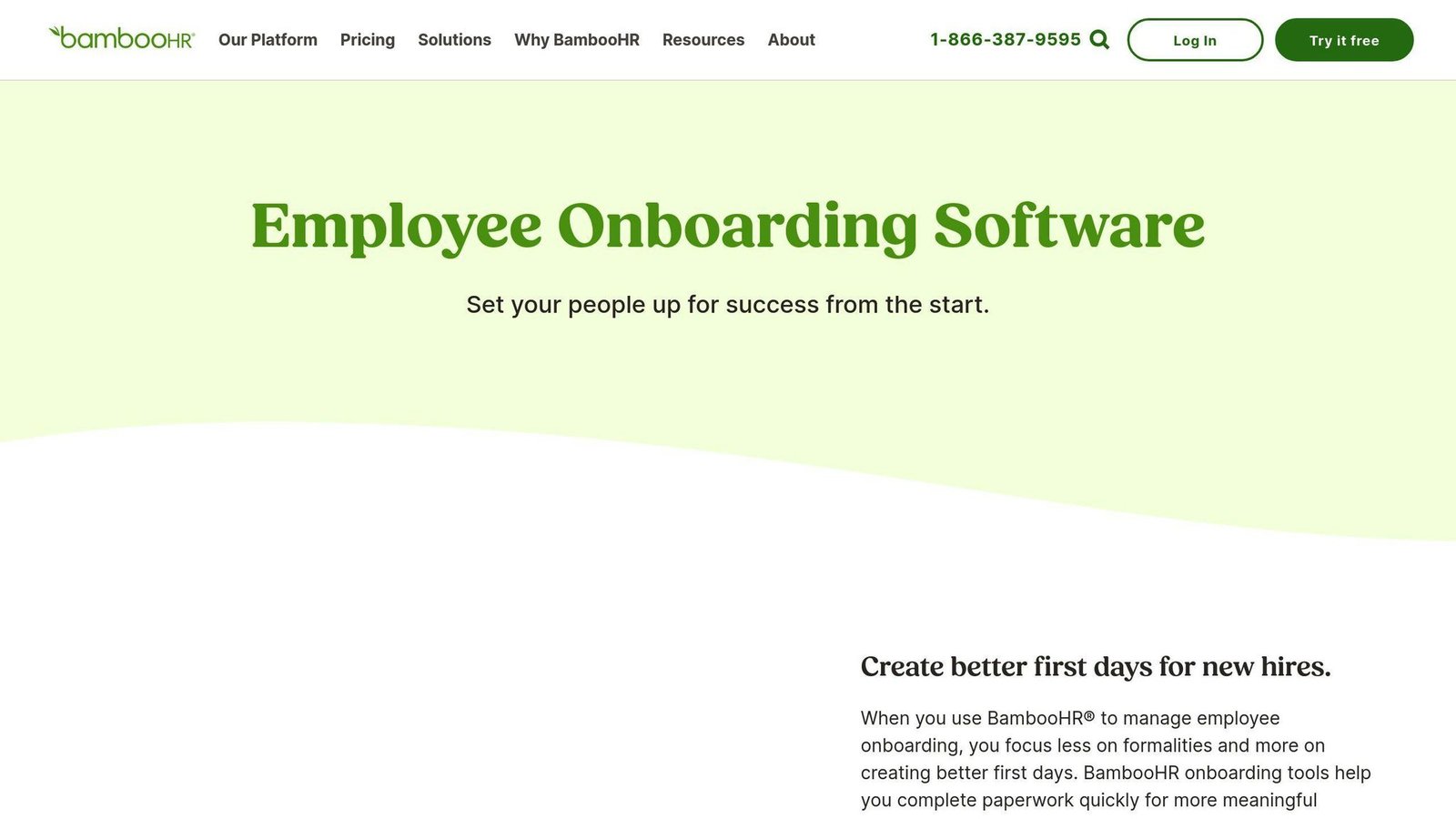
BambooHR turns traditional onboarding into an easy-to-manage digital process, helping HR teams stay organized while delivering a welcoming experience for new employees. The platform simplifies tedious administrative tasks and keeps a personal touch alive throughout the process.
BambooHR’s strength lies in its focus on customized onboarding. HR teams can create role-specific welcome packages, training materials, and other documentation. Plus, its electronic signature feature removes the hassle of physical paperwork by letting new hires complete necessary forms before they even step into the office.
| Feature | What it Does |
|---|---|
| Electronic Signatures | Speeds up paperwork processes |
| Automated Task Assignment | Keeps onboarding consistent |
| Custom Welcome Packages | Engages new employees |
| Integration Capabilities | Connects smoothly with HR systems |
Its intuitive interface makes BambooHR a go-to choice for companies looking to expand their onboarding efforts. You can set up standardized workflows that ensure consistency, but also tweak the process to match the needs of different roles or departments. This balance lets HR teams handle growth without losing the human touch.
BambooHR also plays well with others, integrating directly with tools your organization may already use. Whether it’s payroll systems or performance tracking platforms, employee data moves efficiently through all the necessary channels, creating a connected experience for HR operations.
BambooHR does publish prices, contrary to what this article said before. For 25 or more employees it charges per employee per month: Core $10, Pro $17, Elite $25. Under 25 employees it is a flat rate starting at $250 a month, which is the number to check first if you are small – it makes BambooHR expensive per head at ten employees and reasonable at forty. Payroll and benefits administration are add-ons.
2. Rippling
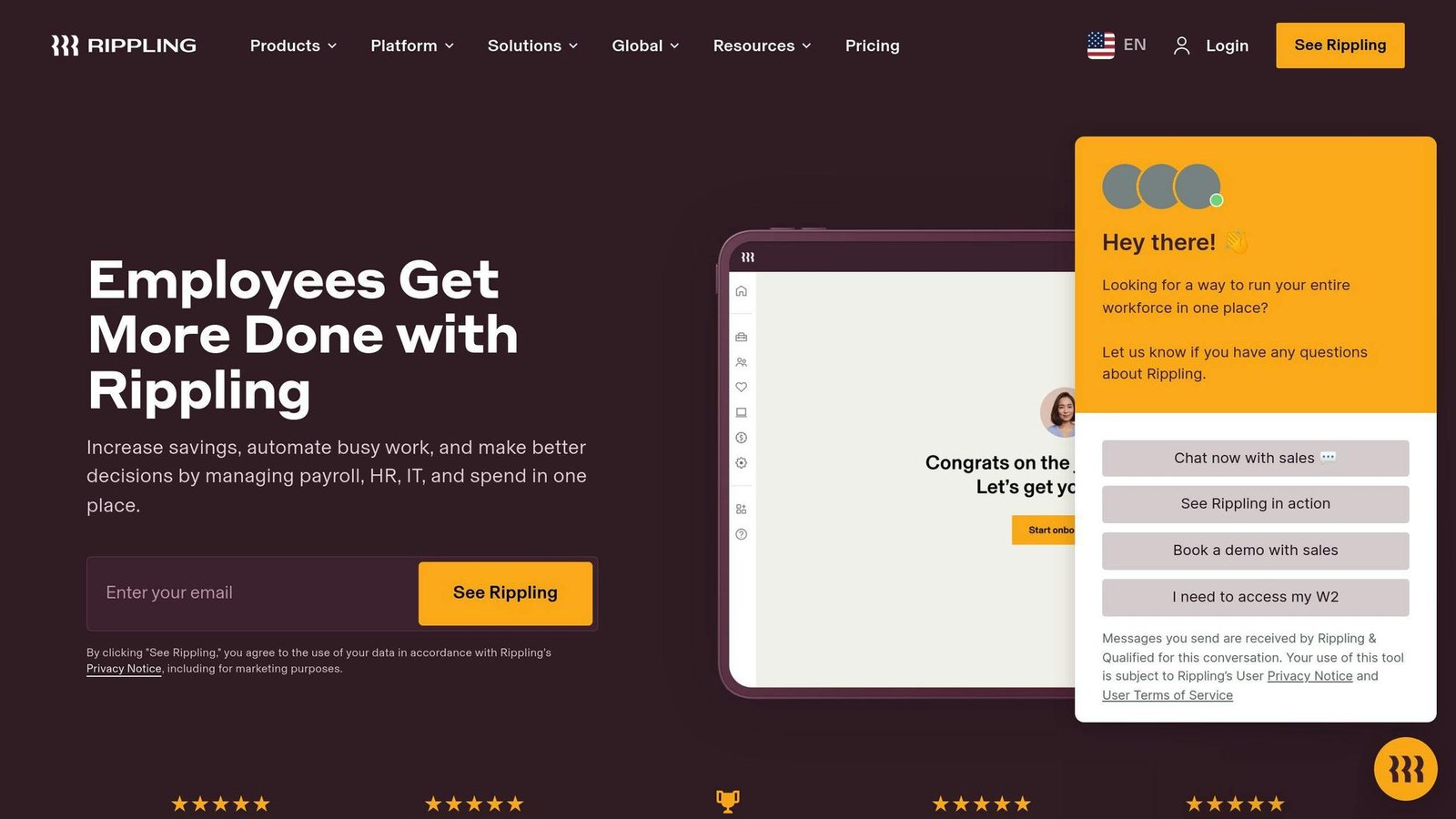
Rippling offers an all-in-one solution for employee onboarding. This platform removes much of the complexity from onboarding tasks while ensuring legal compliance across different regions.
What makes Rippling shine is its ability to handle both the logistics and the employee experience side of onboarding. Its automated features cover everything from signing documents to setting up equipment, cutting down the workload for HR teams in a significant way.
| Feature | Advantage |
|---|---|
| Automated Workflows | Handles document signing, account provisioning and equipment setup without manual steps |
| Compliance Tools | Ensures legal obligations are met everywhere you operate |
| Real-Time Tracking | Lets you check onboarding progress instantly |
| Integrations | Easily connects with existing HR systems |
Rippling raised a $500 million Series E in March 2023. This backing has allowed the company to expand its personalization options, making it easier for businesses to design onboarding experiences tailored to specific roles and unique needs.
Rippling is built to grow alongside your business. Whether you’re bringing on one new hire or a whole team, it delivers consistent experiences while customizing details for different roles. The real-time progress tracking ensures any issues are spotted and resolved quickly.
Rippling does not publish rates. Pricing is modular – you buy a platform base plus the modules you use (HR, payroll, IT, spend) – so a quote depends as much on which modules you switch on as on headcount. Ask for the base fee and each module separately, or the comparison with a standalone tool is meaningless.
3. Deel
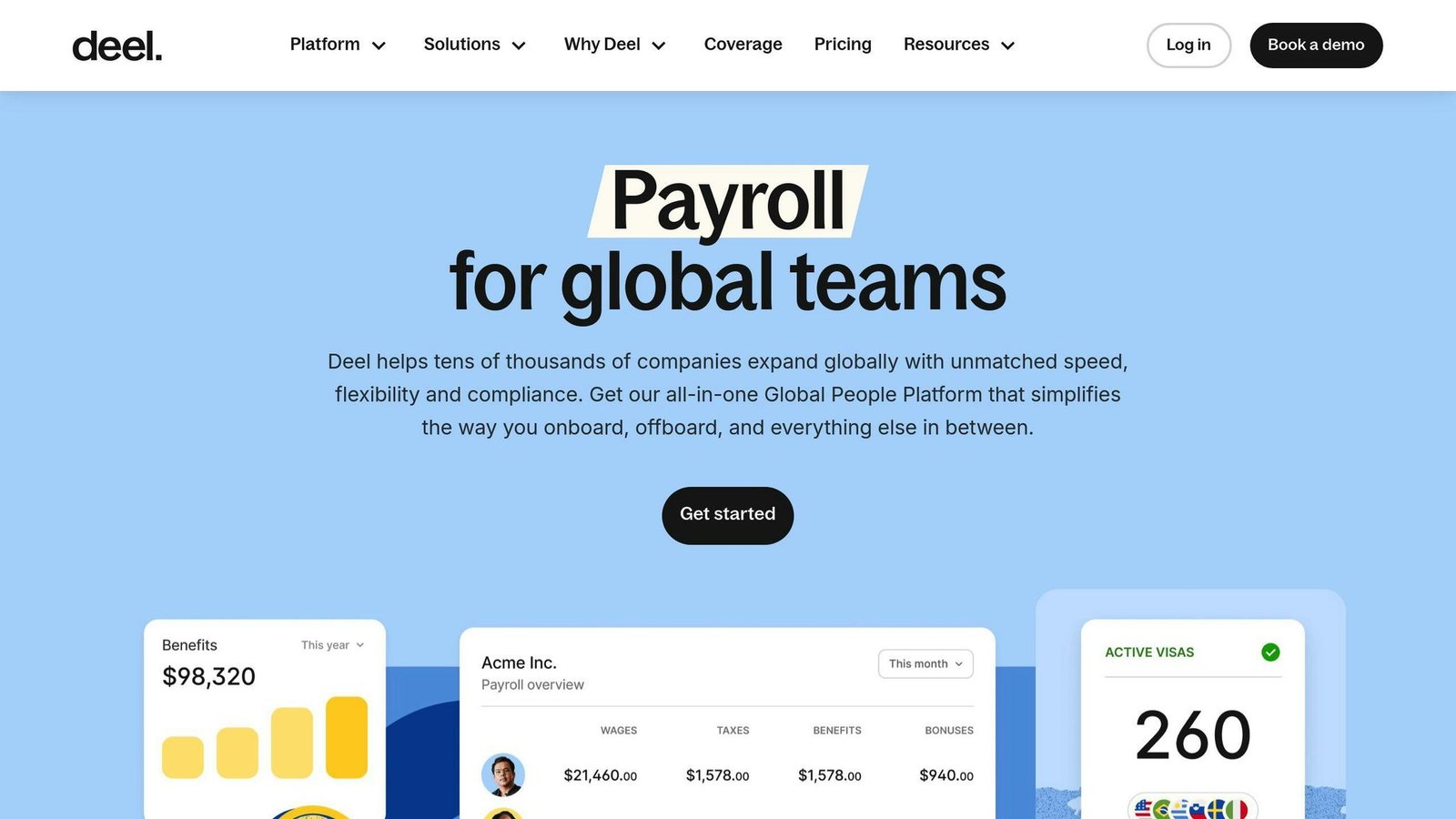
Deel has positioned itself as a leader in global employee onboarding, offering tailored solutions for businesses expanding their teams internationally. The platform shines in its ability to support onboarding in over 150 countries while managing the often-complicated compliance process.
What makes Deel stand out is how it handles international hiring. It automatically adjusts onboarding workflows according to specific local labor laws, ensuring companies stay compliant no matter where they hire. This eliminates the hassle – and cost – of navigating legal consultations for each new market.
| Feature | Global Reach |
|---|---|
| Geographic Coverage | Supports over 150 countries |
| Compliance Tools | Automates labor law processes |
| Payment Options | Supports various currencies and methods |
| Document Management | Generates country-specific contracts |
Deel also offers payroll and benefits management that’s built right into the platform. It takes care of salary, local tax calculations, and related requirements, allowing new employees to receive their compensation quickly after onboarding.
For HR teams managing multiple remote hires, Deel is particularly helpful. Its intuitive interface allows managers to oversee multiple onboarding workflows simultaneously. Plus, it integrates easily with existing HR tools, so companies can continue using their preferred setup while expanding to new markets.
Deel publishes per-product rates rather than a single subscription, and there is no free basic plan on the pricing page: contractor management is $49 per contractor per month, contractor of record $325, US PEO $125 per employee per month and global employer of record $599 per employee per month. The employer-of-record figure is the one that decides most budgets – it is what you pay to employ someone in a country where you have no entity.
4. Workday
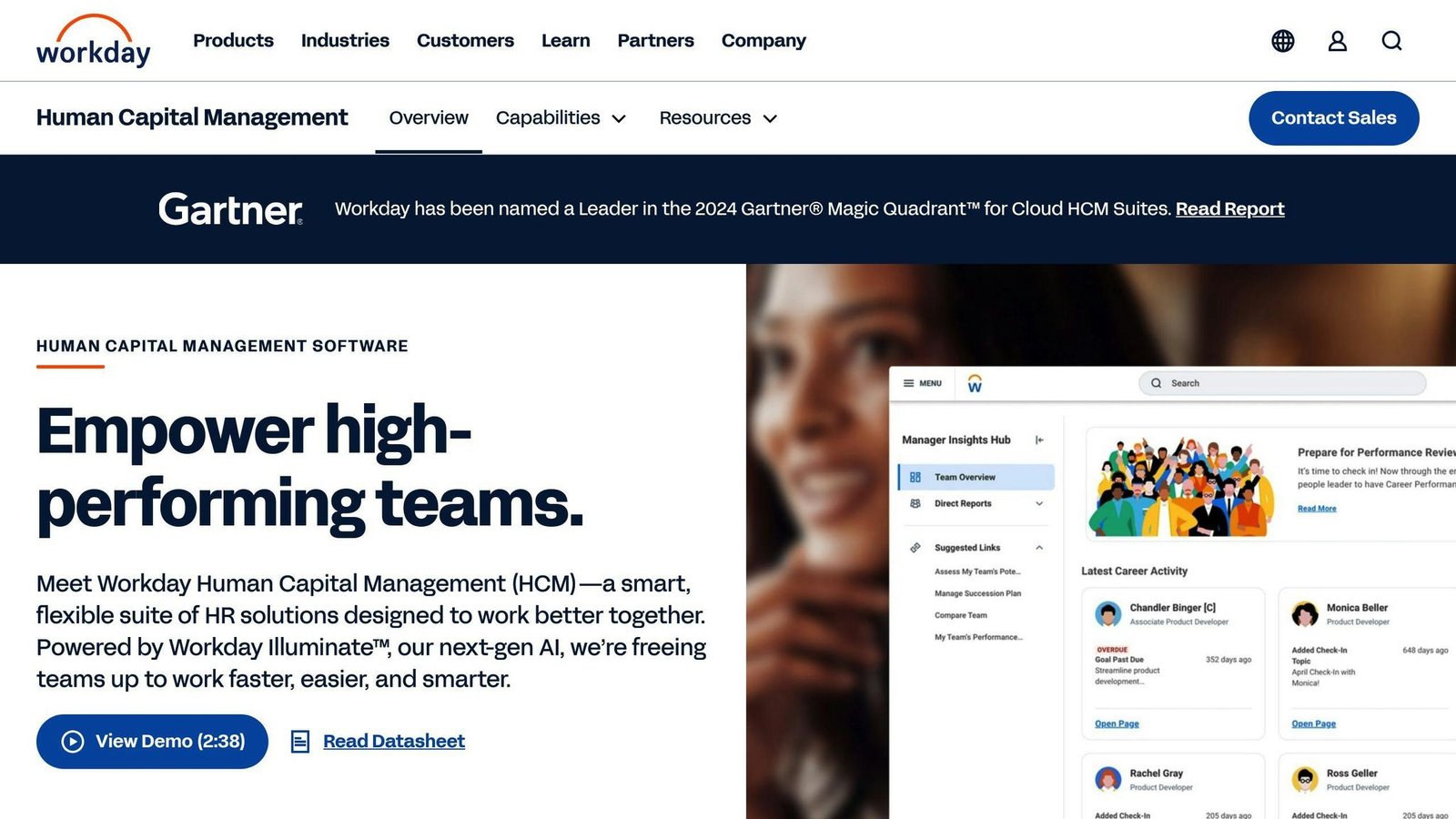
Workday is a human capital management platform designed to simplify the onboarding process while covering the entire employee lifecycle in one unified system. It transforms onboarding into a fully digital, hassle-free experience.
What makes Workday stand out is its focus on automation. By automating tasks like document processing, compliance checks, and training assignments, the platform eliminates tedious manual work. This is especially useful for large companies juggling multiple onboarding processes at once.
| Feature | What It Offers |
|---|---|
| Workflow Automation | Pre-built templates and customizable workflows |
| Learning Integration | Tailored training paths with progress tracking |
| Analytics Dashboard | Real-time metrics to monitor progress |
| System Integration | Syncs easily with existing HR tools |
The learning management feature is a key strength of Workday. Instead of offering basic, one-size-fits-all onboarding tools, it delivers tailored training paths suited to specific roles. This means employees get the right materials and resources from day one, helping them hit the ground running.
Workday also excels in providing real-time analytics. With detailed dashboards, HR teams can easily track onboarding completion rates, find potential slowdowns, and adjust processes based on data. This level of insight keeps onboarding efficient and ensures compliance across departments.
Pricing for Workday varies depending on the size of the organization and the features needed – it operates on a flexible, custom pricing model. While this may not suit smaller businesses, mid to large enterprises often find its range of functionality and scalability worth the investment.
Another highlight is Workday’s user community, which brings together a wealth of knowledge. Businesses can tap into real-world advice and strategies for optimizing their onboarding systems. This active community enables users to get the most out of Workday by learning from others who’ve successfully implemented the platform.
5. TriNet HR Platform (formerly Zenefits)
Zenefits no longer exists as a brand. TriNet acquired it and the platform is now sold as the TriNet HR Platform, so if Zenefits is on your shortlist you are shopping for a TriNet product. It is an all-in-one HR platform that ties onboarding to the rest of the HR record.
What sets the platform apart is its tailored onboarding experience. Instead of a generic solution, it delivers role-specific onboarding processes, ensuring every employee gets training and resources relevant to their unique position and department.
| Feature | What It Does |
|---|---|
| Automated Workflows | Collects and files new hire paperwork digitally |
| Benefits Integration | Simplifies enrolling in employee benefits during onboarding |
| Compliance Management | Keeps track of different regulatory requirements automatically |
| Digital Document Management | Organizes all employee records in one place |
One of the standout elements here is the platform’s ability to manage compliance tasks. It keeps tabs on state and local regulatory changes, automatically updating policies and reducing the administrative load on HR teams.
The $8 per employee per month figure this article used to quote belonged to the old Zenefits price list and is no longer published. TriNet quotes its HR platform, and its PEO offering is priced differently again, so get both quotes in writing before comparing it with anything else here.
Another benefit? Its compatibility with other HR tools and productivity software. By syncing onboarding data across platforms, it prevents duplicate data entry and reduces errors. This modern, digital-first approach fits right in with today’s HR needs, making it a practical choice for businesses aiming to streamline their onboarding processes.
6. Gusto
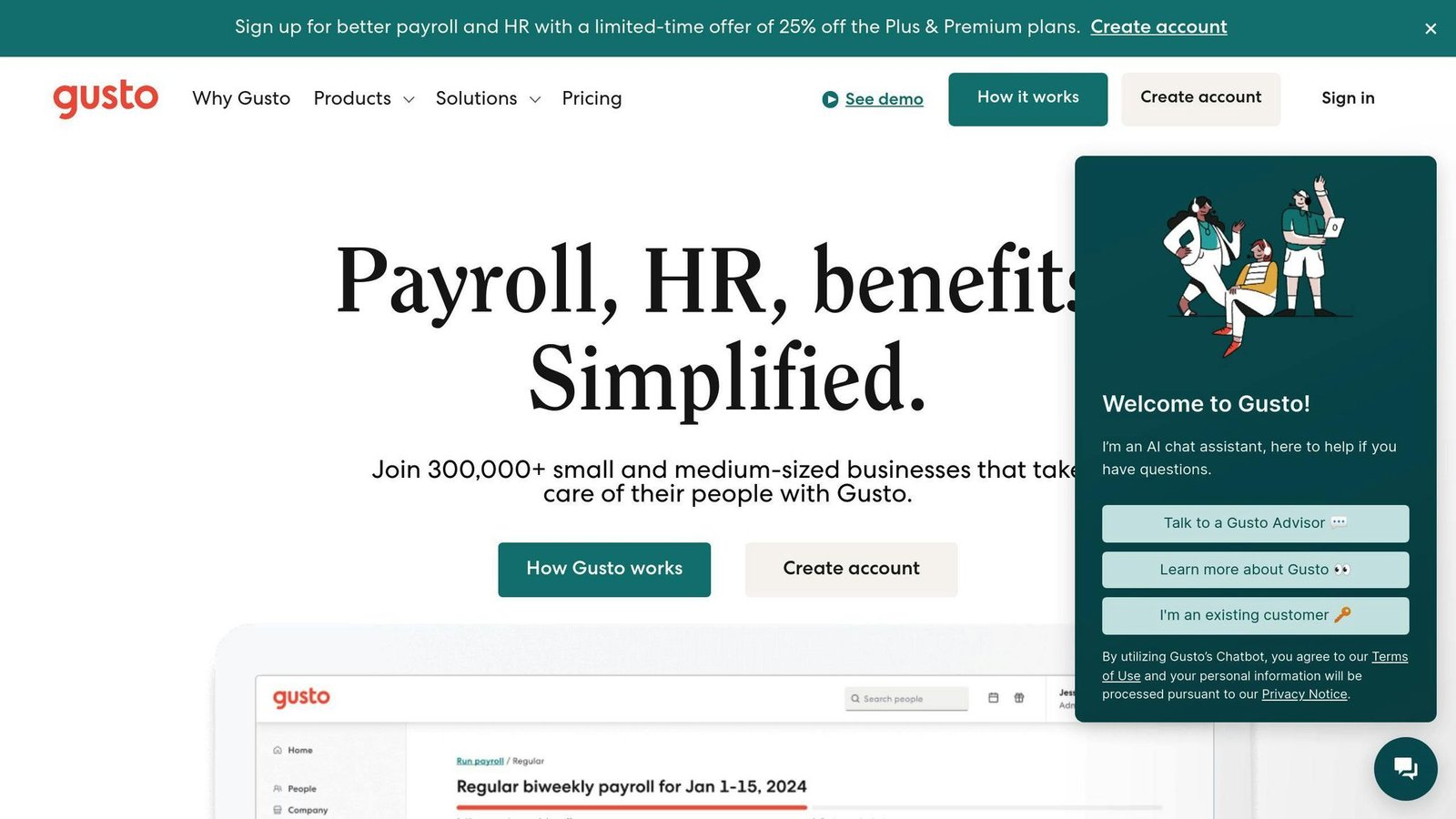
Gusto simplifies employee onboarding with its automated workflows, turning what’s often a complicated process into an efficient, digital experience. The platform excels at combining HR and payroll capabilities, making it a perfect fit for small to medium-sized businesses.
One of Gusto’s standout features is its customizable onboarding templates. HR teams can design workflows tailored to specific roles, adjusting automatically based on department, position, or location. This ensures new hires get the exact information and tasks relevant to their roles – nothing more, nothing less.
| Feature | Description |
|---|---|
| Automated Workflows | Handles forms like I-9s and W-4s digitally, removing the need for paper |
| Progress Tracking | Lets HR monitor onboarding completion in real time |
| Template Library | Offers customizable workflows for different roles and departments |
| Integration Hub | Easily connects with existing HR tools |
With real-time tracking, HR teams can see where employees are in the onboarding process, spot delays, and step in to help when needed. This keeps everything moving smoothly and ensures no new employee gets stuck on administrative issues.
Gusto no longer sells a Core plan, and the $6 figure this article used to quote left out the base fee. Current pricing: Simple is $49 a month plus $6 per person, Plus is $80 plus $12 per person, and Premium is $180 plus $22 per person. There is also a contractor-only plan at $6 per person with no base fee. For a five-person company on Simple that is $79 a month, not $30. Plus, Gusto’s all-in-one HR suite lets businesses manage tasks like offer letters, benefits enrollment, and more – all in one place. This eliminates the need for juggling multiple software solutions.
One more thing to note: Gusto integrates with existing HR systems. This means smoother data transfers, fewer duplicate entries, and accurate records across all platforms. For businesses expanding quickly, this level of automation and connectivity makes scaling up their onboarding process far more manageable.
7. Eddy
Eddy simplifies the employee onboarding process with a platform designed to automate time-consuming tasks while keeping the experience personal for new hires. It ensures employees feel supported throughout their journey, cutting down on administrative work for HR teams.
One of Eddy’s standout features is its tailored training paths. HR teams can easily create onboarding programs that adjust based on an employee’s role and department. For instance, a sales associate and a software developer receive content specific to their responsibilities, keeping training relevant and engaging.
| Feature | What It Does |
|---|---|
| Automated Workflows | Removes the need for manual paperwork handling |
| Custom Learning Paths | Provides role-specific training materials |
| Progress Dashboard | Tracks onboarding progress in real-time |
| Mobile Access | Allows onboarding from any location via smartphones |
| HR System Integration | Syncs with existing HR tools |
Eddy’s mobile-first design makes it especially useful for teams that include remote employees or deskless workers. Using their smartphones, new hires can complete training modules, handle documentation, and tick off onboarding tasks quicker and easier.
Pricing details aren’t published on their website – you’ll need to reach out to their sales team for a customized quote. Eddy competes with BambooHR and Rippling on function. Its real-time dashboard helps HR teams quickly identify areas where new hires might be stuck and step in before small problems snowball.
Another key highlight: Eddy’s system integrates with existing HR software. This integration eliminates redundant data entry and keeps employee records accurate across all platforms – perfect for growing businesses managing multiple tools at once.
8. ClearCompany
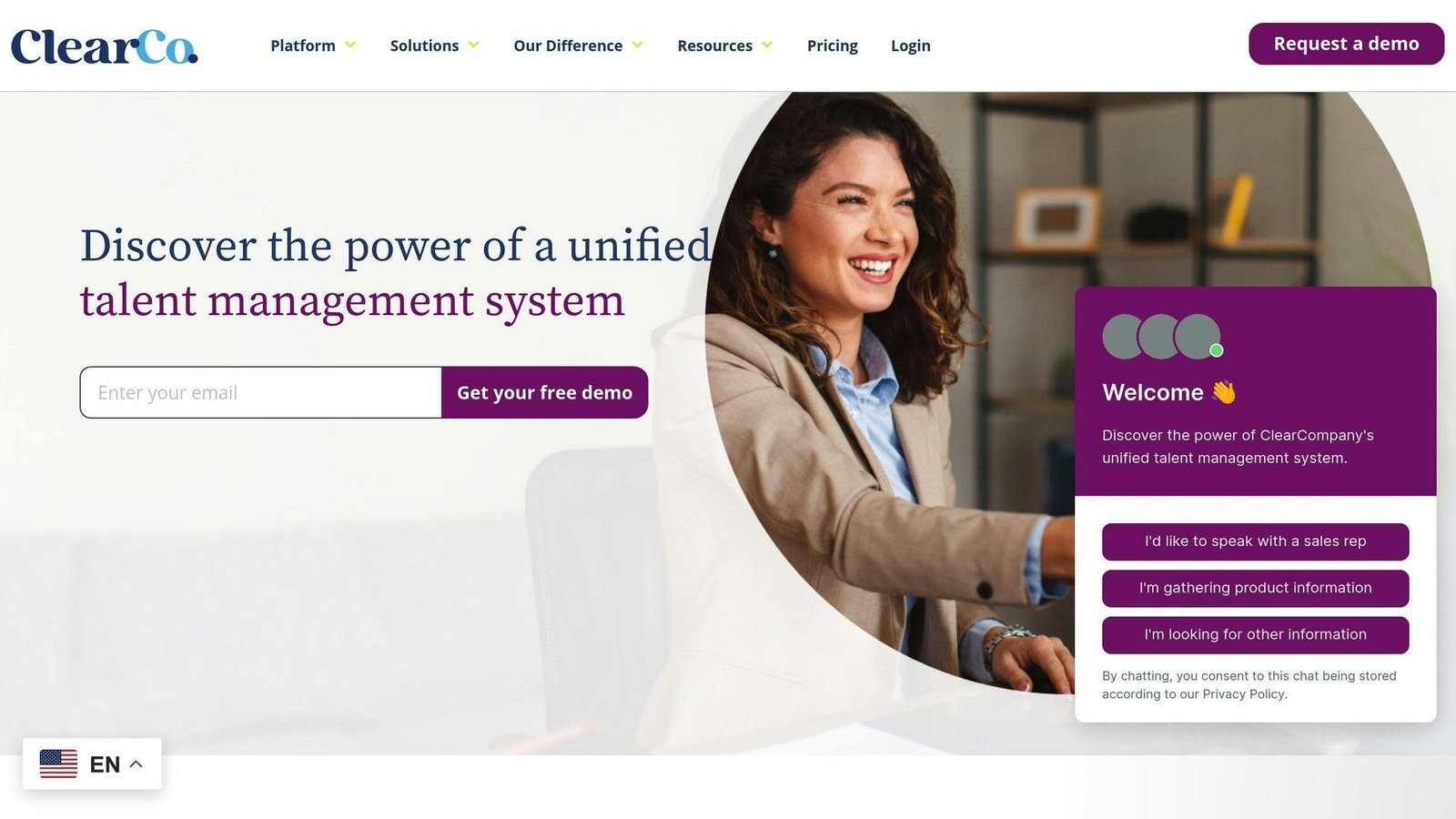
ClearCompany makes its mark in the onboarding world by offering personalized experiences for new hires while cutting through time-consuming admin tasks. It’s built to craft tailored onboarding processes that suit different roles and departments within an organization.
A standout feature here is ClearCompany’s automated workflow system. It streamlines everything from managing documents to setting up training schedules. Plus, with its electronic signature tool, there’s no need for endless paperwork. New hires can finalize all their documents online – even before their first day.
| Feature | What It Does |
|---|---|
| Role-Based Workflows | Offers tailored onboarding paths for various roles |
| E-Signature Integration | Enables easy, paperless document handling |
| Progress Monitoring | Tracks onboarding steps in real-time |
| HR System Sync | Syncs with existing HR tools |
| Live Dashboard | Provides immediate insights into onboarding progress |
The platform’s real-time tracking lets HR teams see exactly where each new employee is in their onboarding process. This oversight helps HR teams tackle potential delays before they disrupt a new hire’s first steps into the company.
Though ClearCompany doesn’t share pricing details openly, its features are geared toward medium to large businesses needing advanced onboarding tools. Its ability to integrate smoothly with existing HR systems makes it an excellent option for organizations managing multiple HR platforms.
ClearCompany’s secret weapon? Speeding up the process of getting new hires fully operational. By fine-tuning onboarding journeys based on job roles, the system ensures every new employee gets the specific training and resources they need for success right from the start.
9. Trainual
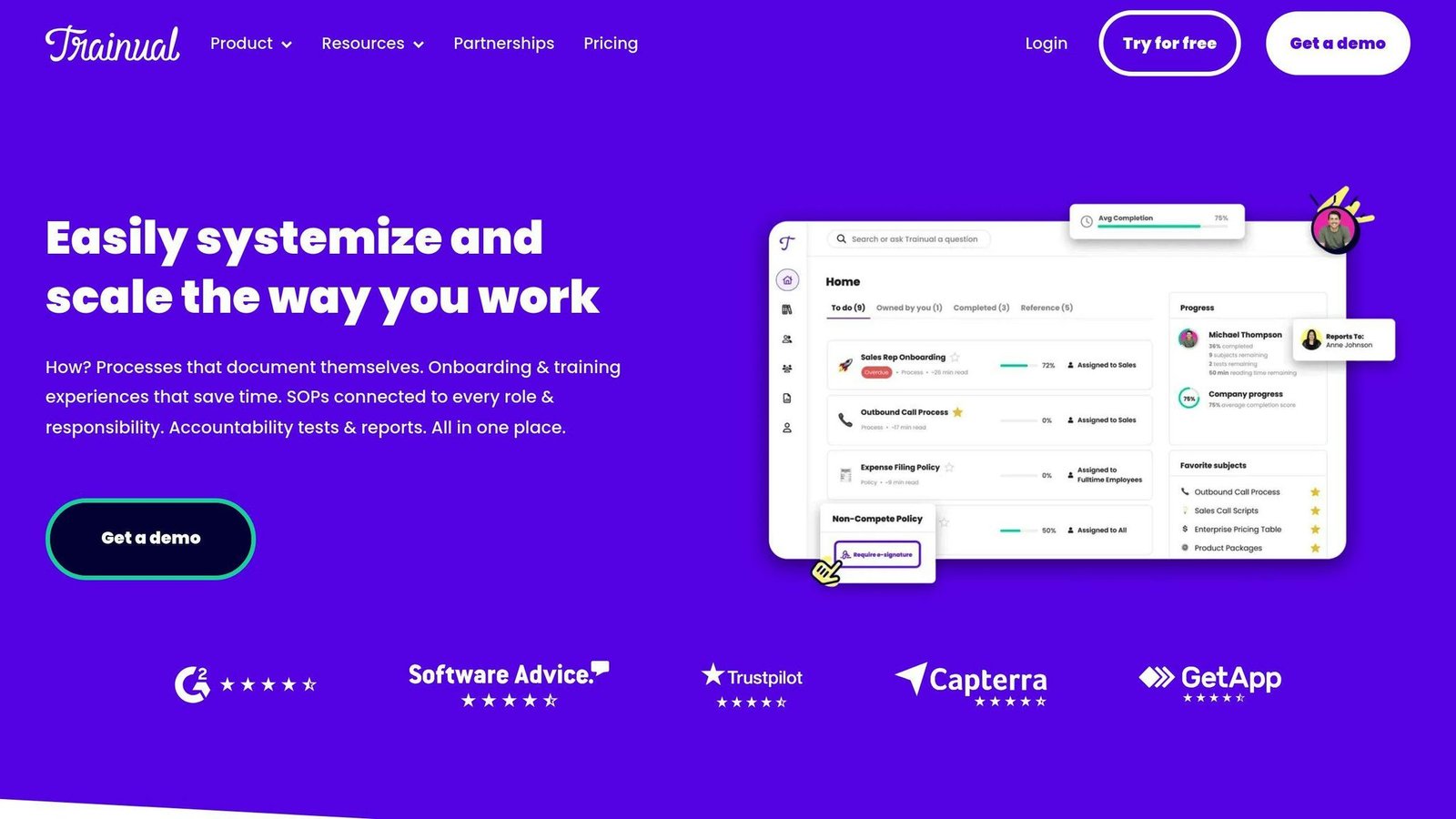
Trainual focuses on making employee onboarding easier by emphasizing training and knowledge sharing. It takes traditional onboarding manuals and turns them into interactive, easy-to-follow content that’s simple for new hires to use.
What makes Trainual distinct is its strong content creation tools. HR teams can build training materials using videos, interactive quizzes, and step-by-step guides. This approach helps deliver personalized onboarding tailored to specific job roles and company procedures.
| Feature | Description |
|---|---|
| Content Creation | Create custom videos, quizzes, and interactive training modules |
| Progress Tracking | Monitor new hire progress and completion in real time |
| Mobile Access | Access the platform fully through smartphones and tablets |
| Compliance Tools | Automate tracking of training deadlines and certification criteria |
| Integration Options | Connects with HR and productivity tools |
Trainual also takes a mobile-first approach, enabling new hires to access training on smartphones or tablets. This setup is perfect for remote or field employees who may not be anchored to a desk. The mobile app offers full functionality, so users can keep up with their onboarding tasks wherever they are.
Another noteworthy feature is the compliance management system, which handles tracking of training deadlines and certification requirements automatically. This reduces the administrative load on HR teams while ensuring the company meets regulatory standards.
With real-time tracking tools, managers can quickly see who’s on track or falling behind. This allows them to address issues early, ensuring new hires get what they need to succeed and stay aligned with the onboarding schedule.
10. BizBot
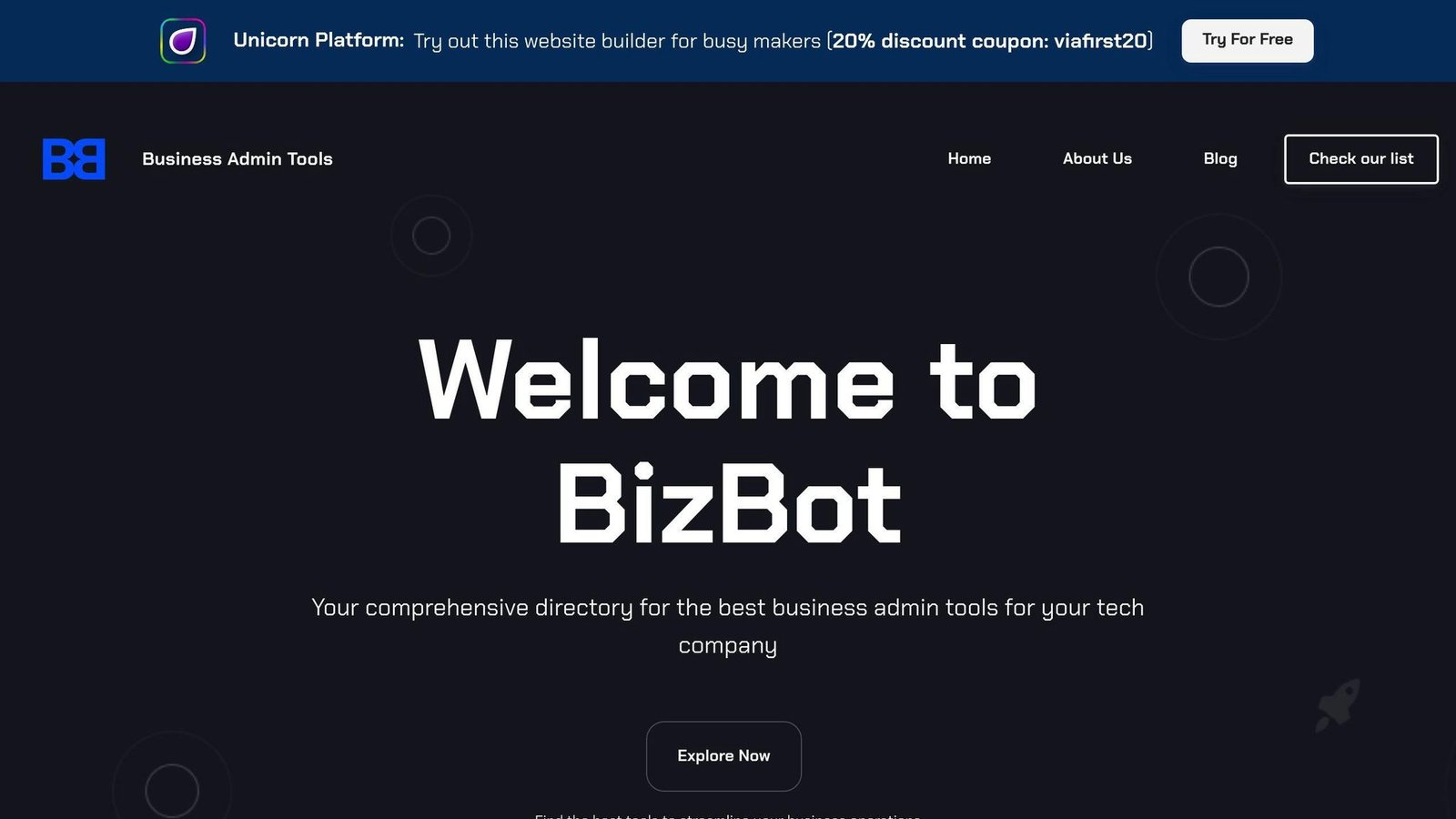
BizBot isn’t your typical onboarding tool. Instead, it acts as a directory designed to help HR teams and business owners pinpoint the right onboarding solutions that suit their needs. The platform curates a range of business administration tools, with a strong focus on HR and employee management.
What makes BizBot stand out is its detailed comparisons and in-depth insights across HR tools. This approach simplifies the process for companies trying to find the best onboarding platforms. It’s especially handy for businesses looking to streamline their HR tech setup as they grow.
| Directory Features | Perks |
|---|---|
| HR Tools Section | A carefully selected mix of onboarding and HR management tools |
| Tool Comparison | Feature-by-feature and pricing comparisons made simple |
| Business Size Flexibility | Fits everyone from freelancers to expanding teams |
| Subscription Tracking | Manage and optimize your HR-related spending |
| Integration Details | Understand tool compatibility with your current systems |
Thanks to its focus on easy-to-use solutions, BizBot is an excellent resource for small business owners and HR professionals who need to quickly evaluate and compare onboarding tools. By offering rich details on each option, the platform equips organizations to make smarter decisions about their HR tech investments.
“BizBot’s directory serves as a crucial resource for businesses looking to optimize their administrative operations, including employee onboarding processes”, says Didrik Martens, one of BizBot’s founders. “Our platform helps companies navigate the complex landscape of HR tools and find solutions that match their specific needs.”
Although BizBot doesn’t perform onboarding tasks itself, it plays a key role in guiding organizations to the right tools for the job. Its subscription tracking feature also helps businesses keep an eye on expenses, ensuring cost-efficient onboarding processes remain in place.
Picking the Right Onboarding Tool
Choosing the right onboarding tool starts with a clear understanding of what your company needs now and as it grows. A retention figure of 82% was quoted here previously; it is repeated all over the web without a traceable primary study, so it has been removed.
Start by looking at the size of your workforce and your growth plans. Note that eloomi, which this article previously listed at $3 per user per month, was acquired by Dayforce in February 2024 and is now sold as part of the Dayforce range; the $3 figure is not published anywhere we can verify and has been removed. Absorb LMS quotes rather than publishes.
Integration matters. The tool you choose must fit your existing HR systems and processes. In recent years, digital adoption tools like Pendo and Heap have gained attention for combining analytics with onboarding capabilities, making them versatile options.
| Company Size | Suggested Tools | Key Focus Areas |
|---|---|---|
| Startups (<50 employees) | No-code tools (Userpilot, UserGuiding) | Easy setup, affordable pricing |
| Mid-size (50-500) | Platforms (eloomi, now part of Dayforce; Absorb LMS) | Scalability, integration |
| Enterprise (500+) | Tailored enterprise solutions | Advanced features, global support |
Before committing, run a pilot with one team and one real intake of hires. That is the only way to find out whether the workflow builder fits how you actually hire, and it is cheaper than discovering it in month four of an annual contract.
If budgets are tight, compare pricing and features on platforms like BizBot. This method helps you avoid paying for unneeded features while ensuring you pick a tool that matches your requirements.
Finally, check user reviews from sites like G2 to get practical perspectives on any tool you’re considering. These reviews often reveal insights and limitations that you won’t find in vendor marketing materials.
The ultimate goal? Strike a balance between what you need right now and what you’ll need as your company grows. While no-code options are easy to get started with, make sure they can scale as you expand. Revisiting and reassessing your onboarding tool regularly will keep your process effective as your business evolves.
Wrap-Up
The turnover and time-saving statistics that closed this article have been removed: an 82% turnover cut and 50 hours saved per month, neither of which we could trace to a published study. The honest version is narrower. These tools move fixed admin work off a person and make the same steps happen for every hire. The saving scales with hiring volume, so a company hiring four people a year will not notice it and a company hiring forty will.
For companies still evaluating options, resources like BizBot provide a detailed directory of HR and management tools, making it easier to compare features and select the best fit. Whether you’re a startup utilizing Trainual for specialized learning paths or a larger organization relying on Workday’s in-depth data tools, the focus should be on choosing a platform that adapts to your business as it evolves.
More on this topic
Browse all 52 articles on HR & People Ops.