
Disclosure: This page contains commercial links. BizBot may earn a commission from qualifying purchases. Paid placements do not buy a better ranking. Read our affiliate disclosure.
ZeroBounce vs NeverBounce is a useful comparison for businesses trying to keep email lists clean, reduce bounces, and avoid wasting campaigns on addresses that no longer work. Both platforms verify email addresses in bulk and in real time, but they differ in the additional tools they provide and how broadly they approach email deliverability.
That distinction matters because email verification is only one part of maintaining healthy email performance. Google’s email sender guidelines advise senders to monitor delivery problems and follow authentication and spam-prevention requirements. For businesses that depend heavily on email, list quality can directly affect how reliably campaigns reach their intended recipients.
For a small business cleaning a mailing list before a campaign, straightforward verification may be enough. A business that relies heavily on email may also want tools for inbox placement, blacklist monitoring, email scoring, and other aspects of deliverability.
This ZeroBounce vs NeverBounce comparison looks at the practical differences, including verification, bulk list cleaning, real-time validation, integrations, APIs, deliverability tools, and pricing.
ZeroBounce vs NeverBounce: Quick Comparison
| Feature | ZeroBounce | NeverBounce |
|---|---|---|
| Bulk email verification | Available | Available |
| Real-time verification | Available | Available |
| Verification API | Available | Available |
| List cleaning | Available | Available |
| Disposable email detection | Available | Available |
| Catch-all detection | Available | Available |
| Free testing | Available | Available |
| Inbox placement tools | Available | Verification-focused |
| Blacklist monitoring | Available | Verification-focused |
| Email scoring | Available | Verification-focused |
| Pay-as-you-go | Available | Available |
| Main focus | Email validation and broader deliverability tools | Email verification and list cleaning |
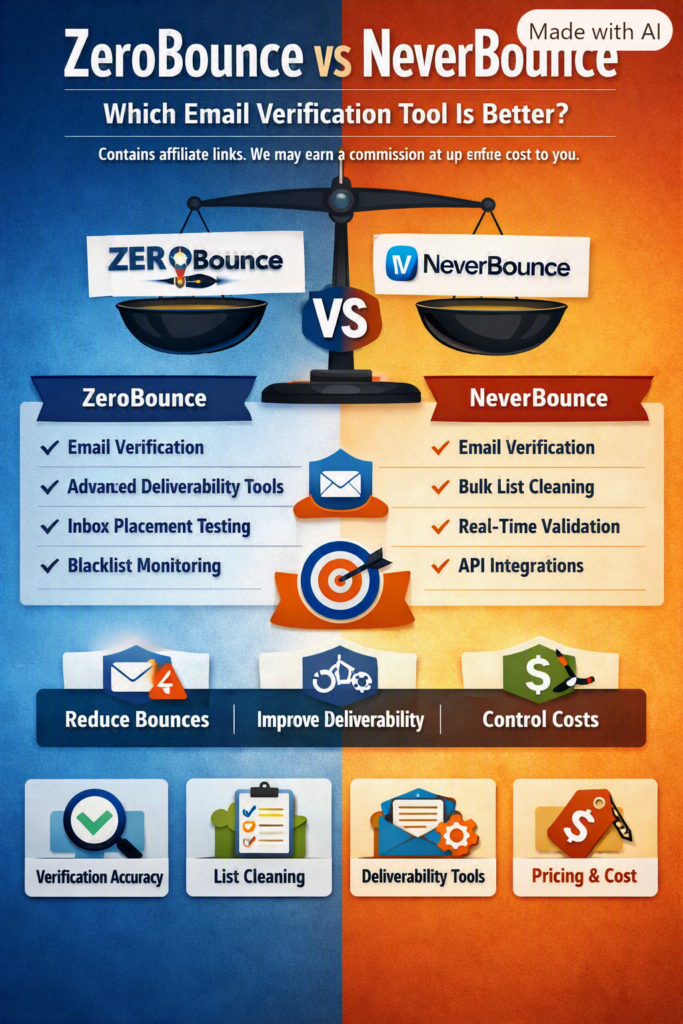
The main difference is scope. NeverBounce is primarily centered on email verification and list cleaning, while ZeroBounce has expanded into a broader collection of email deliverability tools.
That doesn’t automatically make one better. If your only requirement is cleaning a database before sending a campaign, additional deliverability features may not be particularly important.
What Is ZeroBounce?
ZeroBounce is an email validation and deliverability platform designed to identify invalid and potentially risky email addresses before businesses send to them.
You can upload an existing mailing list for bulk validation or use its API to check addresses as they enter your database. Beyond verification, the platform provides tools for areas such as inbox placement, blacklist monitoring, and email scoring. Its current pricing remains volume-based, with the cost per verification decreasing at higher volumes.
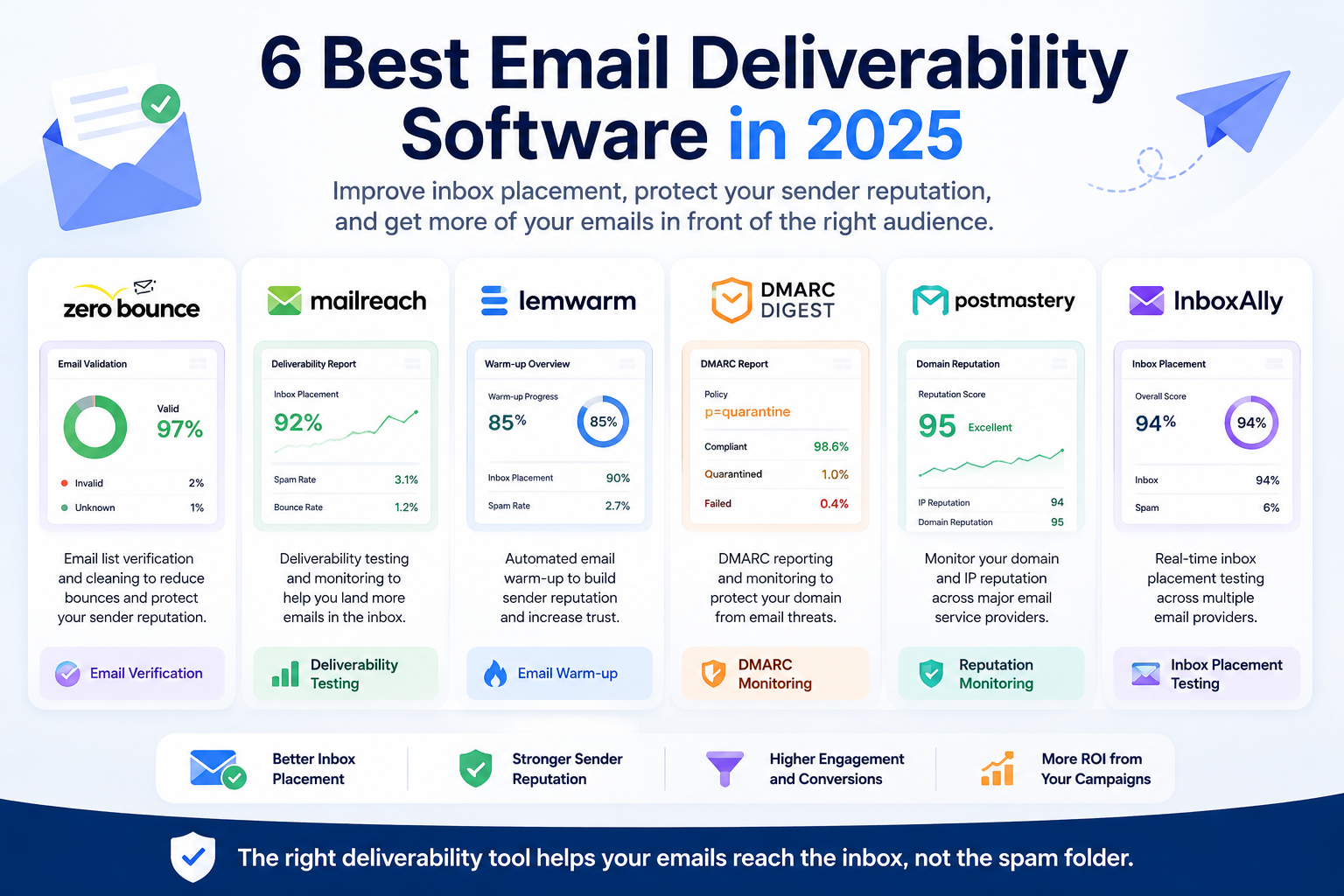
This broader approach is worth considering because email problems don’t always begin with invalid addresses. A clean list can still experience poor inbox placement if there are problems elsewhere in the sending process. Bizbot’s overview of the best email deliverability tools for businesses explains how verification fits alongside other measures such as authentication, sender reputation, and deliverability monitoring.
What Is NeverBounce?
NeverBounce is an email verification service focused on bulk list cleaning and real-time email validation.
Businesses can use it to check an existing database before a campaign or integrate verification into forms and other systems so addresses can be checked when they’re collected.
This is an important distinction from a full email marketing platform. NeverBounce isn’t intended to design newsletters, build automated campaigns, or replace your email marketing software. Its job is much narrower: help determine whether the email addresses entering or remaining in your database are suitable for sending.
That focused approach can be attractive to businesses that already have their email marketing and deliverability processes in place and simply want a dedicated verification layer.
ZeroBounce vs NeverBounce for Email Verification
At their core, both products are trying to answer the same basic question:
Is this an email address you should send to?
In practice, email verification involves considerably more than checking whether an address contains an @ symbol and a valid domain.
A verification service may examine whether the mailbox appears valid, whether the address is disposable, whether the receiving server accepts mail, and whether the result is uncertain enough that sending should be treated cautiously.
Both ZeroBounce and NeverBounce can be used before a campaign to clean an existing database. They can also be incorporated earlier in the process so problematic addresses are identified when they’re submitted.
The second approach can be more useful over time.
Cleaning a database every few months deals with bad data after it has accumulated. Real-time verification can help prevent some of that data from entering the database in the first place.
This becomes especially useful when businesses are automating repetitive tasks and data flows. Automation can move information between forms, CRMs, email platforms, and other systems quickly, but inaccurate contact information can move just as quickly.
Why Email Verification Matters Before You Send
Email lists don’t remain accurate indefinitely.
People change jobs. Companies close. Domains expire. Employees abandon old accounts. Customers also make simple typing mistakes when completing forms.
If those addresses remain in your database, campaigns can gradually accumulate more bounces and unusable contacts.
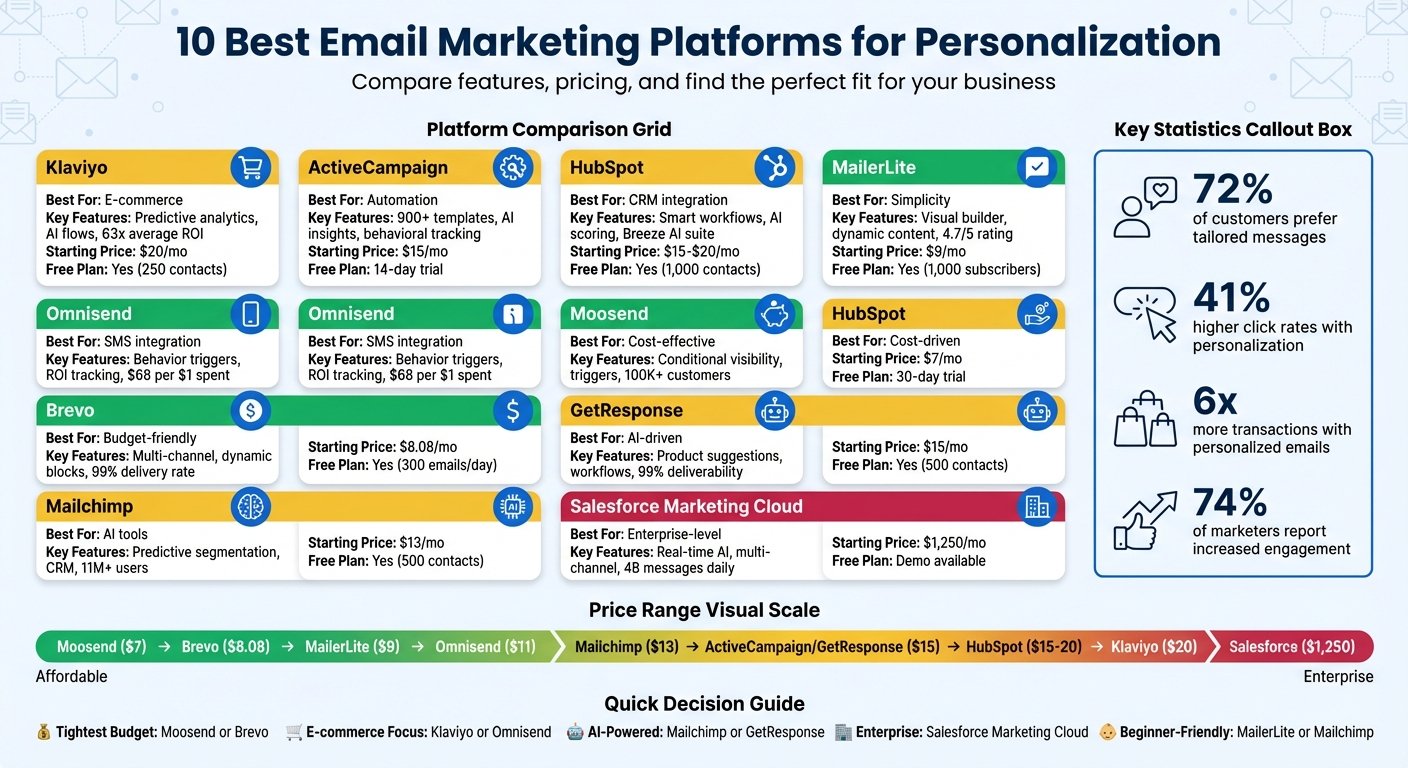
This is why list quality should be considered alongside the email platform itself. Bizbot’s comparison of email marketing tools and automation platforms shows how businesses increasingly rely on automation to manage larger contact databases and customer journeys. The cleaner the information entering those systems, the less unnecessary data the automation has to process.
Verification won’t solve every deliverability problem. It won’t fix weak content, poor authentication, spam complaints, or a damaged sender reputation.
What it can do is remove one obvious source of trouble: repeatedly sending to addresses that should no longer be on the list.
ZeroBounce vs NeverBounce for Bulk List Cleaning
Bulk cleaning is likely to be the starting point for many businesses comparing ZeroBounce vs NeverBounce.
The basic workflow is straightforward. You export your mailing list, submit the addresses for verification, review the classifications returned by the service, and decide which contacts should remain in your sending database.
Where the platforms differ is in the surrounding information and tools available once that verification has been completed.
ZeroBounce currently uses volume-based pay-as-you-go pricing. Its official documentation lists a minimum purchase of 2,000 verification credits for $39, with the price per credit decreasing at higher volumes. It also says duplicate addresses and results classified as unknown aren’t charged in its pay-as-you-go verification pricing.
NeverBounce also supports bulk list verification, making it possible to clean an existing database rather than checking every contact individually.
For a small business, however, processing capacity is unlikely to be the deciding factor. Established verification platforms are designed to handle databases much larger than a typical small company’s mailing list.
The more useful question is what information you receive after the verification is complete and how easily you can use those results to decide which contacts should stay in your database.
ZeroBounce vs NeverBounce for Real-Time Verification
Bulk cleaning deals with the contacts already in your database. Real-time verification focuses on preventing questionable addresses from getting there in the first place.
Both ZeroBounce and NeverBounce provide APIs that businesses can connect to signup forms, lead-generation pages, account registrations, and other systems that collect email addresses.
For example, someone might accidentally enter name@gmial.com instead of name@gmail.com. In other situations, a visitor may submit a disposable address or an email account that no longer exists.
Checking addresses at the point of entry can help identify these problems before the information moves into your CRM or email marketing platform.
This becomes increasingly valuable as a business grows. Cleaning 500 contacts occasionally is manageable. Constantly correcting inaccurate information across multiple connected systems is much less efficient.
For businesses with automated lead flows, therefore, the API and real-time verification experience may matter just as much as bulk verification.
ZeroBounce vs NeverBounce for Deliverability Tools
This is one of the clearer differences between the two platforms.
NeverBounce remains strongly focused on its core function: email verification.
ZeroBounce has developed a wider collection of email deliverability tools around its verification service. These include inbox placement testing, blacklist monitoring, email scoring, DMARC monitoring, and email server testing.
That broader toolset can be useful if your email problems extend beyond invalid addresses.
Suppose you’ve cleaned your database but campaigns are still landing in spam or producing disappointing delivery results. Running the same list through another verifier probably isn’t going to reveal the entire problem.
You may instead need to investigate authentication, reputation, inbox placement, or other factors affecting delivery.
This is where ZeroBounce’s broader approach becomes more relevant.
However, businesses that already use separate deliverability monitoring tools may not need those additional features. NeverBounce’s more focused approach could be perfectly adequate if verification is the only gap in the existing email stack.
ZeroBounce vs NeverBounce Pricing
Pricing deserves careful attention because email verification services usually become cheaper per address as volume increases.
ZeroBounce currently offers pay-as-you-go credits alongside monthly plans. Its pay-as-you-go pricing starts at 2,000 credits for $39, with the cost per verification decreasing at larger volumes.
NeverBounce also uses volume-based pricing. The important comparison isn’t simply which platform advertises the lowest starting number, because your actual cost depends heavily on how many addresses you verify and how frequently you clean your database.
A business verifying 2,000 contacts twice a year should evaluate pricing very differently from a company validating thousands of new leads every week.
Also consider what you’re paying for beyond the verification itself. If you would otherwise purchase separate tools for deliverability monitoring or testing, ZeroBounce’s additional features may affect the overall calculation. If all you need is list cleaning, those extras may not matter.
Before subscribing, estimate your annual verification volume, not just the size of your current mailing list.
What About Accuracy?
Accuracy is understandably one of the first things businesses want to compare.
The problem is that headline accuracy percentages aren’t always particularly useful when comparing email verification platforms.
Email addresses aren’t static. Mail servers behave differently, catch-all domains can be difficult to classify, temporary technical problems occur, and an address considered valid today could become inactive later.
This means a claimed percentage shouldn’t be treated as a guarantee that every classification will always be correct.
A more practical approach is to test both services with a representative sample of your own database.
Include active customers, older contacts, corporate addresses, free email accounts, catch-all domains, and addresses you’re already suspicious about. Then compare how each service classifies them.
That gives you evidence based on the type of email data your business actually handles rather than relying entirely on a marketing percentage.
Integrating Verification With Your Existing Tools
Email verification becomes much easier to maintain when it fits naturally into your existing workflow.
Both services provide integrations and APIs, making it possible to connect verification with other business systems rather than repeatedly exporting and importing spreadsheets.
This is especially useful when contact information moves between a website form, CRM, marketing platform, and sales tools.
The principle is similar to any small business technology integration: the value of a tool depends partly on how well it fits the systems employees already use.
Before choosing either platform, check whether it integrates directly with your current email marketing platform or CRM. If it doesn’t, determine whether the API or another integration method can accomplish the same job without creating unnecessary manual work.
Which Businesses Are Better Suited to ZeroBounce?
ZeroBounce makes sense to consider when email verification is part of a wider deliverability problem.
A business sending regular newsletters, sales campaigns, transactional messages, or high-volume outreach may benefit from having verification and additional deliverability tools available within the same platform.
It can also suit businesses that want to monitor more than whether individual addresses are valid.
That doesn’t mean every ZeroBounce user needs every feature. A small company can still use it primarily for list cleaning and real-time validation without adopting the entire toolset.
Which Businesses Are Better Suited to NeverBounce?
NeverBounce is worth considering when the requirement is more narrowly defined.
If you already have your email marketing, authentication, monitoring, and other deliverability processes covered, you may simply need a reliable way to clean lists and validate addresses as they’re collected.
In that situation, a verification-focused service can be appealing because you’re not choosing the platform for a broader suite of email tools.
This is an important point in the ZeroBounce vs NeverBounce comparison: more features aren’t automatically more useful features.
The better product is the one that fills the actual gap in your email process.
Frequently Asked Questions
Is ZeroBounce better than NeverBounce?
It depends on what you need. ZeroBounce combines email verification with a broader collection of deliverability tools, while NeverBounce is more tightly focused on verification and list cleaning.
Can ZeroBounce and NeverBounce verify emails in real time?
Yes. Both provide real-time verification capabilities that can be incorporated into forms and other systems collecting email addresses.
Should I verify my email list before every campaign?
Not necessarily. How frequently you need verification depends on how quickly your database changes, where contacts come from, and how long it has been since the list was last used. Older or unfamiliar lists generally deserve more scrutiny before sending.
Does email verification guarantee that my emails won’t bounce?
No. Verification can reduce avoidable bounces caused by problematic addresses, but it cannot guarantee delivery. Mailboxes can change after verification, servers can reject messages for other reasons, and sender reputation can also affect delivery.
Can email verification improve deliverability?
It can help by reducing sends to invalid or problematic addresses, but list cleaning is only one part of deliverability. Authentication, sending behavior, complaints, engagement, and sender reputation also matter.
Is email verification useful for small businesses?
Yes, particularly when a business has an older mailing list, imports contacts from several sources, collects leads through online forms, or depends heavily on email marketing and sales outreach.
Final Thoughts
The ZeroBounce vs NeverBounce decision comes down to whether you need a dedicated verification service or something that extends further into email deliverability.
NeverBounce keeps the proposition relatively focused: verify addresses, clean lists, and prevent questionable email data from entering your systems.
ZeroBounce covers those same core requirements while adding tools for areas such as inbox placement, email scoring, blacklist monitoring, and other deliverability checks.
For businesses evaluating either platform, start with the problem you’re actually trying to solve. If invalid addresses are the main issue, compare verification results, integrations, and the cost at your expected volume. If you’re also trying to understand why clean campaigns aren’t consistently reaching inboxes, the broader deliverability capabilities become more relevant.
Whichever service you choose, verification works best as an ongoing part of maintaining your email database rather than something you only think about after bounce rates start rising.