

For years, networking was treated like a numbers game—more contacts, more LinkedIn connections, more events. Quantity was king. The thinking was simple: the more people you meet, the more doors you might open.
That model no longer works. Executives are flooded with noise: inboxes full of invites, calendars packed with conferences, and social feeds overflowing with “connections” who barely know their name. Time and attention have become the constraint, and leaders are spending both more carefully.
The result is a turn away from casual networking toward something more intentional — and, more usefully, toward treating a network as something you maintain rather than something you accumulate.
From Accumulation to Alignment
Traditional networking was about accumulation: meet as many people as possible, hope something sticks. That made sense when access was limited and industries were smaller. Today access isn’t the issue—relevance is.
Purpose-driven networking flips the model. It’s about alignment: who shares your challenges, who sees the world through a similar strategic lens, and who can offer insight—not just introductions. Instead of asking “Who do I know?”, executives are asking “Who do I need to grow alongside?”
This produces more focused interactions. Instead of vague follow-ups and dead-end conversations, you get dialogue with people who understand your context.
What Makes Networking “Purpose-Driven”?
At its core, purpose-driven networking has four defining traits:
- Clear Intent. It starts with a reason. Leaders aren’t just showing up—they’re looking to solve a problem, explore an idea, or benchmark a strategy.
- Shared Context. Connections are made among peers with similar roles, challenges, or industries, which cuts out the background explanations.
- Mutual Value. It’s not about selling—it’s about exchanging insight. Everyone has something to contribute and something to gain.
- Follow-Through. The outcomes are practical: a partnership, an operational tip, a decision made differently.
In this model, the network isn’t a trophy case of names—it’s a growth tool. Which means, like any tool, it has an upkeep cost.
Why This Shift Matters Now
- Information overload. Executives don’t need more content—they need curation. The same goes for people.
- Remote and distributed teams. In-person time is rare and expensive. When leaders meet, it needs to count.
- Rapid change. Leaders need experience-based insight from peers navigating the same problems, faster than it appears in writing.
- Scepticism of surface-level networking. Most seasoned professionals have attended enough events to know when their time is being wasted.
How It’s Being Delivered: New Formats, New Expectations
This change isn’t just philosophical—it’s structural. New formats have emerged specifically to serve it, and executives are gravitating toward:
- Curated roundtables with small, carefully matched peer groups
- Topic-specific sessions that go deep on a single, high-stakes issue
- Confidential, no-pitch environments where the goal is exploration, not selling
- Off-the-record conversations that let leaders speak without posturing
This is where platforms like www.ortusclub.com have carved out a clear space, specialising in private executive discussions that prioritise purpose and relevance over attendee numbers. The model is to bring the right people together for the right conversation rather than to fill a ballroom.
One thing to understand before you accept an invitation: most curated executive formats are funded by someone. A vendor typically underwrites the dinner or the roundtable in exchange for a seat and the guest list. That is not automatically a problem — it is often how a genuinely useful room gets paid for — but it does mean “no-pitch” describes the tone rather than the commercial arrangement. Ask who is hosting and why before you decide it is worth an evening.
Choosing the Right Format
Different formats are good at different things, and the mistake is expecting one to do another’s job.
| Format | Good for | Poor for | Real cost |
|---|---|---|---|
| Large conference | Market scanning, volume of weak ties, spotting what everyone is talking about | Depth, candour, anything confidential | Two to three days plus travel |
| Curated roundtable | Candid peer benchmarking on one specific problem | Breadth; you get eight opinions, not a market view | An evening, plus whatever the sponsor wants in return |
| Standing peer group | Compounding trust, follow-up over months, hard feedback | Fresh perspective once the group settles | Recurring time commitment, often a fee |
| One-to-one introduction | A specific question, a specific person | Serendipity | An hour, plus social capital from whoever introduced you |
If you cannot say which of the four columns you are buying, you are back to accumulation with better catering.
Running It as a Process, Not a Mood
The gap between people who get value from this and people who talk about it is almost entirely mechanical.
Before. Write down the two or three questions you actually want answered — not topics, questions. “How are other operations directors handling the switch to annual contracts?” is usable. “Learn about industry trends” is not. If you have the attendee list in advance, pick three people and one thing you want to ask each.
During. Ask about decisions rather than opinions. “What did you decide, and what did it cost you?” produces something you can act on; “what do you think about X?” produces a panel answer.
After. This is where almost all of the value is lost. Follow up within about 48 hours, while the conversation is still specific enough to reference. Write down what the person actually said, what they are working on, and what you promised them — and then do the thing you promised, because that is the only part anyone remembers.
Where to Keep the Record
A LinkedIn connection is a fact, not a relationship. What makes a network usable a year later is context: what this person is dealing with, when you last spoke, and what you owe them.
Personal relationship records do not belong in the company sales pipeline — conflating the two turns colleagues into leads and irritates everyone. Options, roughly in order of overhead:
- A single table. A base in Airtable or a database in Notion with name, context, last contact, and next step. Enough for most people, and free of the reporting machinery you will not use.
- A relationship-first CRM. Tools such as Attio are built around people and companies rather than deal stages, which fits this use better than a pipeline tool does.
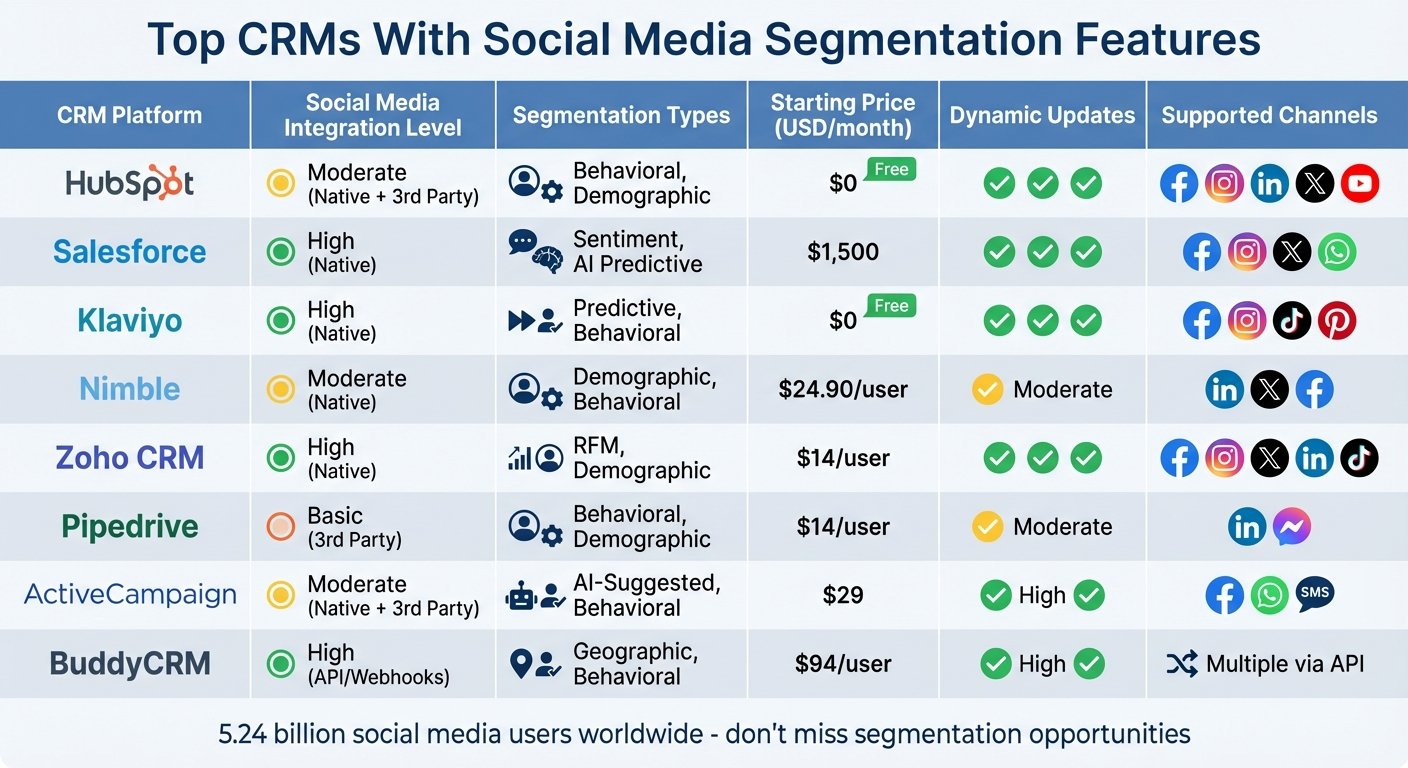
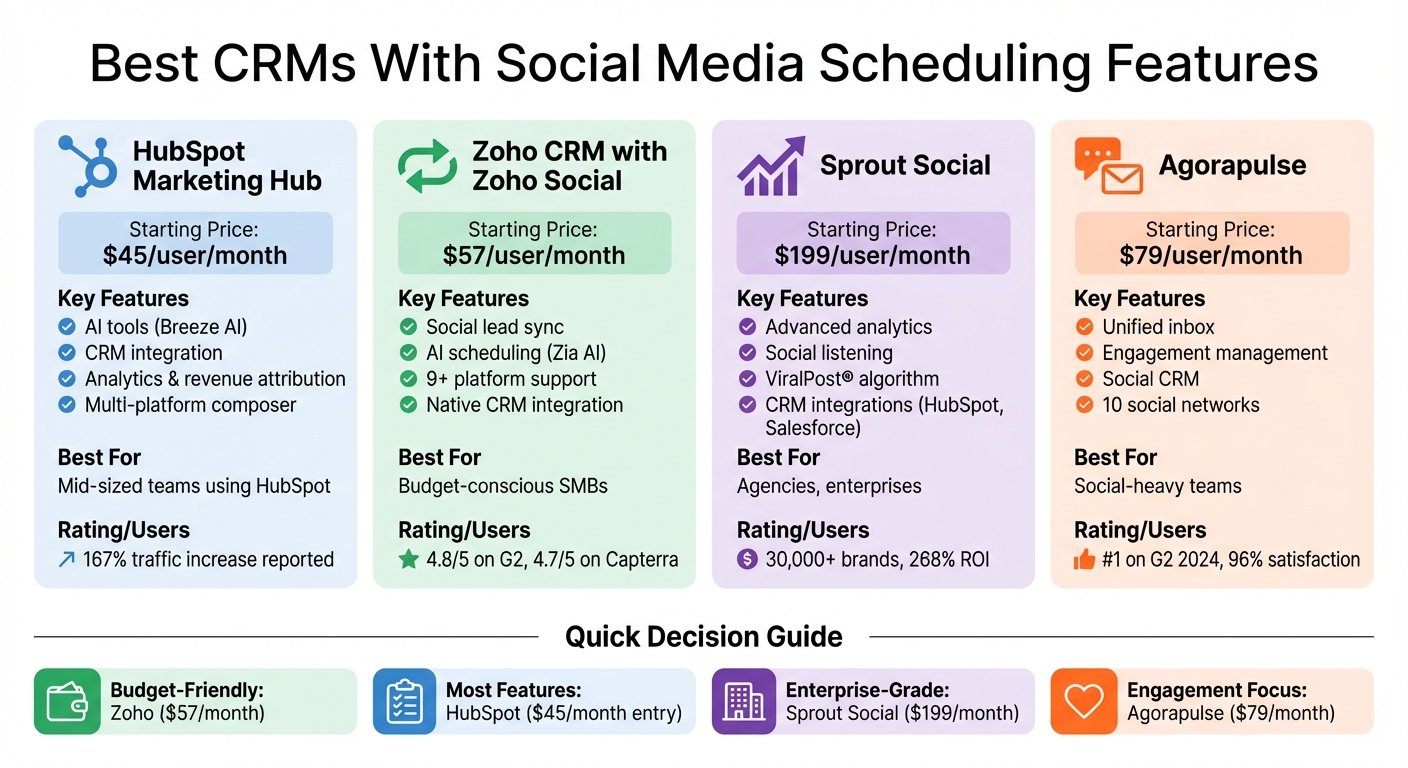
- A full CRM. If these relationships genuinely feed revenue, Pipedrive or HubSpot will do it — see our guide to the best CRM software for small businesses for the comparison.
The trade-off is honest and worth stating: a system you do not maintain is worse than no system, because it gives you false confidence that you are on top of a relationship you have in fact ignored for eleven months. If you will not spend ten minutes a week on it, use the single table.
The Return, and How to Judge It
When networking is driven by purpose, the benefits are real: better decisions from hearing how peers are actually acting, stronger partnerships built on shared context, faster insight than reading produces, and the effect of spending time around people who raise your standards.
Be careful about measuring it in revenue, though. Attribution for relationship-driven business is genuinely unreliable, and any number you produce will be a story you told yourself. Leading indicators are more honest: how many conversations turned into a second conversation, how many introductions you made rather than received, and how many decisions you changed because of something someone told you. If none of those move over six months, the format is wrong or the questions were.
Frequently Asked Questions
How much time should this take?
Less than most people fear, if it is structured. A realistic commitment is one substantive event a month plus ten minutes a week on follow-up and record-keeping. Volume without follow-up is the expensive version.
Are paid peer groups and curated roundtables worth it?
Sometimes, and the deciding factor is the quality of the matching rather than the price. Before committing, ask who else will be in the room, how members are selected, and who is paying for the event. If the answer to the last question is vague, treat it as a sales meeting with good food.
What if I am not an executive?
The mechanics are identical and arguably matter more, because you have less inbound. Clear intent, shared context, and follow-through work at any level; the only difference is that you will build the room yourself rather than being invited into one.
Looking Ahead: The Network as Strategy
Purpose-driven networking is a signal of how leadership is changing. Leaders are no longer just managing companies; they are navigating ecosystems, and who they are surrounded by is part of that.
The useful version of the question is not “am I networking enough?” but “can I name what I wanted from the last three rooms I sat in, and whether I got it?”
More on this topic
Browse all 44 articles on Marketing & Growth, or jump straight to our buying guide: Best Marketing and CRM Tools for Small Businesses.